US inflation hits 3.8% as gas, grocery prices surge in April 2025
Synopsis
US inflation hit 3.8 per cent annually in April 2025 — the fastest pace since 2023 — driven by a 28.4 per cent jump in gasoline prices tied to Middle East conflict and Strait of Hormuz disruptions. With real wages now falling and shelter costs still climbing, American households are facing a cost-of-living squeeze that is eroding purchasing power faster than paycheques can keep up.
Key Takeaways
The US Consumer Price Index rose 3.8 per cent year-on-year through April 2025 — the highest annual rate since 2023.
Monthly inflation climbed 0.6 per cent in April; energy accounted for over 40 per cent of that monthly increase.
Gasoline prices surged 28.4 per cent year-on-year; national average now exceeds $4.50 per gallon .
Grocery inflation (food at home index) rose 0.7 per cent in April, with beef, coffee, fruits, and vegetables all posting increases.
Real average hourly earnings fell 0.5 per cent month-on-month and were down 0.3 per cent year-on-year, shrinking household purchasing power.
Economists link the energy spike to Middle East conflict and disruptions to oil flows through the Strait of Hormuz .
US inflation accelerated to 3.8 per cent over the 12 months ending April 2025 — the fastest annual rate since 2023 — as surging energy costs and rising grocery prices squeezed American households, according to data from the US Bureau of Labor Statistics (BLS). Monthly inflation climbed 0.6 per cent in April alone, with energy accounting for more than 40 per cent of that monthly increase.
Energy Costs Drive the Surge
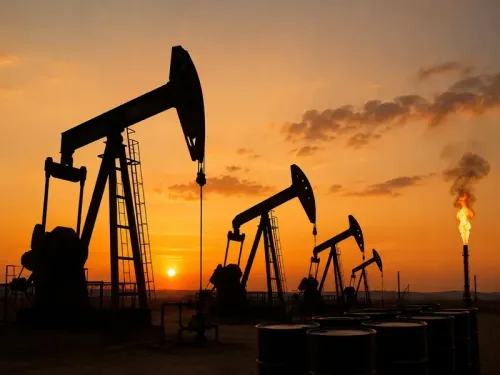
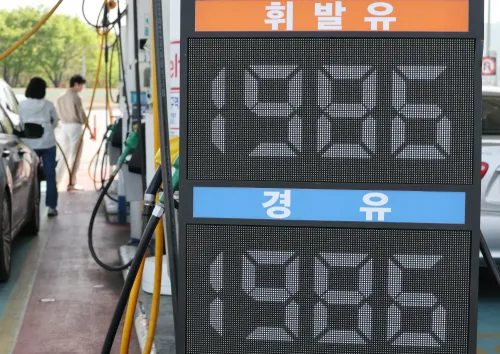
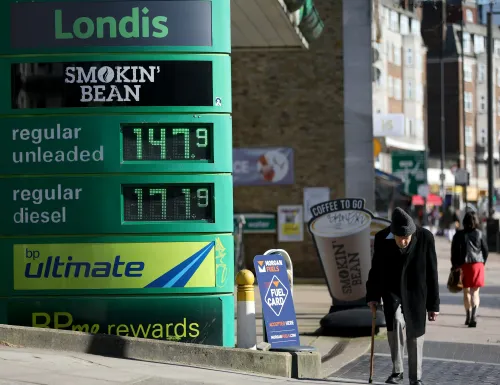
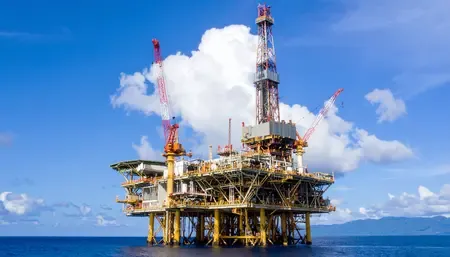
The energy index rose 17.9 per cent over the 12 months ending April, with gasoline prices jumping 28.4 per cent in the same period, according to the BLS. Average national gasoline prices have climbed above $4.50 per gallon, according to the American Automobile Association.
Economists point to geopolitical conflict in the Middle East and disruptions to oil shipments through the Strait of Hormuz — one of the world's most critical energy corridors — as the primary drivers. Higher fuel costs ripple through the broader economy, pushing up transportation expenses that ultimately raise prices for groceries, shipping, and air travel.
Food Prices Add to Household Pressure
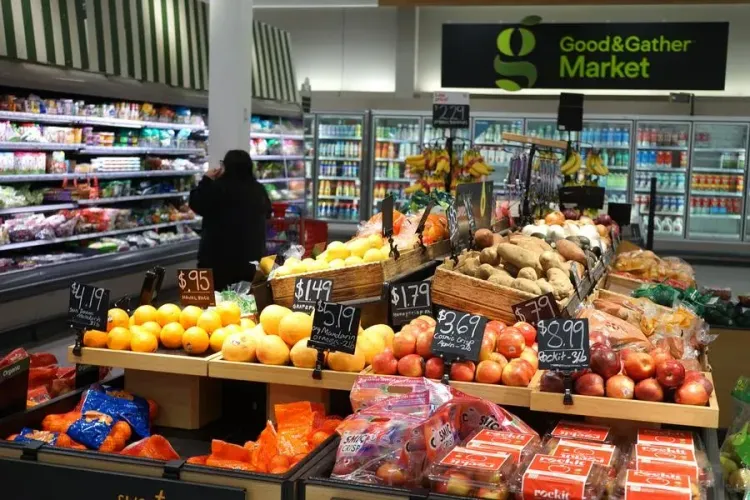
The BLS index for food at home — a measure of grocery inflation — rose 0.7 per cent in April alone. Beef, coffee, fruits, and vegetables all recorded noticeable increases. For lower- and middle-income households, which allocate a larger share of income to groceries, even modest price rises can significantly strain budgets and force cutbacks in everyday spending.
'Everything costs more now,' said Maxi Baker, a Glendale resident and mother of two. 'Food, gas, clothes, rent, you name it, it's going up.' The sentiment was echoed by Denise Cohn, a retail shop employee in Los Angeles: 'Everything's more expensive, so money doesn't stretch as far. I don't know how I'm going to make up the shortfall.'
Shelter Costs Continue to Climb
Shelter, another major inflation component, offered little relief. Both the index for owners' equivalent rent and the index for rent rose 0.5 per cent in April, according to the BLS, sustaining pressure on households already grappling with higher energy and food bills.
Real Wages Are Falling Behind
Perhaps the most alarming signal for consumers is that inflation has begun to outpace earnings. Real average hourly earnings fell 0.5 per cent from March to April and were down 0.3 per cent compared with April 2024, the BLS reported. That means purchasing power is shrinking even as nominal pay rises.
Economists warn that when wages consistently lag prices, households typically respond by cutting discretionary spending, increasing credit card use, or deferring major purchases — patterns that can weigh on broader economic growth. This is the second consecutive month in which real wage growth has turned negative, reinforcing concerns that the inflation rebound is not transitory.
Point of View
Which in turn tax every link in the supply chain. What makes this cycle particularly damaging is the wage-price scissors: nominal pay is rising, but real earnings are falling for the second straight month. That is the definition of a cost-of-living crisis, not a temporary blip. The Fed's credibility is again on the line — having declared inflation 'on a path to 2 per cent' as recently as early 2025, it now faces a resurgence it cannot easily attribute to domestic demand. Rate cuts, which markets had been pricing in, look increasingly difficult to justify, and the political fallout — with consumers openly describing financial distress — will intensify pressure on the administration heading into the next electoral cycle.
NationPress
21 Sept 2026
Frequently Asked Questions
What is the current US inflation rate as of April 2025?
The US Consumer Price Index rose 3.8 per cent over the 12 months ending April 2025, the fastest annual rate since 2023, according to the Bureau of Labor Statistics. Monthly inflation was 0.6 per cent in April.
Why are gas prices so high in the US right now?
Gasoline prices have surged 28.4 per cent year-on-year, with the national average exceeding $4.50 per gallon, according to the American Automobile Association. Economists attribute the spike to geopolitical conflict in the Middle East and disruptions to oil shipments through the Strait of Hormuz.
How are rising prices affecting American workers?
Real average hourly earnings fell 0.5 per cent from March to April 2025 and were down 0.3 per cent compared with April 2024, according to the BLS. This means that despite nominal pay increases, workers' purchasing power is effectively shrinking.
Which everyday items have become more expensive?
Groceries, gasoline, rent, and clothing have all risen in price. The food-at-home index climbed 0.7 per cent in April alone, with beef, coffee, fruits, and vegetables recording noticeable increases. Shelter costs also rose 0.5 per cent in April.
How does energy inflation affect the broader US economy?
Energy prices feed into the cost of nearly every consumer good because transportation underpins the entire supply chain. When trucking and shipping costs rise, supermarkets and retailers typically pass those increases on to customers, amplifying the inflationary impact well beyond the fuel pump.