US Military Reinforcements Head to Middle East Amid Rising Tensions
Synopsis
Amid escalating tensions in the Strait of Hormuz due to Iranian attacks, the Pentagon is deploying additional Marines and warships to the Middle East. This strategic move aims to bolster US military presence in a vital maritime corridor critical for global energy shipments.
Key Takeaways
The Pentagon is deploying additional Marines and warships to the Middle East.
This move is a response to Iranian attacks in the Strait of Hormuz.
About 2,500 Marines and sailors will be involved in the deployment.
The USS Tripoli is currently stationed in Japan and will take time to arrive in the region.
The Strait of Hormuz is a critical route for global oil supply.
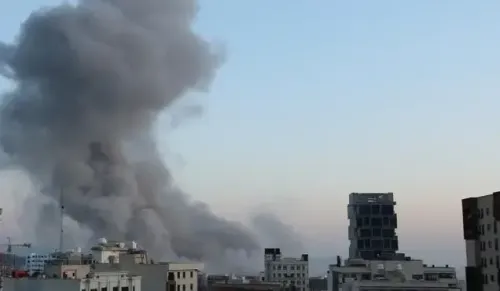
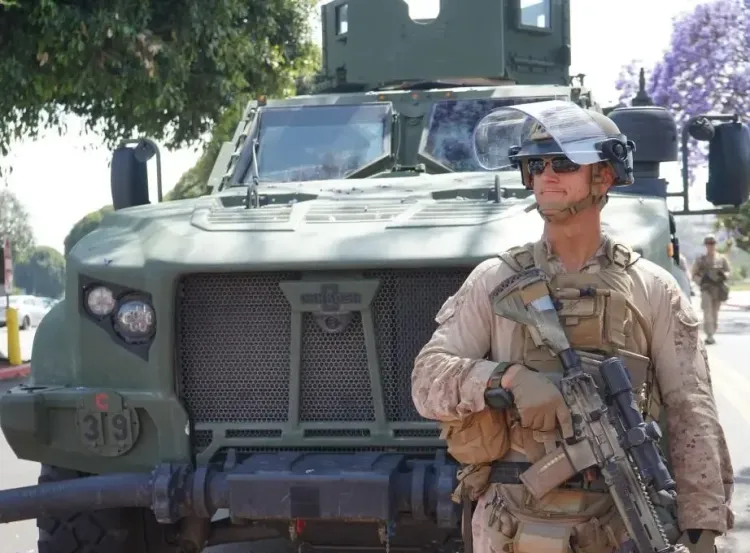
Washington, March 14 (NationPress) The Pentagon is mobilizing more Marines and warships to the Middle East in response to escalating tensions in the Strait of Hormuz, following a series of Iranian attacks on maritime activities and regional targets, according to reports from unnamed US officials.
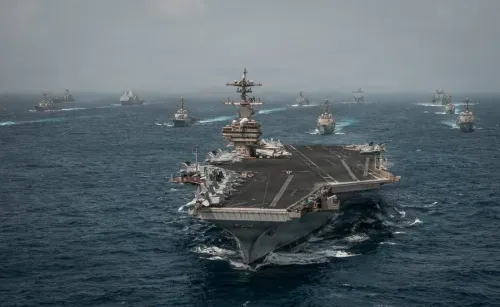
As reported by Fox News, the amphibious assault ship USS Tripoli, along with a Marine Amphibious Ready Group and the 31st Marine Expeditionary Unit, is being deployed to the region.
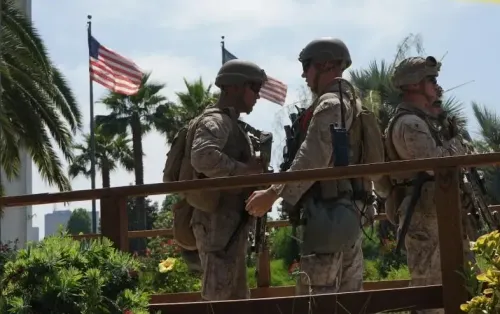
Approximately 2,500 Marines and 2,500 sailors are anticipated to be involved in the deployment, as cited by a US defense official.
The USS Tripoli, currently located in Japan, is expected to take about one to two weeks to arrive in the Middle East and join other American military resources already in place, the report noted.
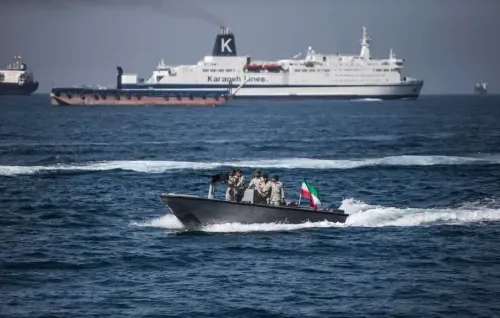
This strategic move comes amid Iran's ongoing threats to maritime traffic in the Strait of Hormuz and its recent attacks on neighboring Gulf nations, raising alarms about the safety of global shipping routes.
The New York Times also indicated that around 2,500 Marines aboard potentially three warships are making their way from the Indo-Pacific region to the Middle East, as Iranian hostilities increase in the Strait of Hormuz. This deployment aims to bolster US forces already present in the area.
Reports suggest that these Marines will integrate with more than 50,000 American troops already stationed throughout the Middle East.
While officials have not disclosed specific plans for the additional forces upon their arrival, a Pentagon spokesperson refrained from commenting on operational details.
“Due to operational security, we do not discuss future or hypothetical movements,” the Pentagon spokesperson conveyed to IANS.
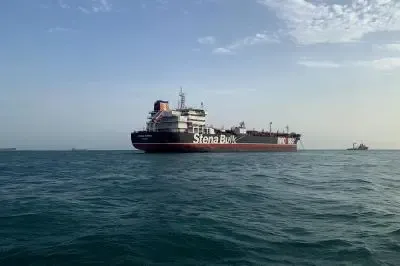
The Strait of Hormuz is recognized as one of the world’s most crucial maritime passages, linking the Persian Gulf with the Arabian Sea, and serves as a vital corridor for global energy shipments.
Industry estimates suggest that approximately one-fifth of the world’s oil supply traverses this narrow waterway aboard large tanker vessels. Any disruption in this strait can lead to immediate fluctuations in global oil prices and energy markets.
US officials have hinted that American naval forces may escort merchant vessels through the strait should attacks against commercial shipping escalate, a strategy previously employed by the US Navy during heightened tensions with Iran in the late 1980s.
Point of View
The US military has decided to bolster its presence in the Middle East. This deployment reflects the seriousness of the situation and the importance of safeguarding global maritime routes. While operational specifics remain undisclosed, the move indicates a commitment to regional stability.
NationPress
17 Sept 2026
Frequently Asked Questions
What prompted the US to send additional troops to the Middle East?
The deployment is in response to increasing tensions in the Strait of Hormuz following Iranian attacks on maritime traffic and regional targets.
How many Marines and sailors are being deployed?
Approximately 2,500 Marines and 2,500 sailors are expected to be part of the deployment to the Middle East.
What is the significance of the Strait of Hormuz?
The Strait of Hormuz is a critical maritime route, with about one-fifth of the world's oil supply passing through it, making it vital for global energy shipments.
What role will the USS Tripoli play in this deployment?
The USS Tripoli, an amphibious assault ship, will lead the deployment along with a Marine Amphibious Ready Group to reinforce US military capabilities in the region.
Could US naval forces escort merchant vessels in the Strait?
Yes, US officials have indicated that naval forces may escort merchant vessels if attacks on commercial shipping intensify.