USCIRF Calls for Redesignation of Pakistan as CPC Due to Religious Freedom Violations
Synopsis
The USCIRF has urged the US government to redesignate Pakistan as a 'Country of Particular Concern' due to alarming violations of religious freedom. This call for action includes sanctions against officials and a push for reforms to protect religious minorities.
Key Takeaways
USCIRF urges US to redesignate Pakistan as CPC.
Calls for action against Pakistani officials violating religious freedom.
Recommendations include sanctions and binding agreements.
Religious freedom conditions in Pakistan are deteriorating.
Incidents of violence against religious minorities continue to rise.
Washington, March 8 (NationPress) The US Commission on International Religious Freedom (USCIRF) has called upon the US government to reclassify Pakistan as a "Country of Particular Concern" (CPC) due to the persistent, systemic, and severe breaches of religious freedom.
In its 2026 Annual Report, this federal oversight body suggested that the US administration should revoke the current waiver for Pakistan or refrain from issuing a new one, thereby obligating the government to take action as mandated by the CPC designation. Moreover, USCIRF advocated for the imposition of targeted sanctions against Pakistani officials and government entities implicated in grave violations of religious freedom, including asset freezes and travel bans to the United States under human rights laws.
Additionally, the commission urged the US to establish a binding agreement with Pakistan under the International Religious Freedom Act (IRFA) to promote measures addressing violations of freedom of religion or belief (FoRB), such as the release of individuals incarcerated under blasphemy laws, the repeal of blasphemy and anti-Ahmadiyya regulations, and reforms that would make blasphemy offenses bailable. This includes requiring evidence from accusers, conducting thorough investigations by senior police officials, allowing the dismissal of unfounded claims, and enforcing existing penal code articles against perjury and false allegations, while holding accountable those who incite or engage in vigilante violence, targeted killings, forced conversions, and other religion-based crimes.
In the report, USCIRF remarked: "The US Congress should integrate religious freedom issues into its broader oversight of the US-Pakistan relationship through hearings, letters, resolutions, and congressional delegations, while advocating for the release of FoRB prisoners in Pakistan."
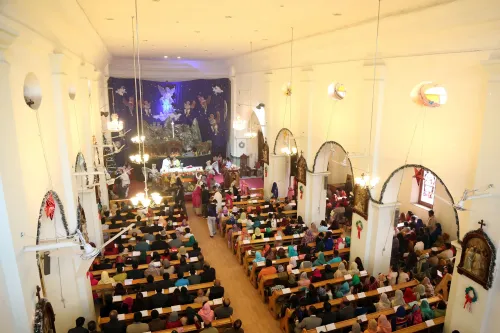
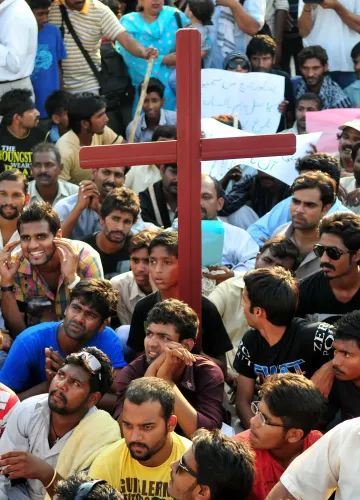
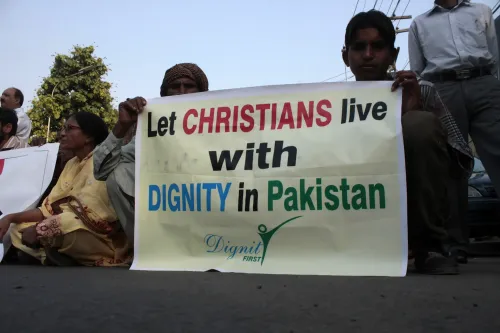
In 2025, the situation regarding religious freedom in Pakistan continued to deteriorate. The government maintained its enforcement of stringent blasphemy laws, affecting individuals of various faiths, including minorities. An increase in vigilante attacks and mob violence aimed at religious minorities, particularly Ahmadiyya Muslims and Christians, has fostered a heightened atmosphere of fear and intolerance.
Authorities continued to exploit the blasphemy law, including its death penalty clause, to penalize individuals perceived to have insulted Islam. In January, four individuals were sentenced to death for allegedly sharing blasphemous content on social media. That same month, a mentally unstable Christian man, Farhan Masih, was detained on charges of blasphemy and terrorism. Although he was acquitted, Masih could not return to his village due to safety concerns. In February, another man received a death sentence after being accused of 'insulting religious sentiment' by a member of Tehreek-e-Labbaik Pakistan (TLP).
Violent acts against religious minorities were carried out with impunity, sometimes under claims of forced conversions in Pakistan. Last September, Christian pastor Kamran Naz was attacked by two gunmen while en route to a church service in Islamabad. The pastor had previously faced death threats and was accused of "proselytizing among Afghan refugees".
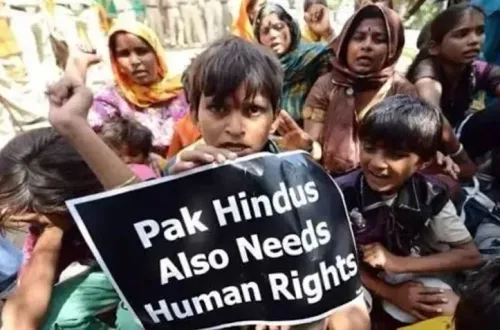
Reports continued to surface about the forced conversions of Hindu and Christian girls in the Punjab and Sindh provinces in 2025. In February, a 12-year-old Christian girl was allegedly forcibly converted to Islam and married to a 35-year-old man in Sindh Province.
In July of last year, the Sindh Human Rights Commission expressed concern regarding the purported kidnapping and forced conversion of a 15-year-old Hindu girl, Shahneela, in Matli. According to a police report, her uncle stated that two gunmen forcibly entered their home and abducted her. Moreover, authorities in Pakistan have consistently imposed restrictions on the Ahmadiyya community's ability to practice their faith and have permitted assaults against Ahmadiyya mosques.
Point of View
It's clear that the USCIRF's call for the US government to take action regarding Pakistan's designation as a CPC reflects a significant concern for human rights and religious freedoms. The ongoing issues faced by religious minorities in Pakistan demand attention and accountability from both local and international governments.
NationPress
3 Oct 2026
Frequently Asked Questions
What is USCIRF's recommendation for Pakistan?
USCIRF recommends redesignating Pakistan as a 'Country of Particular Concern' due to severe violations of religious freedom.
What actions does USCIRF propose against Pakistan?
They propose lifting the existing waiver for Pakistan, imposing targeted sanctions on officials, and entering into a binding agreement under the IRFA.
What are the conditions for religious freedom in Pakistan?
The conditions remain troubling, with ongoing enforcement of strict blasphemy laws and increasing violence against religious minorities.
What specific incidents have been reported regarding religious minorities?
Reports include forced conversions of underage girls and violent attacks against Christians and Ahmadiyya Muslims.
What role does the US Congress have in this issue?
US Congress is urged to incorporate religious freedom into its oversight of US-Pakistan relations and advocate for the release of FoRB prisoners.