JD Vance blames Iran war for Republican midterm defeat in 2026
Synopsis
In a strikingly blunt post-election post on X, Vice President JD Vance pinned the Republican midterm wipeout squarely on the Iran war — not turnout, not messaging. His admission that 2024 Trump voters crossed over to Democrats in protest of the conflict, inflation, and Israel policy is a rare public fracture within the administration and could define the GOP's internal battle for the next two years.
Key Takeaways
JD Vance said the Iran war was the primary cause of Republican losses in the 4 November 2026 midterm elections.
Vance wrote that many voters who backed Trump-Vance in 2024 switched to Democrats in 2026 over the war, inflation, and Israel policy.
A pollster warned before the vote that Republicans could lose the national generic congressional ballot by 13 percentage points .
Democrats won control of both the Senate and House of Representatives , flipping seats in North Carolina, Texas, Ohio, Kansas , and South Carolina .
President Trump also cited Iran as a factor in the losses but defended the military campaign.
Vance rejected amnesty as a response to the defeat and urged Republicans to focus on future elections.
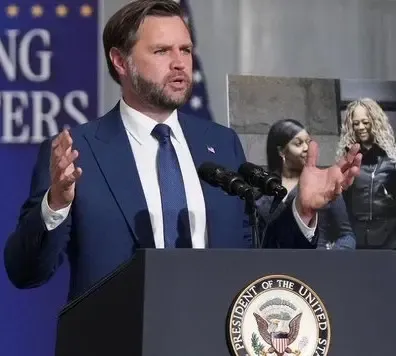
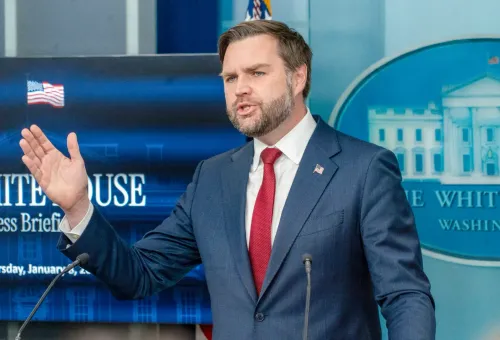
US Vice President JD Vance said on Wednesday, 4 November 2026, that the ongoing war with Iran was the primary reason the Republican Party lost control of both chambers of Congress in Tuesday's midterm elections, arguing that millions of voters who backed the Trump-Vance ticket in 2024 crossed over to vote for Democrats despite turning out at the polls.
Vance's Post-Election Assessment
In a lengthy post on X, Vance offered an unusually candid diagnosis of Tuesday's defeat, saying internal Republican data had initially suggested that the party's base was voting in sufficient numbers to avoid a sweeping setback. The Vice President noted that analysts had closely tracked the 'composition' of the electorate, comparing it against the coalition that delivered the 2024 presidential victory. In some states, turnout appeared ordinary; in others, he said, it was exceptionally strong.
But a data analyst — unnamed in his post — had reportedly cautioned that strong turnout would not necessarily translate into Republican votes. Vance recalled being told: 'Our voters are turning out, but they may not vote for us.'
The Four Reasons Voters Switched
'But the main problem is not turnout. The main problem is that many people who voted for Trump/Vance in 2024 voted for Democrats in 2026,' Vance wrote.
Vance said a pollster he described as credible had warned him before the election that Republicans could lose the national generic congressional ballot by as many as 13 percentage points. That pollster, he said, asked disaffected 2024 Trump voters what would bring them back. According to Vance, the four leading responses were: ending the war, addressing the cost of living and inflation, putting America first, and changing Washington's relationship with Israel. 'Our voters showed up. And the above four reasons are why many of them voted for Democrats,' he said. Vance did not identify the pollster or disclose the survey's sample size, fieldwork dates, or other methodological details.
Trump Echoes the Diagnosis
President Donald Trump told Fox News after the election that Iran was partly responsible for Republican losses, though he defended the decision to go to war. In a separate interview with The Wall Street Journal, Trump described Iran as one element of the outcome and said he did not regret the military campaign. The US-Israeli war with Iran began in February and has since disrupted regional shipping and energy markets, with high fuel prices and elevated household costs becoming defining issues on the campaign trail.
Vance challenged supporters of the conflict to acknowledge its political cost, arguing that losing Senate seats for six years was a consequence that war advocates should be prepared to defend publicly.
Warning Against Internal Blame-Shifting
Vance also pushed back against attempts within the Republican Party to attribute the result to immigration policy or to propose amnesty for people living in the country without legal status. He said he was open to adjusting enforcement — including greater scrutiny of employers who hire workers unlawfully — but firmly rejected amnesty as a response to the election outcome.
Acknowledging that internal disagreements were inevitable, Vance urged disappointed Republicans to channel their frustration into future electoral contests rather than abandon the party.
Scale of the Democratic Victory
Democrats won control of both the Senate and the House of Representatives in Tuesday's midterms, according to CBS News projections. Their Senate gains included victories in North Carolina, Texas, Ohio, Kansas, and South Carolina — reversing Republican control of the chamber. The elections were held midway through Trump's second four-year term, making Tuesday's outcome a significant check on the administration's political standing.
Whether the Republican Party can recalibrate its foreign policy positioning before the 2028 presidential cycle will now become the central question shaping its path back to congressional majorities.
Point of View
Analysts flagging voter defection before a single result was called. That the Vice President chose to publish this publicly, before the party has even begun its post-mortem, signals either a sincere push to course-correct on foreign policy or a calculated positioning ahead of 2028. The four reasons Vance lists — end the war, cut the cost of living, put America first, change the Israel relationship — are a pointed rebuke of core administration decisions, not just campaign tactics. If Trump's own base is punishing the party for a war the president still defends, the Republican coalition is under structural stress that message discipline alone cannot fix.
NationPress
4 Nov 2026
Frequently Asked Questions
Why does JD Vance say Republicans lost the 2026 midterm elections?
Vance said the Iran war was the main reason Republicans lost, arguing that voters who had supported Trump and Vance in 2024 switched to Democrats in 2026 over four key grievances: ending the war, addressing inflation and the cost of living, putting America first, and changing Washington's relationship with Israel.
What were the results of the 2026 US midterm elections?
Democrats won control of both the Senate and the House of Representatives, according to CBS News projections. Senate pickups included North Carolina, Texas, Ohio, Kansas, and South Carolina, reversing Republican control of that chamber.
Did President Trump agree with Vance's assessment?
Trump told Fox News that Iran was partly responsible for Republican losses, though he defended the decision to go to war. In a Wall Street Journal interview, he described Iran as one factor in the outcome and said he had no regrets about the military campaign.
What did Vance say about immigration policy and amnesty after the defeat?
Vance rejected amnesty as a response to the election outcome, warning against attempts to blame the result on immigration policy. He said he was open to adjusting enforcement — including greater scrutiny of employers hiring workers without legal status — but drew a firm line at any path to amnesty.
When did the US-Israeli war with Iran begin, and how has it affected American voters?
The US-Israeli war with Iran began in February, disrupting regional shipping and energy markets. High fuel prices and elevated household costs became central campaign issues across the United States, feeding the voter discontent that Vance identified as driving Republican losses.