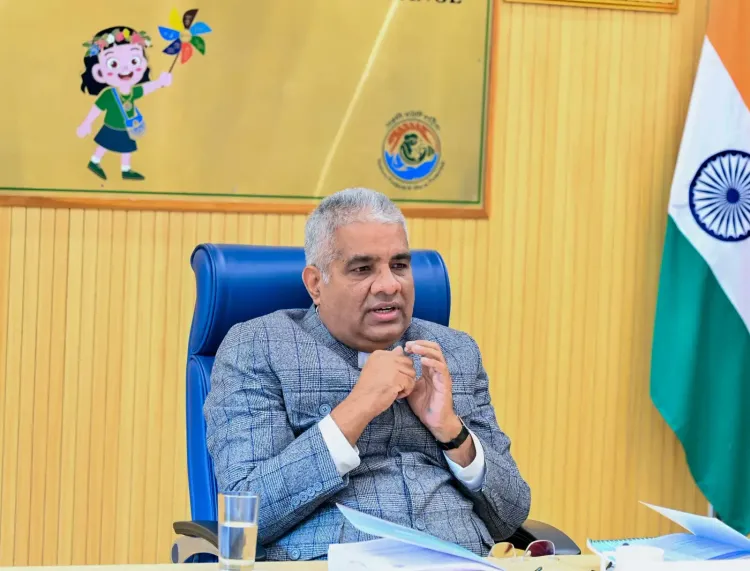
Wildlife clearance: Bhupender Yadav chairs review of 133 proposals
Synopsis
A wildlife board committee considered 133 proposals involving roads, defence infrastructure and drinking water as Bhupender Yadav highlighted the role of frontline staff and local communities. The source did not specify how many projects received clearance.
Key Takeaways
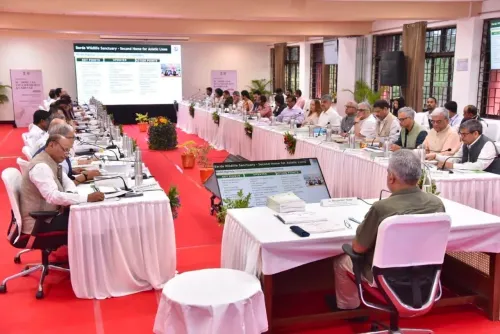
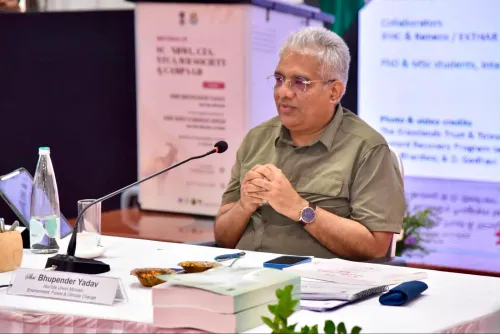
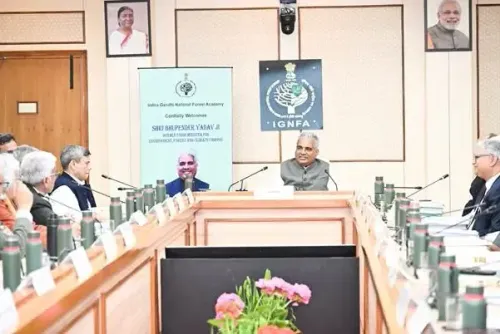
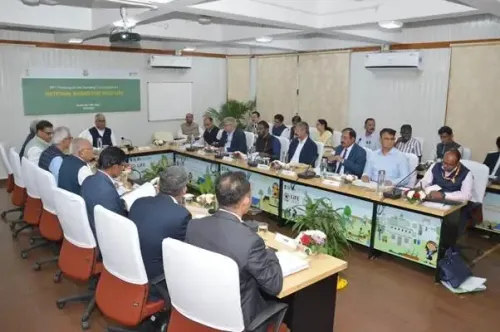
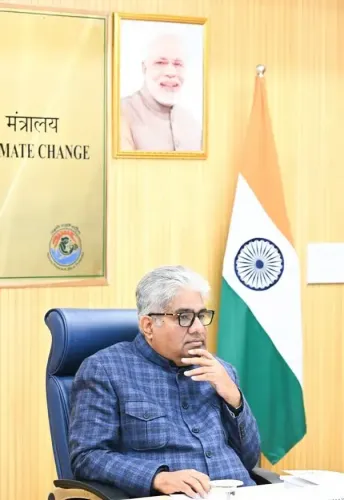
Union Minister Bhupender Yadav chaired the 92nd wildlife board standing committee meeting in Delhi on 23 November .
The committee considered 133 proposals involving activities including roads, defence infrastructure and drinking water supply.
Yadav highlighted frontline staff and local communities as central to India's wildlife conservation efforts.
The committee considered the Wildlife Week 2026 report, including tiger reintroduction in Buxa Tiger Reserve and Great Indian Bustard releases in Rajasthan .
Nameri Tiger Reserve in Assam received Conservation Assured | Tiger Standards accreditation, according to the official statement.
Scientists presented work on marine protected areas, turtles, dugongs and the effects of linear infrastructure on wildlife.
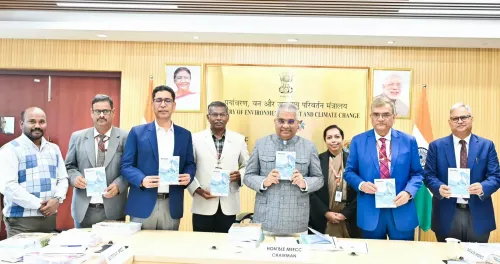
Wildlife clearance proposals for 133 projects across India were considered at a meeting chaired by Union Minister for Environment, Forest and Climate Change Bhupender Yadav in Delhi on 23 November. Yadav also recognised exemplary conservation work and described frontline staff and local communities as the backbone of the country's wildlife conservation efforts.
The 92nd meeting of the Standing Committee of the National Board for Wildlife (SC-NBWL) covered proposals involving roads, defence infrastructure, drinking water supply and other essential development works. The source statement did not specify which proposals received clearance.
How the wildlife proposals were assessed
The proposals require wildlife clearance under the Wild Life (Protection) Act, 1972. According to an official statement, the committee appraised them for ecological impact, public welfare and national development, as well as the adequacy of measures intended to reduce harm to wildlife and habitats.
The statement said the assessment also took account of the target of green growth. The range of proposals brings conservation considerations into decisions affecting infrastructure and services across the country, although the individual projects and their outcomes were not detailed in the source.
The distinction between considering a proposal and granting clearance is significant for communities, project planners and conservation managers. The information provided on the meeting does not establish how many of the 133 proposals were approved, deferred or rejected.
Wildlife Week initiatives and local participation
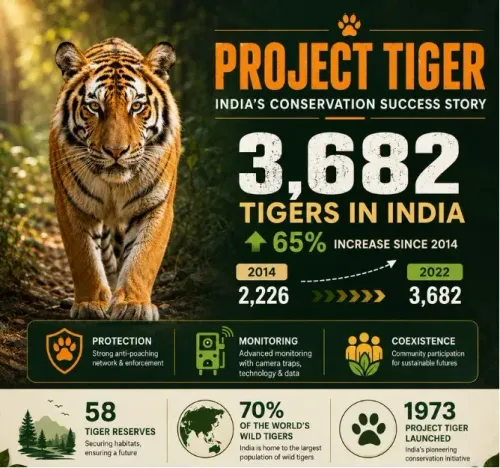
The committee considered a report on Wildlife Week 2026, held under the theme ‘Connecting Habitats, Thriving Wildlife’. Yadav highlighted initiatives including tiger reintroduction in Buxa Tiger Reserve in West Bengal and the release of Great Indian Bustards in Rajasthan, the statement said.
He also pointed to the expansion of Project Cheetah to a third site. According to the statement, these initiatives reflected the government's focus on tangible, science-based conservation outcomes on the ground.
The statement said Nameri Tiger Reserve in Assam had been accredited under Conservation Assured | Tiger Standards (CA|TS). Yadav's recognition of conservation work placed the contribution of frontline personnel and local communities alongside these initiatives.
Marine conservation and infrastructure impacts
The 92nd meeting was themed around marine conservation. Scientists from the Wildlife Institute of India presented work on management effectiveness evaluation of coastal and marine protected areas, and on the pan-India assessment and monitoring of marine turtles.
They also presented milestones in the recovery of dugongs and their habitats in India during 2016–2026, alongside work on mitigating the impacts of linear infrastructure on wildlife. The statement said the presentations covered conservation status and achievements, particularly for marine protected areas, turtles and dugongs.
The infrastructure presentation addressed the consequences for wildlife and the need to equip a broad range of stakeholders, according to the statement. These included infrastructure planners and builders, environmental consultants, wildlife managers, regulators, policymakers and analysts.
Further details on the individual proposals and their clearance decisions would clarify how the committee's assessment is reflected in the projects considered.
Frequently Asked Questions
What did the wildlife board committee consider in Delhi?
The committee considered 133 proposals involving activities such as roads, defence infrastructure and drinking water supply. Union Minister Bhupender Yadav chaired the meeting on 23 November.
Were all 133 wildlife clearance proposals approved?
The source does not specify how many of the 133 proposals were approved, deferred or rejected. It says the proposals were considered and appraised.
Why did Bhupender Yadav highlight local communities?
Yadav described local communities and frontline staff as the backbone of India's wildlife conservation efforts. He also recognised exemplary conservation work at the meeting.
Which conservation initiatives were highlighted during the meeting?
Yadav highlighted tiger reintroduction in Buxa Tiger Reserve, Great Indian Bustard releases in Rajasthan and Project Cheetah's expansion to a third site. The committee also considered the Wildlife Week 2026 report.
What marine conservation issues were discussed?
Scientists presented work on marine protected areas, marine turtles and the recovery of dugongs and their habitats. The meeting's theme was marine conservation.