BRICS economies drive global growth: Experts back PM Modi's assessment
Synopsis
BRICS nations now command nearly $33 trillion in GDP — 27% of the global economy — and experts say PM Modi's emphasis on the bloc's growth significance is well-founded. With a $1 trillion intra-BRICS investment target on the table and trade disruptions pushing members closer, the grouping's economic weight is no longer aspirational; it's structural.
Key Takeaways
Experts endorsed PM Modi's assessment that BRICS economies are a major driver of global growth.
BRICS nations account for nearly $33 trillion in GDP — about 27% of the global economy.
On a PPP basis, BRICS and allied economies are valued at approximately $82 trillion , reportedly exceeding the G20 .
Former Commerce Secretary Ajay Dua cautioned that manufacturing self-reliance remains 'sectoral and not across the board.' iBRICS has set a target to facilitate $1 trillion in investments into the BRICS economy.
UN spokesperson Stephane Dujarric stressed 'intense multilateralism' as essential for lowering global tensions.
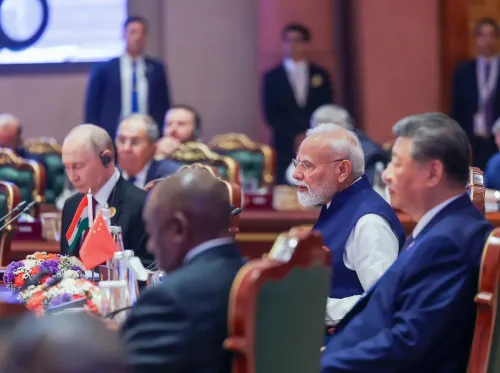
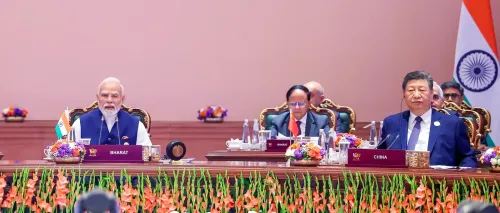
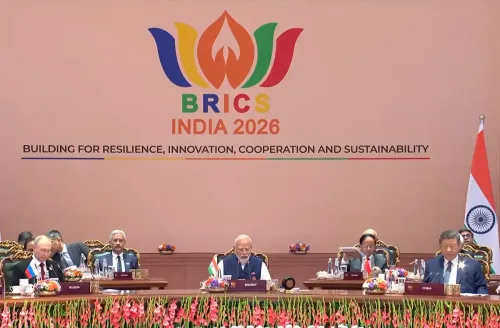
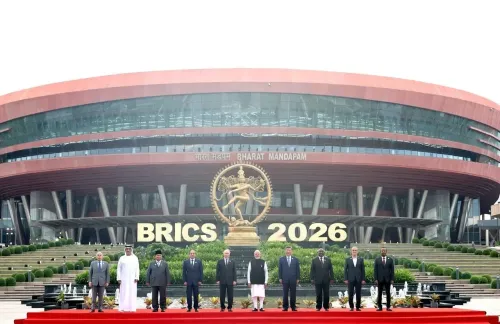
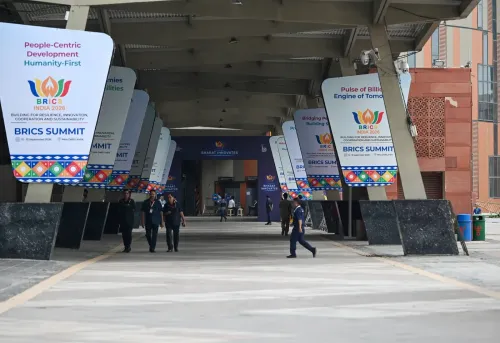
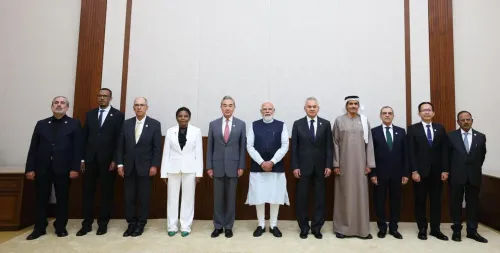
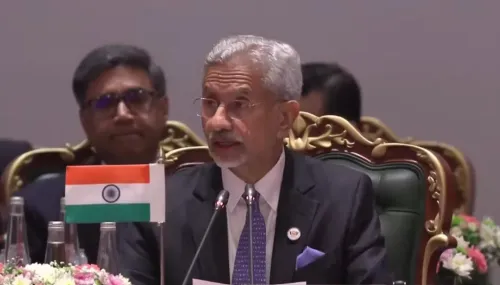
Experts on Saturday endorsed Prime Minister Narendra Modi's remarks on the growing significance of BRICS economies, asserting that the bloc has emerged as a major engine of global growth with substantial potential to deepen trade, investment, and multilateral cooperation. The endorsement comes ahead of intensified engagement among BRICS member states on trade and bilateral commerce.
Former Commerce Secretary backs Modi's stance
Former Commerce Secretary Ajay Dua said the Prime Minister's assessment was 'absolutely correct,' noting that while the global economy has expanded at an average rate of roughly 3.5 per cent annually over the past decade, BRICS nations — particularly India and China — have recorded significantly higher growth rates.
'I think what the Prime Minister Narendra Modi has said is absolutely correct. While the world has grown at about three-and-a-half per cent annually in the last ten years or so, the average of the BRICS countries, particularly India, has been very much higher,' Dua said.
However, he cautioned that achieving greater economic self-reliance remains a complex challenge for individual nations. 'If you talk about individual countries becoming more self-reliant, that is always more difficult. We have experienced ourselves that for Make in India or Indian self-sufficiency, particularly in manufacturing, the progress has been sectoral and not across the board,' he added.
BRICS economic weight in numbers
Lakshmi Narayanan, Chairman of SWFI, highlighted the grouping's expanding economic footprint. According to Narayanan, BRICS economies together account for nearly $33 trillion in GDP — approximately 27 per cent of the global economy. On a purchasing power parity (PPP) basis, the combined economic strength of BRICS and allied nations is estimated at about $82 trillion, reportedly exceeding that of the G20.
Narayanan said trade and commerce are expected to dominate upcoming BRICS discussions, especially as member countries have been affected by global trade disruptions. 'The core focus will be on trade and commerce and bilateral trade because all the BRICS countries have been impacted. That, I expect, will be one of the key outcomes,' he said.
Trillion-dollar investment ambition
From the iBRICS perspective, Narayanan outlined a target of facilitating investments worth $1 trillion into the BRICS economy to support development and strengthen economic cooperation among member nations. This comes amid heightened global uncertainty, with trade tensions and tariff escalations disrupting established supply chains — a context that makes intra-BRICS trade corridors increasingly relevant.
UN underscores multilateral cooperation
Stephane Dujarric, spokesperson for the UN Secretary-General, emphasised the importance of constructive engagement among nations. 'From the Secretary-General's point of view, the important thing is intense multilateralism. What we need to see is countries reaching positive deals between regional blocs and between countries, which can help lower tensions that naturally exist at times,' Dujarric said.
He added that BRICS, given its substantial share of the global population and economic output, has an important role to play in promoting dialogue and international cooperation.
Why this matters
The BRICS grouping — comprising Brazil, Russia, India, China, and South Africa, along with newer entrants — has steadily grown in geopolitical and economic significance. Notably, the bloc's share of global GDP on a PPP basis has overtaken that of the G7 in recent years, a shift that underlines the rebalancing of global economic power. Yet challenges persist: intra-BRICS trade as a proportion of each member's total commerce remains modest, and institutional mechanisms for dispute resolution and financial clearing lag behind those of Western-led blocs. Whether the grouping can translate its aggregate size into coordinated economic leverage remains the central question heading into the next summit cycle.
Point of View
And China's economic dominance within the grouping raises questions about whether smaller members gain leverage or merely provide market access. The $1 trillion investment target is ambitious, but without clear financing vehicles and dispute-resolution architecture, it risks remaining a headline aspiration. The real test for India is whether BRICS engagement translates into tangible diversification of trade partners — away from dependence on Western demand — or stays a geopolitical signalling exercise.
NationPress
28 Oct 2026
Frequently Asked Questions
What did PM Modi say about BRICS economies?
Prime Minister Narendra Modi highlighted the growing significance of BRICS economies as drivers of global growth. Experts endorsed his view, noting that BRICS nations — particularly India and China — have consistently outpaced the global average growth rate of about 3.5 per cent annually.
How large is the BRICS economy in global terms?
According to SWFI Chairman Lakshmi Narayanan, BRICS economies together account for approximately $33 trillion in GDP, representing about 27 per cent of the global economy. On a purchasing power parity basis, the figure rises to an estimated $82 trillion.
What is the $1 trillion BRICS investment target?
The iBRICS initiative has set a target to facilitate $1 trillion worth of investments into the BRICS economy. The goal is to support development and strengthen economic cooperation among member nations amid global trade disruptions.
Why did the former Commerce Secretary caution about self-reliance?
Former Commerce Secretary Ajay Dua noted that while BRICS growth numbers are impressive, achieving self-reliance in manufacturing remains a complex challenge. He pointed out that India's own Make in India progress has been sectoral rather than across the board.
What role does the UN see for BRICS?
UN Secretary-General's spokesperson Stephane Dujarric said BRICS has an important role in promoting multilateral dialogue, given its substantial share of global population and economic output. He emphasised that 'intense multilateralism' is needed to lower international tensions.