CEA Nageswaran: Indian economy resilient amid global headwinds, cites strong credit and GST
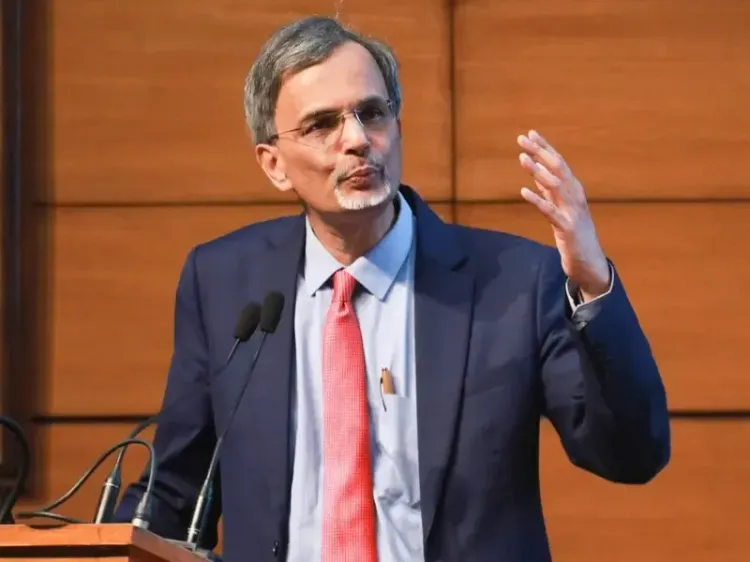
Synopsis
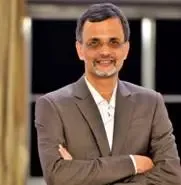
India's Chief Economic Adviser V Anantha Nageswaran has declared the Indian economy more resilient than vulnerable — even as a 10-year US Treasury yield of 5.02% and renewed West Asia conflict stoke global volatility. With a sovereign upgrade to A- and $137 billion mobilised externally, Nageswaran says India enters this turbulence from strength — but warns that policy alone cannot drive the next 25 years of growth.
Key Takeaways
CEA Dr V Anantha Nageswaran said on 15 September that the Indian economy is more likely to be resilient than vulnerable amid current global headwinds.
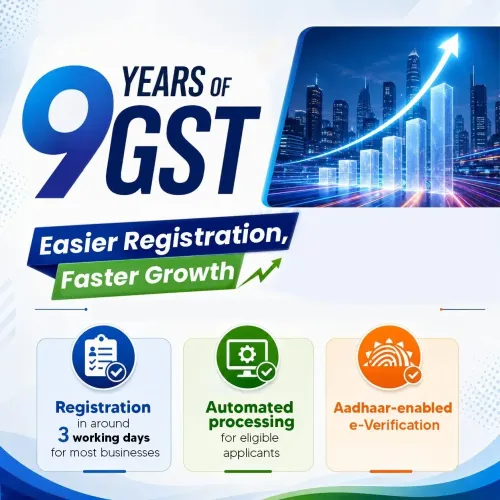
Key strengths cited: strong bank credit growth , robust GST collections , healthy corporate and banking balance sheets, and a sovereign rating upgrade to A- .
India mobilised $137 billion through foreign exchange deposit swaps and external commercial borrowings, signalling external confidence.
Global risks include the 10-year US Treasury yield at 5.02% and renewed hostilities in West Asia , which have reintroduced market volatility.
Nageswaran called on the private sector to invest, hire, compensate fairly, and increase R&D spending, warning that the next 20 years will be structurally different from the post-World War II era.
The government will stay growth-supportive and pursue deregulation , but the CEA stressed that policy cannot be the sole driver of economic progress.
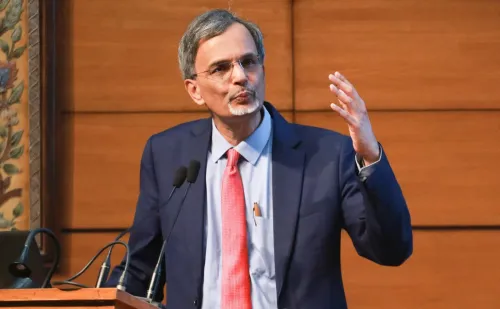
Chief Economic Adviser Dr V Anantha Nageswaran on Tuesday, 15 September said the Indian economy is more likely to remain resilient than become vulnerable, pointing to strong bank credit growth, robust GST collections, and healthy corporate and banking sector balance sheets as the pillars of that strength. Speaking to industry leaders in New Delhi, Nageswaran framed India's current position as one of structural advantage even as global conditions grow more turbulent.
Global Headwinds in Focus
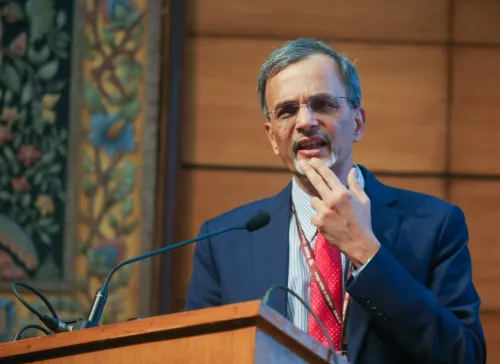
Nageswaran addressed the gathering at Assocham's Managing Committee Meeting and Special Session, noting that the resumption of hostilities in West Asia and rising interest rates across major economies — including a 10-year US Treasury yield of 5.02 per cent — had reintroduced volatility after a period of relative calm between March and July. Despite this, he argued that India had entered this phase of uncertainty from a position of strength, not fragility.
Evidence of Sustained Momentum
The CEA cited a set of high-frequency and structural indicators to support his assessment. These included India's recent sovereign rating upgrade to A-, the successful mobilisation of $137 billion through foreign exchange deposit swaps and external commercial borrowings, and positive trends in vehicle sales, e-way bill generation, and export growth. Together, he said, these data points signal continued economic momentum rather than a slowdown.
An Inflection Point for India
Nageswaran framed the current moment as a pivotal juncture. 'This is a period of churn and this is an inflection point, and therefore what served us very well in the first 45 years since independence and then the next 30 years in the liberalisation era, both of these things may not necessarily be adequate for the next 25 years. We need to raise our game in multiple respects,' he said.
He also called on individuals and households to invest in their mental, physical and emotional wellbeing, and urged younger Indians to remain open to acquiring trade skills alongside conventional educational pathways, noting that artificial intelligence is already reshaping employment patterns across sectors.
What the Private Sector Must Do
'The private sector must invest, must hire and must compensate fairly and also invest in R&D because the next 20 years is going to be very different from the last 80 years post-World War II,' Nageswaran said, placing the onus on industry to drive the next leg of growth rather than relying solely on government action.
He was explicit that policy alone cannot carry the weight of economic progress. 'Policy will play its part but policy cannot be the only instrument that drives the economy forward,' he said, adding that the government would continue to remain growth-supportive, maintain macroeconomic stability, and pursue deregulation and ease of doing business for both small and large enterprises.
Who Was in the Room
The virtual session was attended by Nirmal K. Minda, President of Assocham; past presidents of the chamber; senior secretariat members; Council Chairs and Co-Chairs; sectoral leaders; and heads of member organisations across Assocham's industry network. The breadth of the audience underscores the significance the confederation placed on Nageswaran's assessment at a moment of global economic uncertainty.
With the government signalling continued deregulation and private sector calls growing louder, how effectively India's corporate sector responds to this challenge will likely determine whether the CEA's resilience thesis holds through the remainder of the year.
Point of View
Credit growth and the sovereign rating upgrade are all real. But the $137 billion external mobilisation figure, while impressive, masks a question the CEA did not dwell on: how sticky is that capital if US yields stay elevated and the dollar strengthens further? His call for private sector-led investment also echoes years of similar appeals that have not yet translated into a sustained capex cycle. The inflection-point framing is striking — and warranted — but the 25-year horizon he invokes will be shaped as much by execution on deregulation and AI-era skilling as by macroeconomic stability alone.
NationPress
15 Sept 2026
Frequently Asked Questions
What did CEA V Anantha Nageswaran say about the Indian economy?
Chief Economic Adviser Dr V Anantha Nageswaran said on 15 September 2026 that the Indian economy is more likely to be resilient than vulnerable, even amid global headwinds such as elevated US Treasury yields and renewed West Asia tensions. He cited strong bank credit growth, robust GST collections, and healthy corporate balance sheets as evidence of structural strength.
Why did the CEA call this an inflection point for India?
Nageswaran described the current moment as an inflection point because the policy and economic frameworks that served India over the past 75 years — both the pre-liberalisation and post-1991 eras — may not be sufficient for the next 25 years. He argued India must raise its game across skilling, private investment, R&D, and individual wellbeing to navigate what he called a period of churn.
What are the key indicators the CEA cited to show India's economic strength?
Nageswaran highlighted India's sovereign rating upgrade to A-, the mobilisation of $137 billion through foreign exchange deposit swaps and external commercial borrowings, and high-frequency indicators including vehicle sales, e-way bill generation, and export growth as evidence of sustained economic momentum.
What role did the CEA say the private sector must play?
Nageswaran was explicit that the private sector must invest, hire, compensate fairly, and commit to R&D, warning that the next 20 years will be structurally different from the post-World War II era. He cautioned that government policy alone cannot drive the economy forward and called for a shared ownership of growth between the state and industry.
What global risks is India navigating, according to the CEA?
The CEA flagged the resumption of hostilities in West Asia and rising interest rates in major economies, including a 10-year US Treasury yield of 5.02%, as the primary sources of renewed global market volatility. He noted these had disrupted a period of relative calm that prevailed between March and July 2026.