UDAN Challenge Mode Portal launched for aerodrome development, 21 MoUs signed
Synopsis
India's UDAN scheme just got a structural overhaul. The launch of the Challenge Mode Portal lets states and UTs nominate their own airstrips for development — a bottom-up shift from the earlier top-down model — backed by 21 MoUs with the AAI. With route bidding opening and a 'Made in India civil aircraft' target flagged, this is the most ambitious retooling of regional aviation policy since UDAN's 2016 launch.
Key Takeaways
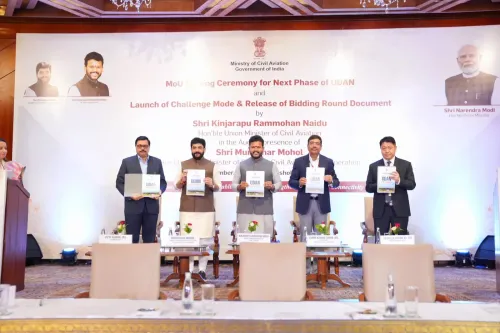
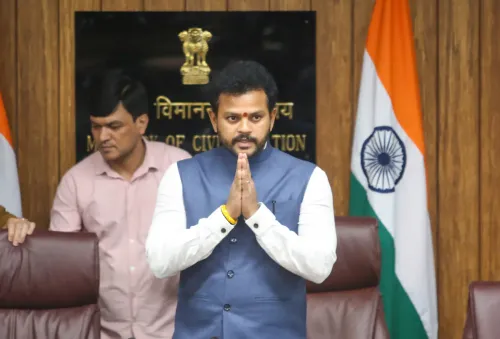
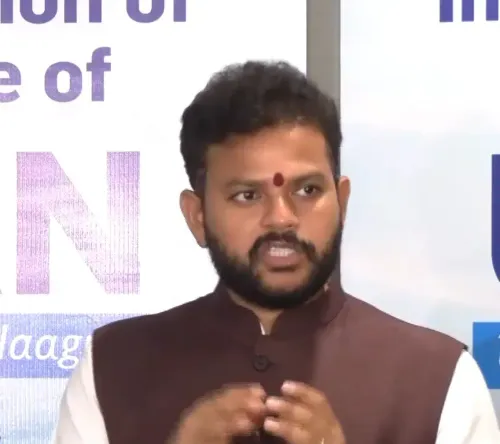
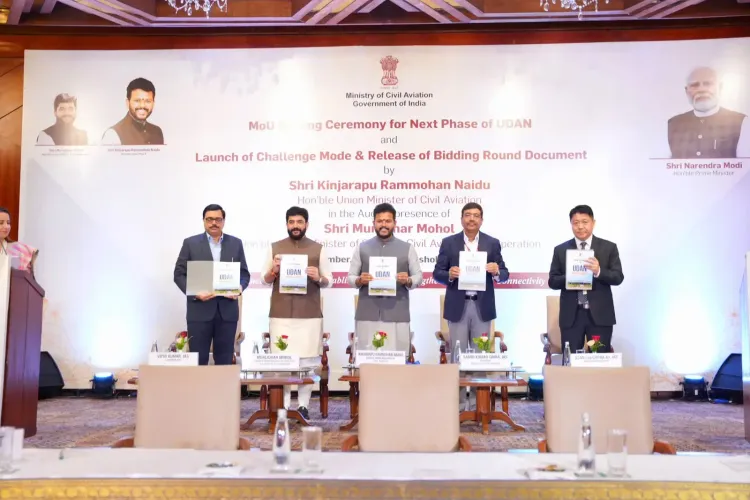
Civil Aviation Minister Ram Mohan Naidu launched the UDAN Challenge Mode Portal for Aerodrome Development on 22 September 2026 in New Delhi.
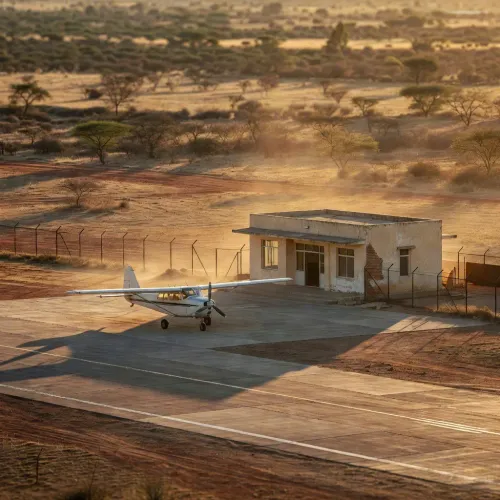
The portal allows states and Union Territories to nominate airstrips and helipads for development under the next UDAN phase.
The Ministry of Civil Aviation signed 21 MoUs with participating states, UTs, and the Airports Authority of India (AAI) .
The next UDAN phase is built on four pillars: affordability , sustainability , a transparent Challenge Mode framework , and indigenous manufacturing .
A Scheme Document for UDAN Route Bidding was also released, inviting airlines to competitively bid for regional routes.
Civil Aviation Minister Ram Mohan Naidu on Tuesday, 22 September 2026, launched the Challenge Mode Portal for Aerodrome Development under the next phase of the UDAN (Ude Desh ka Aam Nagrik) scheme in New Delhi, enabling states and Union Territories to nominate airstrips and helipads for development. The initiative marks a formal shift from policy consultations to on-ground implementation of regional air connectivity expansion across underserved and unserved parts of India.
Key Developments at the Launch
The Ministry of Civil Aviation signed 21 Memoranda of Understanding (MoUs) with participating states, Union Territories, and the Airports Authority of India (AAI) at the event. These agreements are designed to strengthen coordination for developing aviation infrastructure and broadening connectivity to regions that have historically lacked reliable air access.
The Minister also released the Scheme Document for the next phase of UDAN Route Bidding, which will invite airlines to bid for identified UDAN routes. The process is intended to enable transparent and competitive selection of routes and operators, expanding air services while improving accessibility and supporting economic activity, tourism, trade, and employment.
How the Challenge Mode Works
Under the Challenge Mode framework, state and UT administrations can proactively identify locations with aviation connectivity potential and nominate airstrips and helipads through a dedicated portal. The mechanism creates a structured pipeline for identifying aviation assets and upgrading them in line with regional requirements — a departure from the earlier top-down route allocation model.
Speaking at the launch, Naidu said the portal would allow administrations to 'facilitate the development and upgradation of aviation infrastructure according to local requirements.'
Four Pillars of the Next UDAN Phase
Naidu outlined four priorities for the upcoming phase: affordability for passengers, sustainability of operations, a transparent Challenge Mode framework for project selection, and promotion of indigenous manufacturing. He underscored the government's longer-term ambition of building a domestic civil aircraft ecosystem under the 'Make in India' banner.
'Together, we are building an ecosystem towards the larger ambition of Made in India Civil aircraft. That is the direction in which this next phase of UDAN is taking us,' Naidu said at the event.
Broader Context and What It Means
The UDAN scheme, launched in 2016, was originally designed to make air travel affordable for ordinary citizens by subsidising routes to smaller towns. The next phase represents a structural evolution — shifting from route-subsidy alone to a competitive bidding and infrastructure development model that draws in state governments as active partners.
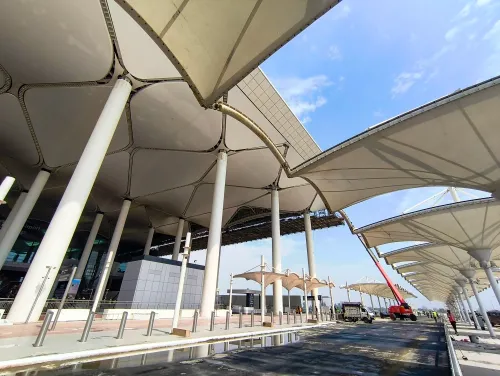
Notably, this comes amid India's rapid airport expansion push, with the government targeting over 200 operational airports in the medium term. The 21 MoUs signed on Tuesday signal that state-level buy-in, long a bottleneck in past UDAN phases, is now being formalised. With route bidding set to open and the Challenge Mode portal live, the pace of regional connectivity additions in the next 12 to 18 months will be closely watched by the aviation sector.
Point of View
But it also risks a land-rush of nominations that outpace genuine traffic demand. The real test will be whether the route bidding round attracts airlines to genuinely thin markets, or whether operators once again cluster around semi-profitable routes while the truly unserved districts stay unserved. The 21 MoUs look encouraging on paper; what matters is whether they carry enforceable infrastructure commitments or remain coordination frameworks that gather dust.
NationPress
22 Sept 2026
Frequently Asked Questions
What is the UDAN Challenge Mode Portal?
The UDAN Challenge Mode Portal is a dedicated online platform launched on 22 September 2026 that allows state governments and Union Territory administrations to nominate airstrips and helipads for development under the next phase of the UDAN scheme. It creates a structured, bottom-up mechanism for identifying and upgrading aviation infrastructure in line with regional connectivity needs.
What are the 21 MoUs signed at the UDAN launch event?
The Ministry of Civil Aviation signed 21 Memoranda of Understanding with participating states, Union Territories, and the Airports Authority of India (AAI) to formalise coordination for developing aviation infrastructure. The MoUs are aimed at accelerating connectivity to underserved and unserved regions across India.
What are the four pillars of the next UDAN phase?
Civil Aviation Minister Ram Mohan Naidu outlined four priorities: affordability for passengers, sustainability of operations, a transparent Challenge Mode framework for project selection, and promotion of indigenous manufacturing, including a stated ambition of building a Made in India civil aircraft ecosystem.
How does UDAN Route Bidding work under the new phase?
Airlines will be invited to bid competitively for identified UDAN routes under a scheme document released at the launch event. The process is designed to ensure transparent and competitive selection of routes and operators, with the goal of expanding air services to underserved regions while supporting tourism, trade, and employment.
What is the UDAN scheme and when was it launched?
UDAN — Ude Desh ka Aam Nagrik — is a regional connectivity scheme launched in 2016 to make air travel affordable for ordinary citizens by subsidising routes to smaller towns and cities. The next phase expands its scope to include a competitive bidding model and a state-driven infrastructure development framework.