Gaganyaan clears human-rating tests; uncrewed flight set for Q4 2026
Synopsis
India's Gaganyaan programme has crossed its most critical hardware threshold — the Human Rated Launch Vehicle has passed all propulsion and structural ground tests. With the Vyommitra uncrewed flight locked in for Q4 2026 and two more uncrewed missions before the first crewed launch, India's path to sending astronauts to orbit is now a sequenced, tested roadmap rather than an aspiration.
Key Takeaways
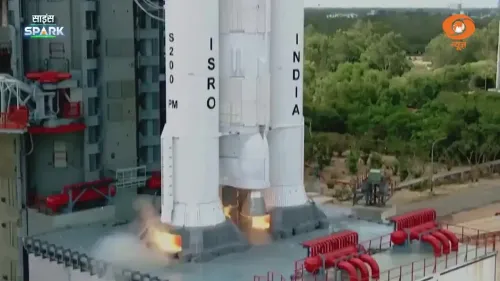
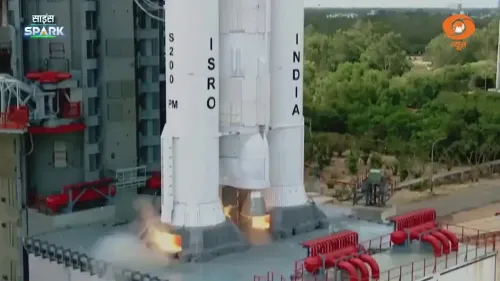
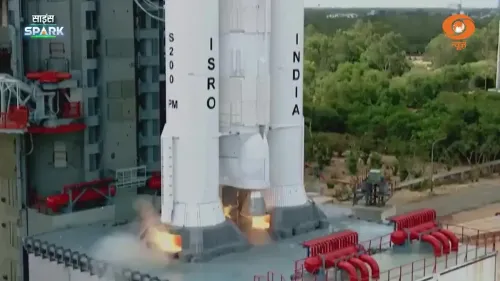
HLVM3 has completed development and ground testing of all propulsion stages and structures, clearing human-rating requirements.
The first uncrewed Gaganyaan mission carrying the Vyommitra half-humanoid is targeted for Q4 2026 .
Two additional uncrewed missions are planned by 2027 before India's maiden crewed orbital flight.
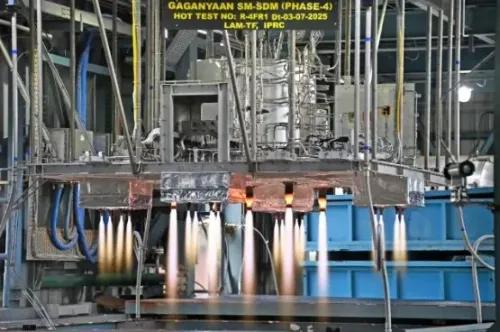
All five motor types for the Crew Escape System (CES) have been successfully static tested.
The Bharatiya Antariksh Station (BAS) , comprising five modules , is planned for operationalisation by 2035 ; the first module BAS-01 has government approval.
Key ground infrastructure — including the Gaganyaan Control Centre and Crew Training Facility — is already in place at Sriharikota .
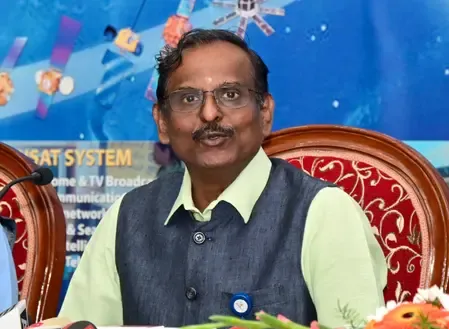
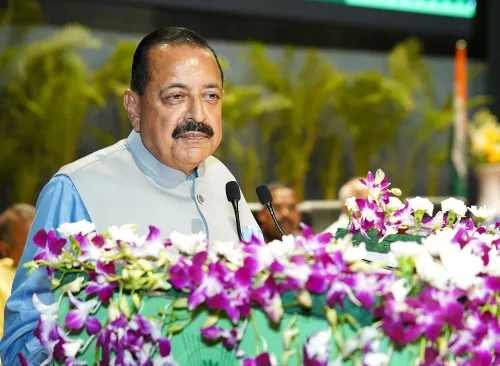
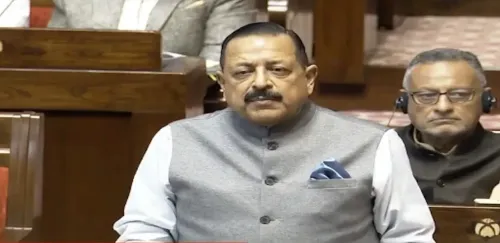
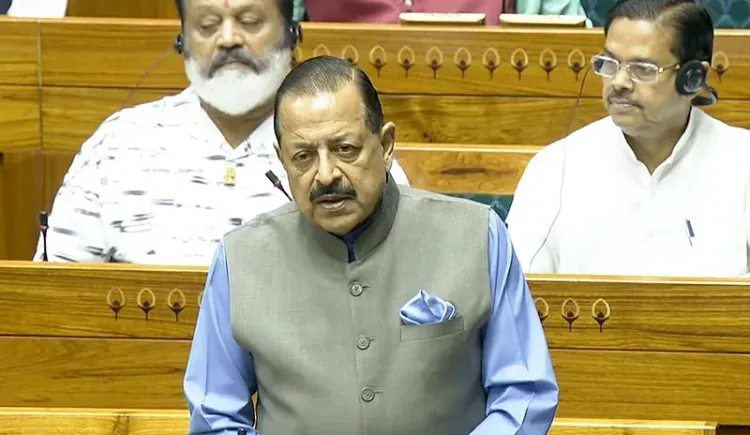
India's first human spaceflight programme, Gaganyaan, has cleared a critical milestone after the Human Rated Launch Vehicle Mark-3 (HLVM3) completed development and ground testing of all propulsion stages and structures, Minister of State for Science and Technology Dr. Jitendra Singh informed the Rajya Sabha on 6 August. The announcement signals that the programme's hardware backbone is now validated, keeping India on course for its maiden crewed orbital mission.
Key Milestones Achieved
According to Dr. Singh, the propulsion systems of both the Crew Module and the Service Module of HLVM3 have been developed, tested, and qualified. The Engineering Model of the Environmental Control and Life Support System (ECLSS), the Thermal Protection System, the Deceleration System, the Crew Module Up-righting System, and end-to-end avionics have all been successfully developed and tested.
Critically, all five types of motors for the Crew Escape System (CES) — a last-resort safety mechanism to pull astronauts away from a failing rocket — have been developed and successfully static tested, with all associated structures realised and qualified.
Mission Roadmap
The first uncrewed experimental Gaganyaan mission, which will carry the Vyommitra half-humanoid robot, is targeted for the fourth quarter of 2026. This flight is designed to validate technologies being developed for the first time under the programme.
Two additional uncrewed missions — configured to mirror the first crewed flight — are subsequently targeted by 2027, before India attempts its maiden human orbital spaceflight. The phased approach reflects the Indian Space Research Organisation's (ISRO's) strategy of eliminating risk incrementally before placing crew aboard.
Ground Infrastructure in Place
Mission-critical ground infrastructure has also been established, according to a statement from the Department of Space. This includes the Orbital Module Preparation Facility, the Gaganyaan Control Centre, a dedicated Crew Training Facility, and modifications to the Second Launch Pad at Sriharikota to support upcoming mission activities.
Bharatiya Antariksh Station on the Horizon
Looking further ahead, Dr. Singh said the Bharatiya Antariksh Station (BAS) is planned to be operationalised by 2035. ISRO has worked out the overall configuration of the space station, which will comprise five modules. The government has approved the development and launch of the first module, BAS-01, with system engineering and technology development activities progressing across ISRO centres and units.
This comes amid a broader push by India to establish itself as a major spacefaring nation, with ISRO juggling Gaganyaan, the Chandrayaan series, and commercial launch ambitions simultaneously. The successful completion of human-rating tests is arguably the most consequential single step the programme has taken since its inception.
Point of View
Not a ceremonial one — it means the rocket and its life-support architecture have been validated to carry humans, a bar that cannot be fudged. What the Rajya Sabha statement does not address is the cumulative delay: Gaganyaan was originally targeted for 2022, then 2024, and the crewed mission is now effectively post-2027. The phased uncrewed approach is prudent, but the timeline slippage deserves scrutiny. More importantly, the Bharatiya Antariksh Station announcement for 2035 is a bold long-horizon commitment — but BAS-01 approval without a published funding roadmap raises the question of whether India is sequencing ambition or just layering it.
NationPress
21 Sept 2026
Frequently Asked Questions
What is the Gaganyaan mission and where does it stand now?
Gaganyaan is India's first human spaceflight programme, managed by ISRO. As of August 2026, the Human Rated Launch Vehicle (HLVM3) has completed all propulsion and structural ground tests, and the mission is on track for an uncrewed flight carrying the Vyommitra robot in Q4 2026, followed by crewed missions thereafter.
When will India send astronauts to space under Gaganyaan?
India's maiden crewed orbital mission is planned after two uncrewed missions targeted by 2027. The exact date for the crewed flight has not been officially announced, but the uncrewed Vyommitra mission in Q4 2026 is the immediate next step.
What is the Crew Escape System and why does it matter?
The Crew Escape System (CES) is a safety mechanism designed to pull the crew module away from the launch vehicle in the event of a failure during ascent. All five types of motors for the CES have been developed and successfully static tested, a critical step in certifying the vehicle as safe for human spaceflight.
What is the Bharatiya Antariksh Station?
The Bharatiya Antariksh Station (BAS) is India's planned national space station, intended to be operationalised by 2035. ISRO has finalised its configuration as a five-module station; the government has approved development and launch of the first module, BAS-01.
What ground infrastructure has been set up for Gaganyaan?
Key facilities now in place include the Orbital Module Preparation Facility, the Gaganyaan Control Centre, a Crew Training Facility, and modifications to the Second Launch Pad at Sriharikota — all established to support the upcoming uncrewed and crewed mission sequence.