Google picks 20 AI-first Indian startups for Accelerator India 2026
Synopsis
Google has picked just 20 startups from nearly 2,500 applicants for its 2026 India Accelerator cohort — a sub-1% selection rate that reflects both the scale of India's AI ambition and the sharpness of the filter. What stands out is the shift: this cohort is no longer about chatbots and LLM wrappers, but agentic AI and physical AI systems tackling healthcare, climate, and legal access at scale.
Key Takeaways
Google selected 20 AI-first startups for its Google for Startups Accelerator: India 2026 cohort on 8 July 2026 .
The cohort was chosen from nearly 2,500 applications — a selection rate of under 1% .
The programme marks 10 years of Google's accelerator initiatives in India.
Startups span healthcare, climate tech, finance, legal services, manufacturing, cybersecurity , and developer tools .
Selected startups gain access to Google's AI technology stack , technical mentorship, and go-to-market support.
Preeti Lobana , VP and Country Manager, Google India, called the cohort 'the vanguard of this technological shift' toward agentic and physical AI systems.
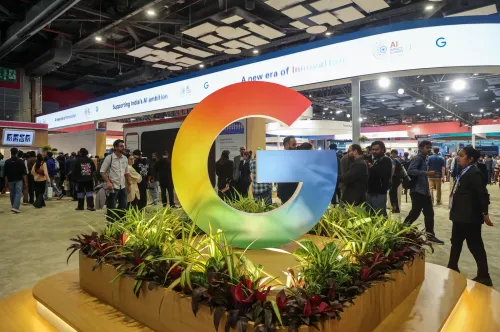
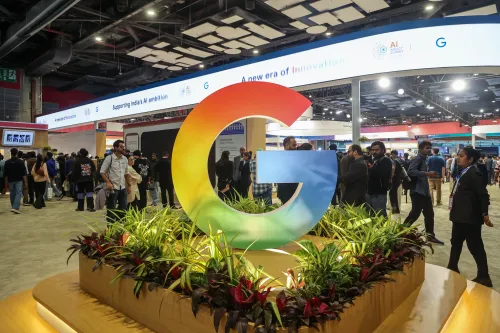
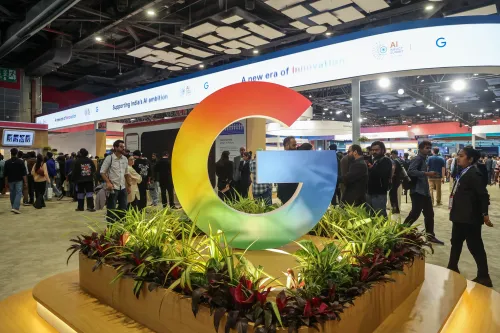
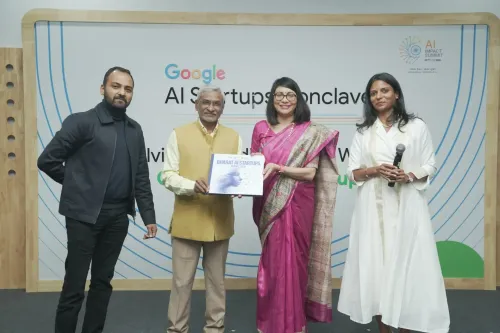
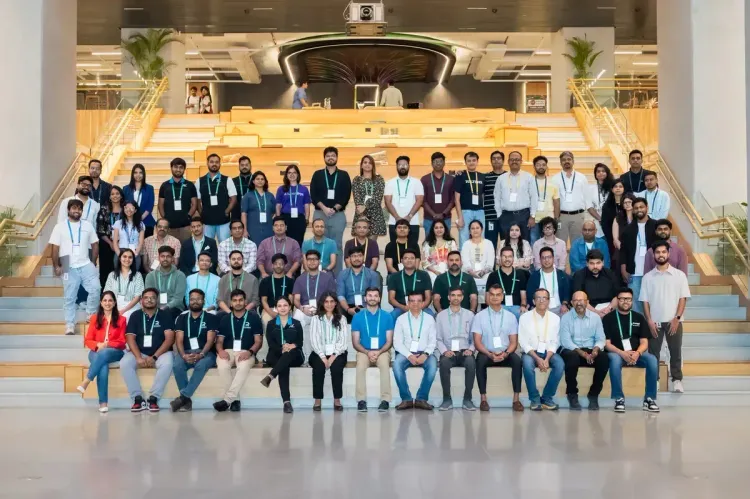
Google on Wednesday, 8 July 2026 announced the 2026 cohort of its Google for Startups Accelerator: India programme, selecting 20 AI-first startups from a pool of nearly 2,500 applications. The announcement coincides with the 10th anniversary of Google's accelerator initiatives in India, marking a decade of structured support for the country's startup ecosystem.
A New Generation of AI Startups
The 2026 cohort signals a notable shift in India's startup landscape — from conventional large language model (LLM)-based applications toward agentic AI and multimodal AI systems capable of operating in physical environments and enterprise workflows. The selected startups span sectors including healthcare, climate technology, finance, legal services, manufacturing, cybersecurity, and developer tools.
According to Google, these startups are building next-generation AI products engineered to tackle complex, real-world problems — bringing artificial intelligence out of the cloud and into operational settings.
What Google Offers the Cohort
As part of the programme, each selected startup gains access to Google's AI technology stack, along with technical guidance, product development support, and go-to-market mentorship designed to accelerate global scaling. This structured support distinguishes the accelerator from generic funding programmes, offering hands-on access to Google's infrastructure and expertise.
Preeti Lobana, Vice President and Country Manager, Google India, described the cohort as representative of a broader inflection point. 'India's startup ecosystem is moving into a new frontier of agentic workflows and physical AI systems engineered to solve high-stakes, real-world challenges. As we mark a decade of Google Accelerator programs, the 2026 Indian cohort represents the vanguard of this technological shift,' Lobana said.
Who Made the Cut
The cohort covers a wide range of domains. In legal technology, Adalat AI is developing an end-to-end AI-powered justice platform to automate clerical processes and accelerate court case resolution.
Healthcare is represented by Aikenist, which applies AI to radiology workflows, and FlexifyMe, which uses AI for chronic pain recovery programmes. On the climate front, Aurassure and Fitsol are building AI-driven tools for hyperlocal climate monitoring, carbon tracking, and enterprise sustainability.
Fashion technology startup Ayna helps brands generate AI-powered product catalogues. Finance is covered by Binocs, Dodo Payments, and OnFinanceAI, which are automating due diligence, merchant services, compliance, and risk management respectively.
The developer tools segment includes CraftifAI, H2Loop AI, CreateOS by NodeOps, Pipeshift, and TartanHQ, building AI infrastructure, coding models, software development platforms, and enterprise integration tools. Jidoka is developing AI-powered computer vision systems for automated manufacturing inspection, while Proxgy combines AI, IoT, and SaaS to digitise enterprise operations.
Rounding out the cohort are Soundverse AI (AI tools for music creation), SuperBryn (reliability of voice AI systems), and cybersecurity startup Zeron, which builds AI-powered security agents to identify and address software and cloud vulnerabilities.
Why This Matters for India's AI Ambitions
India's emergence as a global AI hub has been driven in part by its deep talent pool and a maturing startup ecosystem. The selection of 20 startups from 2,500 applicants — a conversion rate of under 1% — underscores both the competitiveness and the breadth of innovation now emerging from Indian founders. Notably, the sectoral spread of this cohort mirrors policy priorities around healthcare access, climate resilience, and financial inclusion, suggesting that India's AI startups are increasingly aligning innovation with national-scale challenges.
As the programme moves forward, the performance of these startups on the global stage will be a key indicator of whether India's AI ecosystem can translate accelerator momentum into durable, scalable businesses.
Point of View
500 applicants is a signal, not just a statistic — it tells you how crowded India's AI startup field has become and how selective Google is being about what it backs. The more telling shift is thematic: the move from LLM wrappers to agentic and physical AI systems suggests Indian founders are graduating from feature-building to infrastructure. The sectoral spread — legal access, climate monitoring, manufacturing inspection — also maps closely onto India's structural gaps, which is either a sign of genuine mission-driven innovation or savvy positioning for policy tailwinds. Google's decade-long presence as an accelerator in India has produced real exits, but the programme's deeper value may be the signal it sends to global investors about which Indian startups have cleared a credible technical bar.
NationPress
7 Oct 2026
Frequently Asked Questions
What is the Google for Startups Accelerator: India 2026 cohort?
It is the 2026 edition of Google's annual accelerator programme for Indian startups, selecting 20 AI-first companies from nearly 2,500 applications. The cohort receives access to Google's AI technology stack, technical mentorship, and go-to-market support aimed at helping them scale globally.
How many startups applied and how many were selected?
Nearly 2,500 startups applied, and 20 were selected — a conversion rate of under 1%. The high volume of applications reflects the rapid growth of India's AI startup ecosystem.
Which sectors do the 2026 cohort startups cover?
The 20 selected startups work across healthcare, climate technology, finance, legal services, manufacturing, cybersecurity, fashion technology, developer tools, and music creation, among others.
What does Google provide to the selected startups?
Selected startups receive access to Google's AI technology stack, along with technical guidance, product development support, and go-to-market mentorship to help them scale their businesses internationally.
Why is the 2026 cohort significant for India's AI ecosystem?
It marks the 10th anniversary of Google's accelerator programme in India and reflects a generational shift in the ecosystem — from basic LLM-based apps to agentic AI and physical AI systems addressing complex, real-world challenges at scale.