Customs duty exemption on petrochemical imports extended till July 15, 2026
Synopsis
India's customs duty exemption on critical petrochemical imports, introduced to offset West Asia-driven supply disruptions and an LPG production pivot by domestic refiners, has been extended by 15 days to 15 July 2026 — a signal that the government sees normalisation as imminent but is unwilling to risk a hard landing for dependent industries.
Key Takeaways
The Centre extended the full customs duty exemption on critical petrochemical imports by 15 days on 30 June 2026 .
The new deadline is 15 July 2026 ; the product list covered remains unchanged.
The exemption was originally introduced due to the West Asia conflict disrupting global petrochemical supply chains.
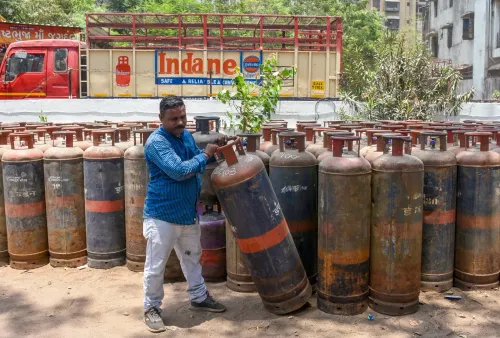
Indian petroleum companies had been directed to prioritise LPG production , reducing domestic petrochemical availability.
Beneficiary sectors include plastics, packaging, textiles, pharmaceuticals, chemicals, and automotive components .
The government says the supply situation is 'gradually normalising' and the extension aims to ensure a smooth transition.
The Centre on Tuesday, 30 June 2026 extended the full customs duty exemption on critical petrochemical imports by a further 15 days, pushing the relief deadline to 15 July 2026. The exemption, originally set to lapse on 30 June 2026, will continue to cover the same list of petrochemical products notified under the earlier order.
Why the Exemption Was Introduced
The duty waiver was initially introduced as a targeted, temporary measure in response to the West Asia conflict, which disrupted global supply chains and squeezed the availability of key petrochemical products in the domestic market. Simultaneously, Indian petroleum companies were directed to prioritise the production of Liquefied Petroleum Gas (LPG), reducing their capacity to supply petrochemical feedstock and intermediates to downstream industries.
'The exemption was provided to ensure sufficient availability of petrochemicals in the domestic market as Indian petroleum companies had been asked to concentrate on the production of LPG during this period,' the Ministry of Finance said in its official statement.
Why the Extension Was Granted
According to the government, supply conditions are gradually returning to normal. However, authorities determined that an abrupt withdrawal of the exemption could create disruption for industries dependent on imported petrochemical inputs. The 15-day extension is designed to allow a smooth, non-disruptive transition rather than a sudden policy cliff.
'As the situation is gradually normalising, to ensure a smooth and non-disruptive transition for the affected sectors, it has been decided to extend the said exemption by a further period of 15 days, that is, till 15th July 2026. The list of products covered remains the same as notified earlier,' the ministry stated.
Sectors That Stand to Benefit
The continued exemption is expected to provide relief across a wide swathe of India's manufacturing base. Beneficiary sectors include plastics, packaging, textiles, pharmaceuticals, chemicals, automotive components, and several other segments that rely on petrochemical inputs as raw materials or intermediates.
The government said the extension is also intended to help stabilise input costs for manufacturers, which in turn is expected to support the availability of finished goods at competitive prices for consumers.
What Happens Next
With the exemption now running through 15 July 2026, industry stakeholders will be watching closely for any further policy signal from the Ministry of Finance on whether the waiver will be allowed to expire or extended again, depending on how quickly the West Asia supply situation normalises. The government has reaffirmed its commitment to supporting India's manufacturing sector and ensuring uninterrupted access to essential raw materials.
Point of View
Rather than a longer rollover, signals that the government believes the West Asia supply crunch is nearly resolved — but is not confident enough to pull the plug cold. The more consequential question is structural: directing petroleum companies to prioritise LPG over petrochemical output is a policy trade-off with downstream costs that a temporary duty waiver only partially offsets. If the July 15 deadline arrives with supply still tight, the Centre will face pressure to either extend again or explain why it did not act earlier to diversify feedstock sourcing. Industries dependent on imported intermediates should not treat this as a long-term buffer.
NationPress
30 Jun 2026
Frequently Asked Questions
What is the customs duty exemption on petrochemical imports about?
The Centre has granted a full customs duty waiver on a notified list of critical petrochemical products to ensure adequate domestic supply. The exemption was introduced in response to the West Asia conflict, which disrupted global supply chains, and is now extended to 15 July 2026.
Why were Indian petroleum companies asked to focus on LPG production?
Amid the West Asia conflict and resulting energy supply pressures, Indian petroleum companies were directed to concentrate on producing Liquefied Petroleum Gas (LPG) to meet domestic fuel needs. This reduced their output of petrochemical feedstock, making the duty exemption on imports necessary to fill the gap.
Which industries benefit from the petrochemical duty exemption?
The exemption benefits a broad range of manufacturing sectors including plastics, packaging, textiles, pharmaceuticals, chemicals, and automotive components — all of which rely on petrochemical inputs as raw materials or intermediates.
Will the duty exemption be extended beyond July 15, 2026?
The government has not announced any further extension beyond 15 July 2026. Officials indicated the supply situation is gradually normalising, and the 15-day extension is intended as a transitional measure rather than a long-term relief.
What triggered the original petrochemical supply disruption in India?
The conflict in West Asia disrupted global petrochemical supply chains, reducing the availability of key products in the Indian market. Compounding this, domestic petroleum companies were redirected toward LPG production, further tightening petrochemical availability.