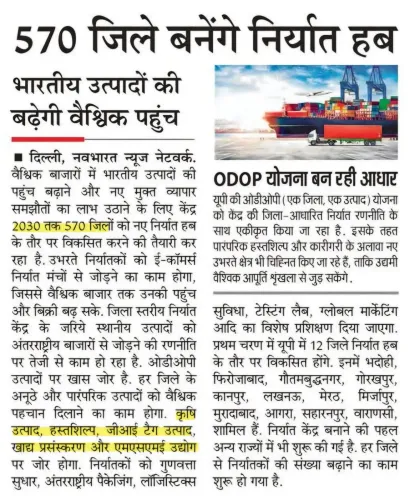
ODOP scheme maps 1,244 products across 773 districts to boost local exports
Synopsis
The government has mapped 1,244 products across 773 districts under ODOP — but the more telling number is 249: the District Export Action Plans actually adopted so far out of 773. With a dedicated GeM storefront, state e-commerce platforms, and ₹200 crore Unity Mall loans on the table, the infrastructure is being built — the question is whether artisan-level production can scale to meet export-grade demand.
Key Takeaways
1,244 products identified across 773 districts under the ODOP framework, as of 25 July 2025 .
Export potential mapped in 734 districts under the Districts as Export Hubs initiative; 249 District Export Action Plans adopted.
Over 500 ODOP product categories — covering more than 1,300 products — listed on the Government e-Marketplace (GeM) .
States can access up to ₹200 crore via a 50-year interest-free loan to establish PM Ekta Malls for ODOP and GI products.
PMFME Scheme offers a 35% capital subsidy (up to ₹10 lakh ) and a 50% branding grant for food processing ODOP units.
More than 10 states have built dedicated e-commerce platforms for ODOP product sales.
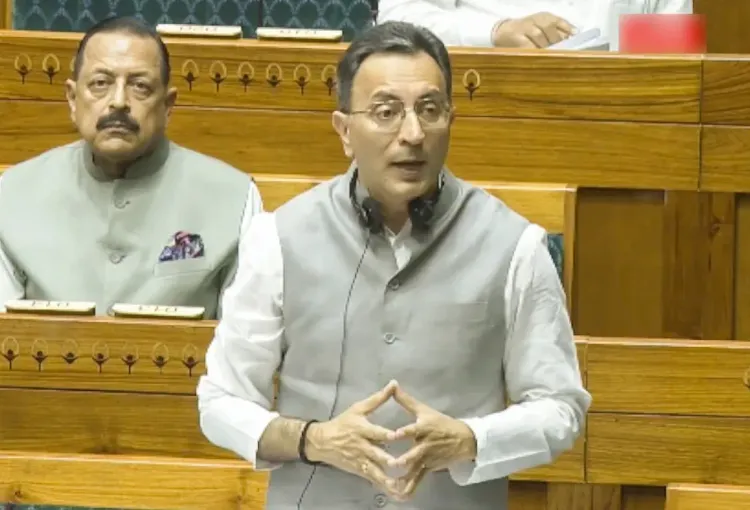
The Centre has identified 1,244 products across 773 districts under the One District One Product (ODOP) framework, Minister of State for Commerce and Industry Jitin Prasada informed the Rajya Sabha on 25 July 2025. The disclosure underscores the government's push to translate district-level manufacturing strengths into export opportunities.
Districts as Export Hubs
Under the Districts as Export Hubs initiative, potential export products and services have been identified in 734 districts. To support implementation, State Export Promotion Committees (SEPCs) and District Export Promotion Committees (DEPCs) have been set up across all 36 states and Union Territories. A total of 249 District Export Action Plans (DEAPs) have been formally adopted by their respective DEPCs to streamline the value chain from production to export.
Market Access and E-Commerce Push
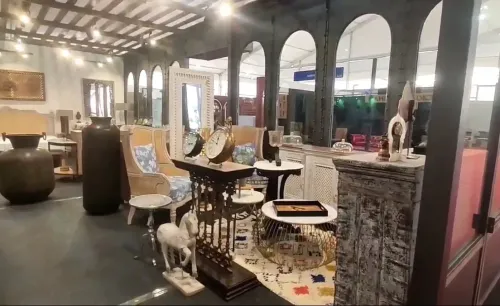
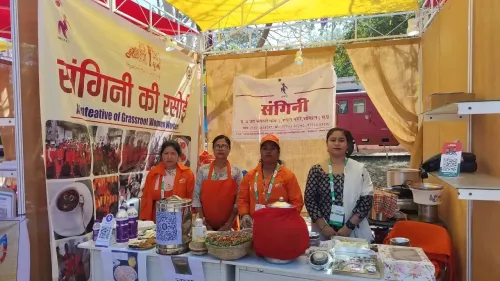
A dedicated ODOP Storefront has been established on the Government e-Marketplace (GeM), listing over 500 ODOP product categories covering more than 1,300 products available for procurement. More than 10 states have additionally developed their own e-commerce platforms for marketing and selling ODOP products. Artisans and producers are also being connected to buyers through national exhibitions, trade fairs, and promotional events.
Financial Support Mechanisms
Under the Scheme for Special Assistance to States for Capital Investment (SASCI), financial assistance of up to ₹200 crore per state or UT is provided through a 50-year interest-free loan for establishing PM Ekta Malls (Unity Malls) — dedicated retail spaces promoting ODOP, Geographical Indication (GI), and local handicraft products.
The Pradhan Mantri Formalisation of Micro food processing Enterprises (PMFME) Scheme, implemented by the Ministry of Food Processing Industries (MoFPI), also adopts the ODOP approach for the food processing sector. It offers a 35 per cent credit-linked capital subsidy with a maximum of ₹10 lakh per eligible project, seed capital support for Self-Help Group (SHG) members, and capacity building through Entrepreneurship Development Programmes.
Branding and Institutional Framework
The PMFME Scheme provides a 50 per cent grant under its Branding and Marketing component, covering common branding, packaging, quality standardisation, and food safety compliance. ODOP is an initiative of the Department for Promotion of Industry and Internal Trade (DPIIT), which selects and promotes at least one signature product per district. Product selection is carried out by the respective state or UT governments, ensuring local ownership of the process.
With export action plans in place across nearly half of India's districts and a growing digital marketplace presence, the scheme's next phase will test whether grassroots production can be consistently linked to international demand.
Point of View
244 products, 773 districts, 734 export-mapped zones — but only 249 District Export Action Plans have actually been adopted, meaning roughly two-thirds of districts are yet to formalise their export roadmaps. A GeM storefront and state e-commerce portals are necessary infrastructure, but they do not guarantee market pull; artisan products routinely struggle with quality standardisation and logistics at scale. The ₹200 crore Unity Mall loan is a retail-centric intervention in what is fundamentally a supply-chain problem. Until DEAPs translate into verifiable export volumes, ODOP risks remaining a well-catalogued aspiration rather than a structural trade lever.
NationPress
24 Jul 2026
Frequently Asked Questions
What is the One District One Product (ODOP) scheme?
ODOP is a government initiative by the Department for Promotion of Industry and Internal Trade (DPIIT) that identifies, brands, and promotes at least one signature product from each district to drive balanced regional growth. Product selection is done by the respective state or UT governments, giving local administrations ownership of the process.
How many products and districts are covered under ODOP?
As of July 2025, the government has identified 1,244 products across 773 districts under the ODOP framework. Additionally, export potential has been mapped for products and services in 734 districts under the Districts as Export Hubs initiative.
How can consumers or buyers access ODOP products?
A dedicated ODOP Storefront on the Government e-Marketplace (GeM) lists over 500 product categories covering more than 1,300 products available for procurement. More than 10 states have also launched their own e-commerce platforms for ODOP product sales.
What financial support is available under the ODOP framework?
States and UTs can receive up to ₹200 crore as a 50-year interest-free loan under SASCI to set up PM Ekta Malls for ODOP and GI products. The PMFME Scheme further offers a 35% credit-linked capital subsidy (up to ₹10 lakh per project) and a 50% grant for branding and marketing for food processing units.
What are District Export Action Plans (DEAPs) and how many have been adopted?
DEAPs are district-level roadmaps that streamline the value chain from production to export, adopted by District Export Promotion Committees (DEPCs). As of the latest parliamentary disclosure, 249 DEAPs have been formally adopted across the country.