Bangladesh food security at risk as Strait of Hormuz disrupts fertiliser supply
Synopsis
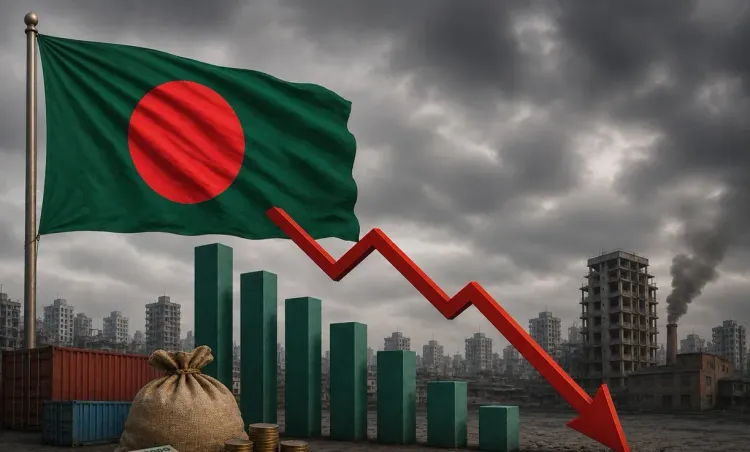
Fuel prices are the headline, but food security is the deeper threat. With 30–35 per cent of global fertiliser trade passing through the Strait of Hormuz and urea already spiking on spot markets, Bangladesh — heavily import-dependent and LNG-linked — faces a compounding agricultural shock ahead of its critical Aman rice season. The crisis building in the strait could quietly become a hunger crisis in Dhaka.
Key Takeaways
30–35 per cent of global fertiliser trade and roughly one-fifth of global oil shipments pass through the Strait of Hormuz .
Bangladesh imports a significant share of its fertiliser needs and depends on LNG -linked domestic production, making it especially vulnerable.
Urea prices have already recorded sharp gains in global spot markets amid growing supply uncertainty.
Higher input costs threaten the upcoming Aman rice season , a critical crop cycle for Bangladesh's food supply.
Rising production costs are expected to push up food prices, adding pressure on household budgets already strained by inflation.
Regional economies are reportedly expanding food stockpiles and seeking alternative fertiliser sources, while Bangladesh has not yet announced emergency procurement measures.
Bangladesh is confronting a deepening threat to food security and agricultural stability as ongoing disruptions in the Strait of Hormuz tighten global fertiliser and fuel supply chains, according to a report published in The Financial Daily. The analysis warns of a cascading impact on crop production, rural incomes, and household food budgets in one of South Asia's most agriculture-dependent economies.
The Hormuz Chokepoint and What It Controls
The Strait of Hormuz is not merely an energy corridor — it is a critical artery for global agricultural inputs. According to the report, nearly 30–35 per cent of global fertiliser trade transits the strait, alongside approximately one-fifth of global oil shipments. Any sustained disruption therefore carries a dual shock: higher energy costs and constrained fertiliser availability arriving simultaneously.
Notably, urea — a primary nitrogen fertiliser — has already recorded sharp gains in global spot markets, signalling that traders are pricing in prolonged supply uncertainty. For import-dependent nations such as Bangladesh, this translates into immediate procurement pressure.
Bangladesh's Specific Vulnerabilities
Bangladesh imports a significant share of its annual fertiliser requirements and relies heavily on LNG-linked domestic production chains. This dual dependence makes the country particularly exposed to external shocks originating in the Middle East. Higher diesel and LNG prices are also expected to raise irrigation costs, compressing farm margins and threatening output in the upcoming Aman rice season — one of the country's most critical crop cycles.
Rising input costs, the report cautioned, will likely feed into elevated food prices, squeezing household budgets at a time when inflationary pressures are already heightened across the economy.
Regional Responses and Procurement Shifts
Some regional economies have already begun adjusting their strategies in anticipation of prolonged supply disruption. Reports indicate that several countries are expanding food stockpiles and actively seeking alternative fertiliser sources beyond traditional Middle Eastern supply routes. Bangladesh, however, has not yet publicly detailed any emergency procurement plan.
The report warned that if disruptions persist, fertiliser markets could remain volatile for an extended period, compelling governments to rely increasingly on costly spot-market purchases and emergency import arrangements.
The Deeper Threat Beyond Fuel Prices
While surging fuel costs have dominated public and policy attention in Bangladesh, the report argued that a more consequential risk is building quietly. 'The energy crisis may dominate headlines today. But the deeper threat approaching Bangladesh appears increasingly likely to come from food insecurity,' the report stated.
This comes amid a broader pattern of climate and geopolitical shocks repeatedly testing South Asian food systems — from Sri Lanka's fertiliser import ban in 2021 to Pakistan's flood-driven crop losses in 2022. Bangladesh's exposure underscores how supply-chain vulnerabilities in the Strait of Hormuz can rapidly translate into food-price crises thousands of kilometres away.
What Happens Next
Agricultural economists and policymakers will be closely watching the trajectory of global urea prices and LNG spot rates over the coming weeks. The duration of Hormuz disruptions will be the decisive variable — a short-term disruption may be manageable through existing buffer stocks, but a prolonged squeeze could force Bangladesh into expensive emergency procurement ahead of the Aman planting window. The government's response in the next few weeks will be critical to whether the food security risk remains contained or widens into a broader rural crisis.
Point of View
Hitting the rural poor hardest and fastest. The absence of any publicly stated emergency procurement plan from Dhaka is the detail that deserves more scrutiny than it is currently receiving.
NationPress
25 Sept 2026
Frequently Asked Questions
Why is the Strait of Hormuz disruption a food security threat for Bangladesh?
The Strait of Hormuz carries nearly 30–35 per cent of global fertiliser trade, and Bangladesh imports a significant share of its fertiliser requirements. Disruptions in the strait tighten global supply and push up prices, directly raising agricultural input costs for Bangladeshi farmers.
Which crop season is most at risk from the fertiliser shortage?
The upcoming Aman rice season is considered the most critical at-risk crop cycle. Higher fertiliser and diesel costs are expected to compress farm margins and potentially reduce yields during this key agricultural period.
How have urea prices been affected so far?
Urea, a primary nitrogen fertiliser, has already recorded sharp gains in global spot markets amid growing uncertainty over Middle Eastern supply routes. For import-dependent countries like Bangladesh, this signals immediate procurement pressure and higher farm input costs.
What are other regional countries doing in response?
Several regional economies have reportedly begun expanding food stockpiles and seeking alternative fertiliser sources beyond traditional Middle Eastern supply routes. Bangladesh has not yet publicly announced a comparable emergency procurement or stockpiling strategy.
What is the broader risk if Hormuz disruptions continue?
If disruptions persist, fertiliser markets could remain volatile for an extended period, forcing governments to rely on costly spot-market purchases. Rising production costs would feed into higher food prices, adding pressure on household budgets at a time when inflation is already elevated in Bangladesh.