India-New Zealand FTA: NZ MP Phil Twyford hails India as Asia's rising powerhouse

Synopsis
New Zealand MP Phil Twyford’s remarks during PM Modi’s Auckland visit go beyond diplomatic courtesy — they signal a deliberate Kiwi pivot toward India as a strategic partner in a post-unipolar world. The India-New Zealand FTA, coupled with Twyford’s emphasis on tech collaboration and people-to-people ties, frames this as a relationship upgrade, not just a trade deal.
Key Takeaways
New Zealand MP Phil Twyford described India as a political and economic powerhouse in Asia on 10 July .
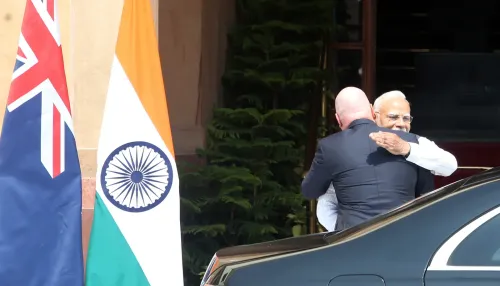
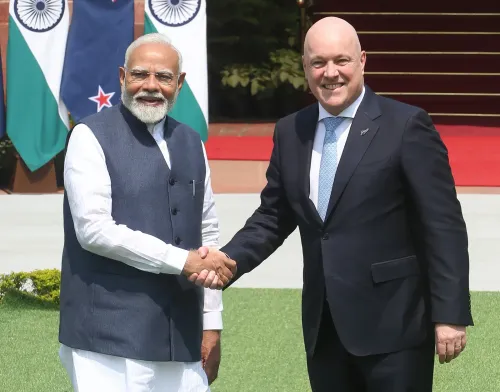
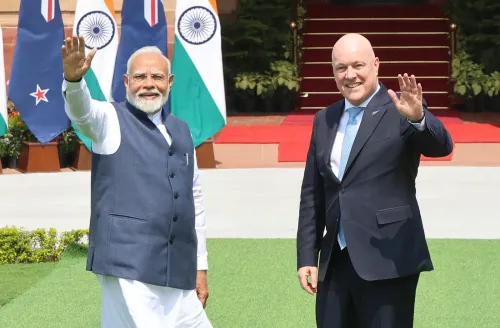
Prime Minister Narendra Modi arrived in Auckland for an official visit, during which the India-New Zealand Free Trade Agreement was highlighted as a landmark development.
Twyford said New Zealand’s foreign policy must adapt to a multipolar world , with India as a key partner.
Technology and digital innovation were identified as major areas for India-New Zealand collaboration .
The visit is seen as broadening bilateral ties beyond trade to include people-to-people connections and institutional engagement.
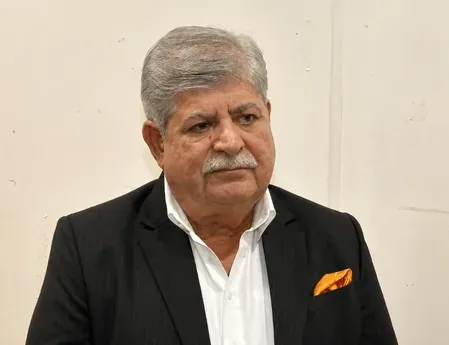
New Zealand Member of Parliament Phil Twyford on Friday, 10 July described India as a political and economic powerhouse in Asia and called the India-New Zealand Free Trade Agreement a timely and significant milestone, as Prime Minister Narendra Modi arrived in Auckland for an official visit. Twyford said the agreement reflects New Zealand's need to adapt its foreign policy to an increasingly multipolar world.
India as a Rising Global Power
Speaking in Auckland, Twyford underscored India's growing stature on the world stage. “He’s the Prime Minister of India. India is one of the most important rising powers in the world. We now live in a multipolar international environment. There’s no longer just one superpower; there are many. And New Zealand’s foreign policy has to catch up with that fact,” he said.
Twyford argued that the free trade agreement with India is “very timely” in this context and that welcoming Prime Minister Modi to New Zealand was a natural extension of this strategic realignment.
Significance of the Free Trade Agreement
The India-New Zealand Free Trade Agreement has been characterised by Twyford as more than a commercial arrangement. “This is a time for a little country like New Zealand to have a free trade agreement with India. It’s a very significant development in our relationship with India as a political and economic powerhouse in Asia, emerging as a great power,” he said.
He stressed that the deepening relationship extends beyond trade to encompass people-to-people connections, institutional ties, and broader diplomatic engagement — all of which he described as “very important” for New Zealand.
Technology and Digital Collaboration
Twyford also pointed to technology and innovation as a key frontier for bilateral cooperation. He noted that New Zealand stands to gain from India’s established technology ecosystem and the presence of major Indian firms with global reach.
“One of the benefits for a country like New Zealand, working more closely with India, is that we have access to many of the big Indian firms, the technology and the expertise. For us, digital technology is right up there in terms of our need to develop our economy. So there are huge opportunities for us to work together in that space,” he said.
What This Visit Signals
Prime Minister Modi’s visit to New Zealand is being viewed as a marker of India’s expanding diplomatic footprint in the Pacific region. This comes amid broader efforts by New Zealand to diversify its trade and strategic partnerships beyond traditional allies, as global supply chains and geopolitical alignments continue to shift. The FTA, if finalised, would give Indian exporters preferential access to the New Zealand market while opening Indian sectors — particularly in technology and services — to deeper Kiwi participation.
As both nations look to formalise the terms of the agreement, the visit is expected to set the tone for an expanded bilateral agenda in the months ahead.
Point of View
If it delivers on its ambitions, could mark the beginning of a genuine Indo-Pacific reorientation for Wellington — but the real test will be in the fine print on market access, visa mobility, and digital services, where past India FTAs have stalled. Modi’s visit gives the deal political momentum; execution is another matter.
NationPress
10 Jul 2026
Frequently Asked Questions
What did New Zealand MP Phil Twyford say about India?
Twyford described India as a political and economic powerhouse in Asia and one of the most important rising powers in the world. He made these remarks in Auckland on 10 July while welcoming Prime Minister Narendra Modi’s visit to New Zealand.
What is the India-New Zealand Free Trade Agreement?
The India-New Zealand Free Trade Agreement is a bilateral trade pact aimed at deepening economic ties between the two countries. Twyford described it as a very significant development that goes beyond trade to include people-to-people connections and broader diplomatic engagement.
Why is PM Modi’s visit to New Zealand significant?
PM Modi’s visit to Auckland on 10 July is significant as it coincides with progress on the India-New Zealand FTA and signals India’s expanding diplomatic presence in the Pacific region. It is also seen as part of New Zealand’s broader effort to diversify its strategic partnerships in a multipolar world.
What areas of cooperation did Twyford highlight?
Twyford highlighted technology and digital innovation as key areas for collaboration, noting that New Zealand could benefit from India’s strong technology ecosystem and the presence of major Indian firms. He also emphasised people-to-people connections as a vital part of the deepening bilateral relationship.
How does the India-New Zealand FTA fit into New Zealand’s foreign policy?
Twyford framed the FTA as a reflection of New Zealand’s need to adapt to a multipolar international environment where there is no longer a single dominant superpower. He argued that a closer partnership with India is essential for New Zealand’s economic and strategic interests going forward.