India-China trade imbalance: Commerce Secretary signals active talks after Modi-Xi meet
Synopsis
For the first time in nearly seven years, Xi Jinping is on Indian soil — and trade is front and centre. The Modi-Xi BRICS bilateral has elevated the chronic India-China trade imbalance from a diplomatic talking point to a named leadership priority, with Commerce Secretary Rajesh Agarwal confirming active working-level follow-through. Whether this translates into real market access for Indian goods in China is the question that will define this diplomatic reset.
Key Takeaways
Commerce Secretary Rajesh Agarwal confirmed on 15 September 2026 that India and China are actively working to resolve the bilateral trade imbalance and supply-chain concerns.
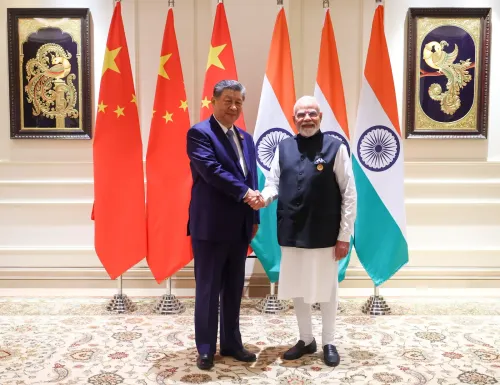
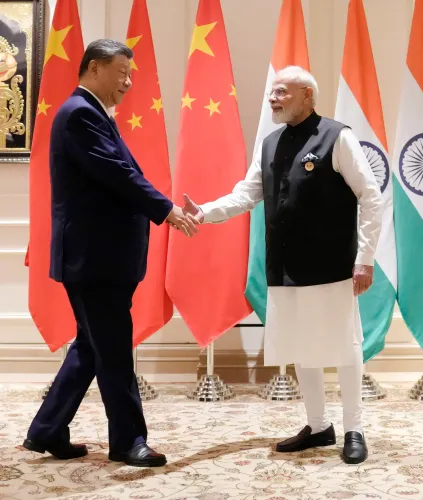
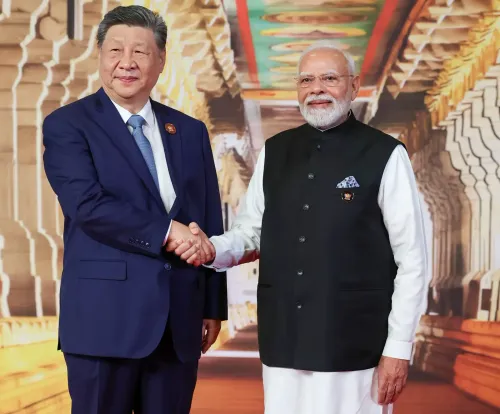
PM Narendra Modi and Chinese President Xi Jinping raised these issues directly at their bilateral on the sidelines of the BRICS Summit 2026 in New Delhi.
The MEA statement specifically cited 'structural trade imbalance, supply chain issues, and meaningful market access' as shared priorities.
Key Indian export categories flagged include engineering goods, electronics, petroleum products, and chemicals .
Xi's New Delhi visit is his first to India in nearly seven years and the third consecutive year of Modi-Xi bilateral meetings.
Further talks between officials are expected as both sides work toward a more balanced trading relationship.
Commerce Secretary Rajesh Agarwal said on Monday, 15 September 2026, that India and China are actively working to address concerns over bilateral trade, including the structural imbalance and supply-chain challenges that have long strained the economic relationship between Asia's two largest economies.
What Officials Said
Agarwal told reporters in New Delhi that the two countries are exploring concrete measures to narrow the trade gap and make cross-border commerce more equitable. 'Both sides are working to address trade concerns,' the Commerce Secretary said, adding that structural issues surrounding the trade deficit and supply chains were being examined in detail.
He identified engineering goods, electronics, petroleum products, and chemicals as the key categories currently driving India's exports to China — segments where New Delhi hopes to expand its footprint further.
Modi-Xi Bilateral: What the MEA Statement Said
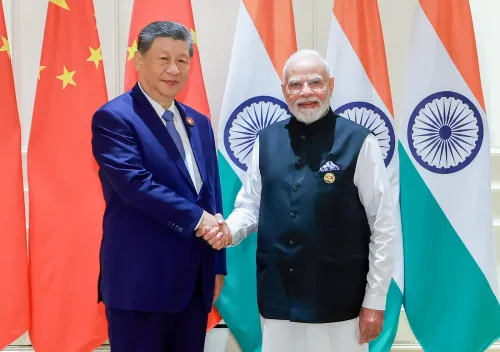
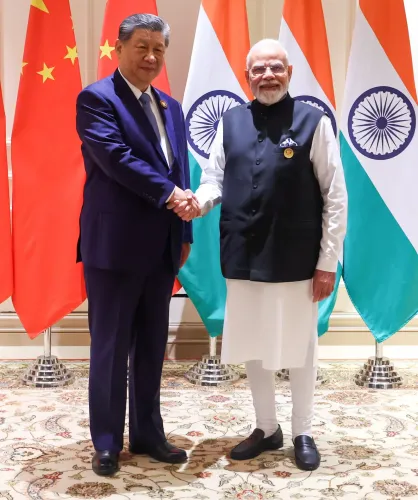
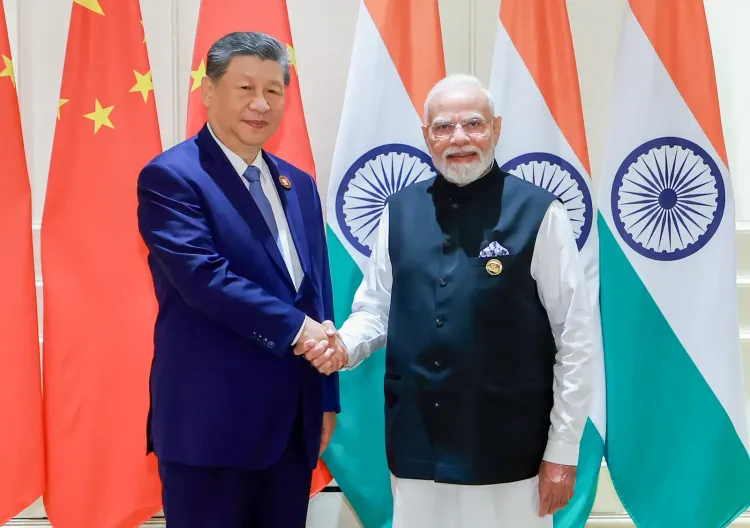
The Commerce Secretary's remarks follow a high-stakes bilateral meeting between Prime Minister Narendra Modi and Chinese President Xi Jinping on the sidelines of the BRICS Summit 2026 in New Delhi last weekend. A statement issued by the Ministry of External Affairs (MEA) said the two leaders underlined the need to address each other's concerns, specifically citing 'structural trade imbalance and supply chain issues, and facilitation of meaningful and predictable market access.'
The MEA statement added that the two leaders 'took note of the progress in people-to-people ties and underscored the need to further promote cultural exchanges, business linkages and greater mobility between the two countries.'
Xi's First India Visit in Nearly Seven Years
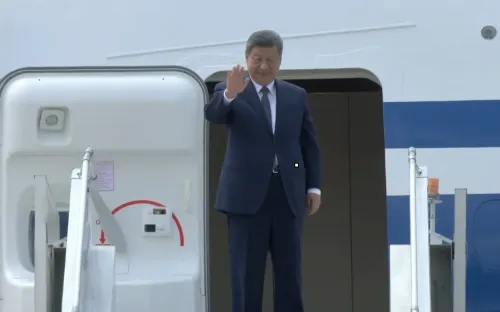
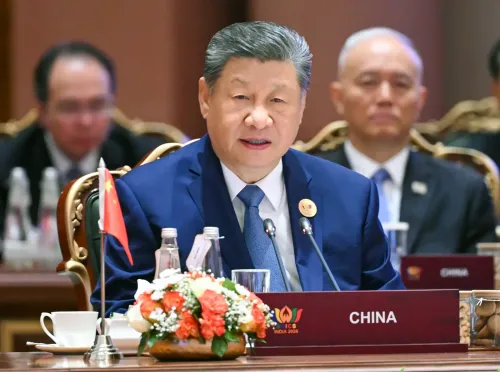
The New Delhi meeting marks President Xi's first visit to India in nearly seven years and the third consecutive year in which the two leaders have held bilateral talks, following previous meetings in Kazan and Tianjin. Xi noted during the summit that 'China-India relations have developed, with both sides keeping in mind the long-term development of bilateral relations from a strategic perspective.' He also said that despite their differences, the two countries have been able to 'support and help each other to achieve common development.'
The Trade Imbalance at the Core
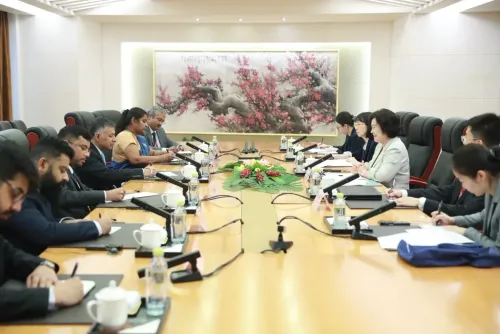
India imports substantially more goods from China than it exports, a chronic structural gap that New Delhi has repeatedly flagged at diplomatic levels. The BRICS meeting held in New Delhi last week provided a fresh diplomatic channel for senior officials from both sides to table these trade concerns formally, with further rounds of talks expected in the coming weeks.
India has been specifically seeking greater market access for Indian products in China as part of a broader strategy to diversify and strengthen its export base — a priority that appears to have found direct mention at the leaders' level for the first time in this cycle of engagement.
What Comes Next
With senior officials now tasked to follow through on the Modi-Xi mandate, the focus will shift to whether the working-level engagement translates into tangible market-access concessions from Beijing. Analysts note that previous rounds of trade dialogue have produced process commitments more readily than outcome-level results, making this iteration a critical test of renewed diplomatic momentum.
Point of View
But who said it and where. Elevating the trade imbalance to a Modi-Xi agenda item — backed by an MEA statement that names 'structural trade imbalance' explicitly — is a meaningful diplomatic shift. Yet the pattern from previous India-China economic dialogues is one of process over outcomes: working groups are formed, timelines slip, and market access pledges remain aspirational. India's export basket to China — engineering goods, chemicals, petroleum — is also not the high-value access that Indian industry most covets. The harder test will be whether Beijing agrees to open sectors like pharmaceuticals, IT services, and agricultural products, none of which featured in Monday's readout. The optimism from the BRICS sidelines must be weighed against a decade of structural asymmetry that diplomatic goodwill alone has not moved.
NationPress
15 Sept 2026
Frequently Asked Questions
What did Commerce Secretary Rajesh Agarwal say about India-China trade?
Commerce Secretary Rajesh Agarwal said on 15 September 2026 that India and China are actively working to address bilateral trade concerns, including the structural trade deficit and supply-chain challenges. He identified engineering goods, electronics, petroleum products, and chemicals as key Indian export categories to China.
What did Modi and Xi agree on trade at the BRICS Summit 2026?
Prime Minister Narendra Modi and Chinese President Xi Jinping, at their bilateral on the sidelines of the BRICS Summit 2026 in New Delhi, underlined the need to address structural trade imbalance, supply chain issues, and facilitate meaningful and predictable market access, according to the Ministry of External Affairs.
Why is the India-China trade imbalance a concern for New Delhi?
India imports substantially more goods from China than it exports, creating a chronic structural deficit. New Delhi has repeatedly sought greater access for Indian products in the Chinese market as part of a strategy to diversify its export base and reduce one-sided dependency.
How significant is Xi Jinping's India visit in 2026?
Xi Jinping's visit to New Delhi for BRICS Summit 2026 is his first to India in nearly seven years, making it diplomatically significant. It is also the third consecutive year in which Modi and Xi have held bilateral talks, following earlier meetings in Kazan and Tianjin.
What are the next steps after the India-China trade talks?
Senior officials from both countries are expected to hold further rounds of talks following the BRICS meeting in New Delhi. The focus will be on translating leadership-level commitments on trade imbalance and market access into concrete, working-level outcomes.