India to lead global robotic surgery by 2030, says JP Nadda
Synopsis
India's robotic surgery numbers have nearly quintupled in four years — from under 9,000 procedures nationally in 2021 to nearly 45,000 in 2025. With Delhi-NCR now home to 39 robotic-equipped hospitals and senior experts projecting India could overtake the US by 2030, the country's surgical robotics ecosystem is moving from fringe to mainstream faster than most anticipated.
Key Takeaways
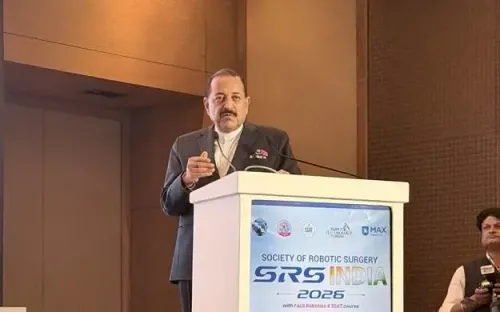
JP Nadda addressed the Society of Robotic Surgery (SRS) international conference on 3 October 2026 , calling India a rising global hub for robotic surgery.
Robotic-assisted procedures in Delhi-NCR rose nearly five-fold — from 2,257 in 2021 to 10,937 in 2025 .
Nationally, robotic procedures climbed from 8,912 to 44,857 over the same period.
39 hospitals in Delhi-NCR have robotic systems; 11 operate more than one unit, making it India's leading hub.
Experts project India could become a global leader in robotic surgery by 2030 , potentially surpassing the United States .
Top specialities include general surgery ( 33% ), urology ( 30.2% ), and gynaecology ( 22.1% ) in Delhi-NCR.
Union Minister for Health and Family Welfare JP Nadda on 3 October 2026 declared that India is positioned to become a global leader in robotic surgery, citing the country's rapid strides in artificial intelligence, digital health, and surgical robotics. Speaking virtually at an international conference on robotic surgery organised by the Society of Robotic Surgery (SRS) in New Delhi, Nadda said the country stands at an 'exciting juncture in healthcare innovation.'
Key Developments at the SRS Conference
'India stands at an exciting juncture in healthcare innovation, with our strength in technology, artificial intelligence, digital health and a rapidly expanding ecosystem of surgical robotics,' Nadda said in his address. He added that India holds the opportunity to 'innovate, develop and lead this future technology.'
The conference spotlighted a near five-fold rise in robotic-assisted procedures in Delhi-NCR — from 2,257 in 2021 to 10,937 in 2025. At the national level, the jump was even more striking: from 8,912 to 44,857 procedures over the same period, according to data presented at the event.
Delhi-NCR Emerges as India's Robotic Surgery Hub
Approximately 39 hospitals in the Delhi-NCR region now have robotic systems installed, with 11 hospitals operating more than one such system — making the region the country's leading hub for robotic-system installations and surgical volumes. The growth has been broad-based across specialities: 33% of robotic procedures in Delhi-NCR in 2025 were general surgery-benign cases, followed by 30.2% in urology, 22.1% in gynaecology, and 10% in general surgery-malignant procedures. Additional procedures were recorded in head and neck, thoracic, and cardiac surgery.
'Delhi has reached this position because of the combined efforts of pioneering surgeons, high-volume hospitals and multidisciplinary teams that have steadily integrated robotic technology into complex surgical care,' said Dr. Vivek Bindal, Organising Chairman, SRS India, and Principal Director and Head, Department of Minimal Access, Bariatric and Robotic Surgery, Max Hospital.
India's Global Ambitions by 2030
India has the potential to emerge as a global leader in robotic surgery by 2030 and potentially surpass established leaders such as the United States, according to Dr. Anup Kumar, Organising Chairman (Urology) and Head of the Department of Urology, Robotic and Renal Transplant at Safdarjung Hospital. This comes amid a broader national push to position India as a hub for medical tourism and advanced healthcare delivery, aligning with the government's wider digitalisation and innovation agenda.
What This Means for Indian Healthcare
The surge in robotic-assisted surgeries reflects a structural shift in how complex procedures are performed in India — with faster recovery times, greater precision, and reduced risk of complications compared with conventional open surgeries. Notably, the growth is no longer confined to private super-specialty hospitals; public institutions like Safdarjung Hospital are also active participants. Experts at the conference said the next phase of expansion will depend on training more robotic surgeons, reducing equipment costs, and extending access beyond metros. The trajectory, if sustained, could reshape India's position in global medical travel and surgical outcomes within the decade.
Point of View
But the 2030 'surpass the US' claim deserves scrutiny — the United States performs several hundred thousand robotic surgeries annually, a gap India has yet to close even with its growth rate sustained. The more significant story is structural: public hospitals like Safdarjung are now running robotic programmes, which signals a democratisation of the technology beyond elite private care. The critical bottleneck ahead is not hardware but trained surgeons and equipment affordability — factors the minister's address did not address. If those constraints go unresolved, India risks building an impressive headline statistic that benefits only patients in a handful of metros.
NationPress
3 Oct 2026
Frequently Asked Questions
What did JP Nadda say about India and robotic surgery?
Union Minister JP Nadda said India stands at an 'exciting juncture in healthcare innovation' and holds the opportunity to lead the future of surgical robotics globally. He made these remarks virtually at the Society of Robotic Surgery international conference on 3 October 2026 in New Delhi.
How much has robotic surgery grown in India?
Nationally, robotic-assisted procedures grew from 8,912 in 2021 to 44,857 in 2025 — roughly a five-fold increase. In Delhi-NCR alone, the numbers rose from 2,257 to 10,937 over the same period.
Why is Delhi-NCR considered India's robotic surgery capital?
Delhi-NCR leads the country with 39 hospitals equipped with robotic systems, of which 11 have more than one unit. The region also logs the highest volume of robotic procedures nationally, across specialities ranging from urology to gynaecology and cardiac surgery.
Can India really surpass the US in robotic surgery by 2030?
Dr. Anup Kumar of Safdarjung Hospital said India has the potential to emerge as a global leader in robotic surgery by 2030 and potentially surpass the United States. However, this projection depends on sustaining current growth rates, expanding surgeon training, and reducing equipment costs — challenges that experts at the conference acknowledged remain significant.
Which surgical specialities use robotic systems most in India?
In Delhi-NCR in 2025, general surgery-benign procedures accounted for 33% of robotic cases, followed by urology at 30.2%, gynaecology at 22.1%, and general surgery-malignant at 10%. Robotic procedures were also recorded in head and neck, thoracic, and cardiac surgery.