India, France push EPR reactors and pumped hydro cooperation in power talks
Synopsis
India and France moved closer on EPR nuclear reactor deployment and pumped hydro storage cooperation, with EDF pressing for a multi-reactor programme to unlock supply-chain economies of scale. Against the backdrop of the new SHANTI Act and Nuclear Energy Mission, India is attempting to leap from 8.78 GW to 100 GW of nuclear capacity by 2047 — one of the most ambitious energy pivots any country has announced this decade.
Key Takeaways
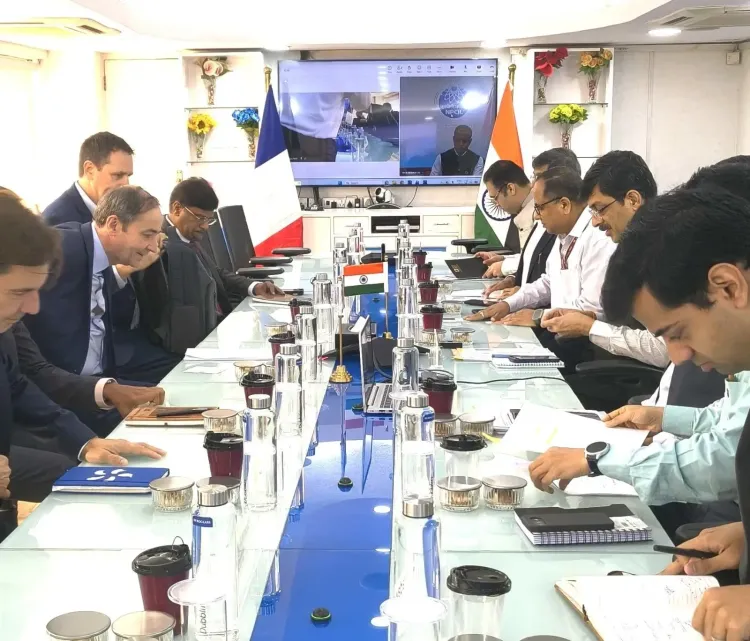
Pankaj Agarwal (Ministry of Power) and Bernard Fontana (CEO, EDF) held bilateral energy talks on 25 September 2026 .
EDF is pushing for a sizeable multi-reactor EPR programme in India to build a local supply chain and enable economies of scale.
India's Draft SHANTI Rules will create a streamlined, time-bound licensing framework allowing private and foreign partners in the nuclear sector.
The proposed NTPC-EDF joint venture on pumped hydro storage was also discussed, linking nuclear and renewables balancing strategy.
India currently has 8.78 GW of nuclear capacity across 24 reactors , with 7.5 GW more under construction, targeting 100 GW by 2047 .
Recent policies — Nuclear Energy Mission (2025–26) and the SHANTI Act, 2025 — are accelerating capacity expansion and private participation.
India and France on 25 September 2026 held high-level discussions on the deployment of EPR (European Pressurised Reactor) technology, nuclear regulatory reforms, and cooperation on pumped hydro storage projects, according to an official statement. The talks signal a deepening of the bilateral energy partnership as India races toward its target of 100 GW of nuclear power capacity by 2047.
Key Developments from the Meeting
The talks were held between Pankaj Agarwal, Secretary, Ministry of Power, and Bernard Fontana, Chairman and Chief Executive Officer of EDF (Électricité de France). The two sides reviewed the ongoing engagement on the proposed deployment of EPR reactors in India.
According to the official statement, EDF briefed the Indian side on its efforts to build an ecosystem and supply chain within India to enable large-scale localisation. Fontana reiterated that a sizeable programme involving multiple nuclear reactors would give suppliers the confidence needed and enable economies of scale by leveraging India's industrial capabilities.
India's Regulatory Framework Takes Shape
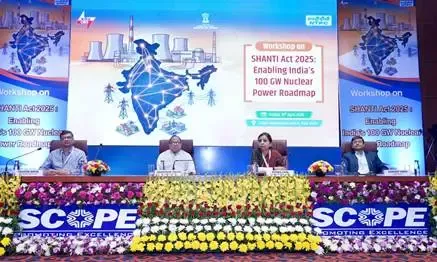
Agarwal updated the French delegation on progress in finalising India's regulatory framework for the nuclear power sector, including the Draft SHANTI (Sustainable Harnessing and Advancement of Nuclear Energy for Transforming India) Rules and Regulations. These rules are designed to provide a streamlined, time-bound licensing framework and, critically, enable participation of private and foreign partners in India's nuclear power programme — a structural shift from the historically state-dominated sector.
This comes amid a broader set of recent policy initiatives, including the Nuclear Energy Mission (2025–26) and the SHANTI Act, 2025, which are collectively aimed at accelerating capacity expansion, strengthening domestic manufacturing, and promoting greater private sector participation.
Pumped Hydro and the NTPC-EDF Joint Venture
Beyond nuclear, the two sides also discussed cooperation on pumped hydro storage projects, building on the proposed joint venture between NTPC and EDF in this area. Pumped hydro is increasingly seen as a critical balancing technology as India scales its renewable energy capacity, making this a strategically important dimension of the partnership.
India's Nuclear Capacity: Where It Stands
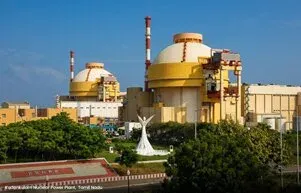
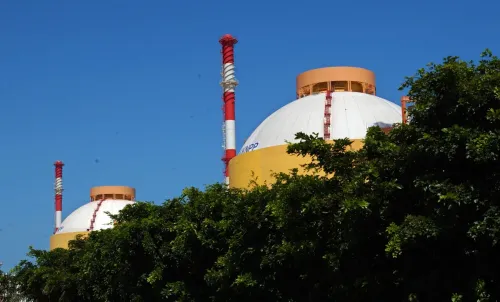
India currently operates 24 nuclear power reactors with a total installed capacity of 8.78 GW. An additional nine reactor units with a combined capacity of 7.5 GW are currently under construction. The government has also approved 10 indigenous Pressurized Heavy Water Reactors (PHWRs) in fleet mode and pre-project activities for two 500 MW Fast Breeder Reactors (FBRs).
India's nuclear strategy is guided by a principle of technological self-reliance, developed in part to overcome historical fuel embargoes, while positioning the country to eventually harness its vast thorium reserves.
What Comes Next
The finalisation of the SHANTI Rules and the advancement of the NTPC-EDF joint venture on pumped hydro will be closely watched as indicators of how quickly this bilateral framework translates into on-ground projects. With India's 100 GW nuclear target by 2047 demanding a sharp acceleration from the current 8.78 GW base, the pace of regulatory and commercial closure on EPR deployment will be a defining test of this partnership's depth.
Point of View
India's nuclear sector was a closed state preserve, and foreign players like EDF circled without being able to land. The SHANTI Act and the draft Rules are the first credible framework that could change that. EDF's insistence on a multi-reactor programme is commercially rational: single-reactor deals do not justify the supply-chain investment. The question is whether India's regulatory finalisation keeps pace with its ambition. The gap between 8.78 GW today and 100 GW by 2047 is enormous, and no amount of bilateral goodwill closes it without a fast, predictable licensing regime that private and foreign capital can actually bank on.
NationPress
25 Sept 2026
Frequently Asked Questions
What did India and France discuss in their 25 September 2026 power sector talks?
India and France discussed the deployment of EPR nuclear reactor technology, progress on India's SHANTI nuclear regulatory framework, and cooperation on pumped hydro storage projects including the proposed NTPC-EDF joint venture. The talks were held between Power Secretary Pankaj Agarwal and EDF CEO Bernard Fontana.
What is the SHANTI Act and why does it matter for India's nuclear sector?
The SHANTI (Sustainable Harnessing and Advancement of Nuclear Energy for Transforming India) Act, 2025, along with its draft Rules, creates a streamlined, time-bound licensing framework for India's nuclear power sector. Crucially, it allows private and foreign partners to participate in India's nuclear programme for the first time, opening the door to deals with companies like EDF.
What is India's current nuclear power capacity and its 2047 target?
India currently operates 24 nuclear reactors with a total installed capacity of 8.78 GW, with nine additional units totalling 7.5 GW under construction. The government has set a target of 100 GW of nuclear power capacity by 2047.
What is the NTPC-EDF joint venture and what does it cover?
The proposed NTPC-EDF joint venture focuses on pumped hydro storage projects in India. Pumped hydro is a key grid-balancing technology as India scales up renewable energy, and the venture represents a broadening of the India-France energy partnership beyond nuclear power alone.
Why is EDF pushing for a multi-reactor EPR programme in India?
EDF has stated that a sizeable programme with multiple nuclear reactors would give component suppliers the confidence to invest in localisation and enable economies of scale by leveraging Indian industry's manufacturing capabilities. A single-reactor order would not justify the supply-chain investment needed for large-scale localisation.