India-New Zealand FTA: Zero-duty access, $20 bn investment deal takes effect
Synopsis
The India-New Zealand FTA is now live — and its headline offer of zero-duty access for Indian goods could reshape export economics for sectors from pharmaceuticals to gems. With a $20 billion investment pledge and a NZ$7 billion bilateral trade target by 2030, this is among the most wide-ranging Pacific trade deals India has signed in recent years.
Key Takeaways
The India-New Zealand Free Trade Agreement (FTA) has come into effect, granting zero-per-cent duty on Indian goods exported to New Zealand.
New Zealand has committed to facilitating $20 billion in investments into India under the pact.
Both nations have set a bilateral trade target of NZ$7 billion by 2030 , covering goods and services.
Key beneficiary sectors include automobiles , pharmaceuticals , textiles , gems and jewellery , engineering goods , and processed food .
CAIT says the agreement will benefit MSMEs , artisans, farmers, women entrepreneurs, and India's nine crore traders .
The pact also expands opportunities for Indian professionals and youth in New Zealand.
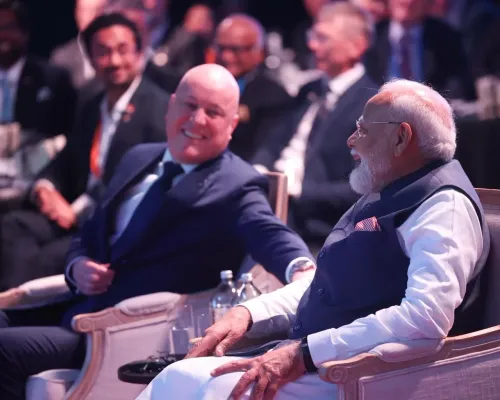
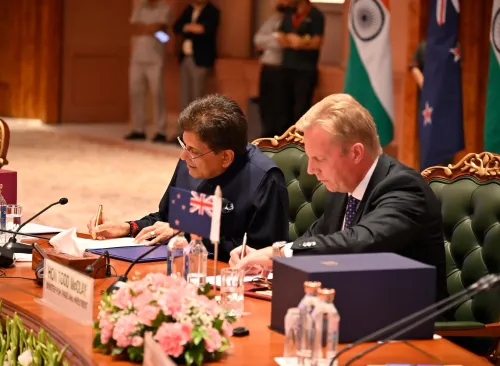
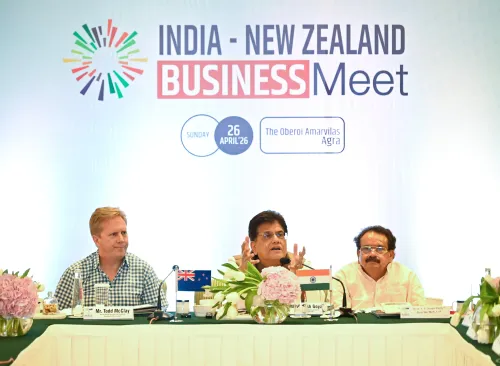
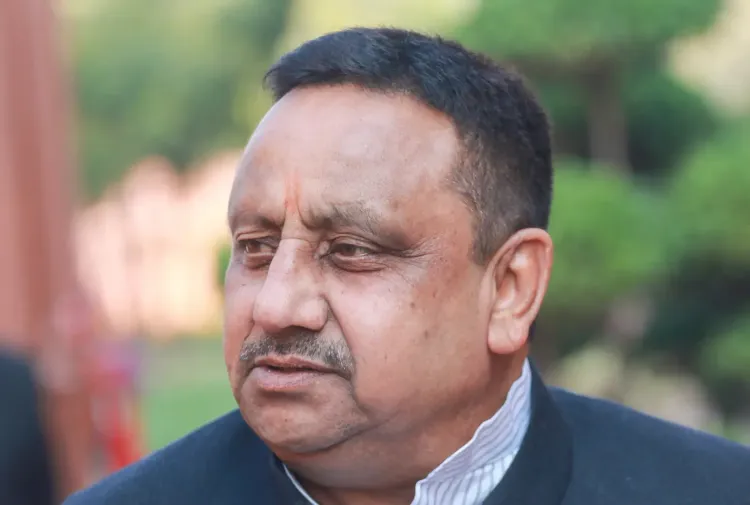
The India-New Zealand Free Trade Agreement (FTA) has come into effect, delivering zero-per-cent duty on Indian goods exported to New Zealand and unlocking a $20 billion investment commitment — a development that Confederation of All India Traders (CAIT) Secretary General and Chandni Chowk MP Praveen Khandelwal described on Tuesday as Prime Minister Narendra Modi's Dussehra gift to India's business community.
Key Features of the Agreement
The centrepiece of the pact is zero-duty access for Indian goods in the New Zealand market, which is expected to make Indian products significantly more competitive globally. Under the agreement, New Zealand has also committed to facilitating $20 billion in investments into India, while expanding pathways for Indian professionals and youth.
Both nations have set a bilateral trade target — covering goods and services — of NZ$7 billion by 2030, up from current levels, with industry representatives projecting gains in exports, employment, and economic growth.
Sectors Set to Benefit
According to CAIT, the agreement opens significant export opportunities across a broad range of Indian industries. Sectors identified as primary beneficiaries include automobiles and auto components, grains and pulses, electronics, electrical goods, pharmaceuticals, textiles and apparel, leather and footwear, gems and jewellery, engineering goods, chemicals, agricultural produce, and processed food products.
The zero-duty regime is also expected to boost MSMEs, artisans, farmers, women entrepreneurs, and exporters, according to CAIT's assessment.
What Khandelwal Said
'I am confident that traders, industries and small artisans across the country will gain significant business opportunities through exports. On behalf of the country's nine crore traders, I extend my Vijayadashami greetings and thank Prime Minister Narendra Modi for this initiative,' Khandelwal said.
He described the FTA as a reflection of India's growing manufacturing strength and said it supports the national visions of 'Local to Global', 'Aatmanirbhar Bharat', and 'Viksit Bharat'. He urged traders, manufacturers, and MSMEs to leverage the pact to expand the global footprint of 'Made in India' products.
Broader Trade and Diplomatic Context
This comes amid India's accelerating push to diversify its export markets through bilateral trade pacts. India has signed or concluded FTAs with the UAE, Australia, and the European Free Trade Association (EFTA) in recent years, with negotiations ongoing with the European Union and the UK. The New Zealand agreement adds a Pacific partner to this growing network.
Notably, India and New Zealand had engaged in FTA talks for over a decade before the current iteration reached conclusion. Khandelwal argued that the pact demonstrates how Modi's trade-focused diplomacy is helping Indian businesses access new global markets while continuing to safeguard sensitive domestic sectors.
What Comes Next
With the agreement now in force, industry bodies and trade associations are expected to begin outreach programmes to help MSMEs and exporters understand tariff schedules and market-entry requirements in New Zealand. The bilateral trade target of NZ$7 billion by 2030 will serve as the key benchmark against which the pact's success is measured in the years ahead.
Point of View
But the gains will depend almost entirely on whether Indian MSMEs — historically under-equipped for export compliance — can navigate New Zealand's standards and certification requirements. The $20 billion investment figure also needs scrutiny: 'facilitating' investment is not the same as committing it, and past trade agreements with similar investment pledges have frequently underdelivered. India's FTA pipeline is now expansive, but utilisation rates on existing pacts — particularly with ASEAN — have been disappointingly low. The true test of this deal is not the signing, but whether exporters, especially from the artisan and MSME segments CAIT represents, can actually move product at scale.
NationPress
20 Oct 2026
Frequently Asked Questions
What is the India-New Zealand Free Trade Agreement?
The India-New Zealand Free Trade Agreement (FTA) is a bilateral trade pact that grants zero-per-cent customs duty on Indian goods exported to New Zealand, alongside a commitment from New Zealand to facilitate $20 billion in investments into India. The deal also sets a bilateral trade target of NZ$7 billion by 2030 and opens new opportunities for Indian professionals in New Zealand.
Which Indian sectors benefit most from the India-NZ FTA?
Key beneficiary sectors include automobiles and auto components, pharmaceuticals, electronics, textiles and apparel, gems and jewellery, leather and footwear, engineering goods, grains and pulses, chemicals, and processed food products. MSMEs, artisans, farmers, and women entrepreneurs are also expected to gain from expanded export access.
What is the bilateral trade target under the India-New Zealand FTA?
India and New Zealand have set a target of achieving bilateral trade in goods and services worth NZ$7 billion by 2030. The zero-duty access on Indian goods is intended to be a primary driver of this growth.
What did CAIT Secretary General Praveen Khandelwal say about the FTA?
Khandelwal, who is also the Chandni Chowk MP, called the FTA a Dussehra gift from Prime Minister Narendra Modi to India's nine crore traders. He expressed confidence that the agreement would generate significant export opportunities for traders, industries, and small artisans, and urged MSMEs to leverage it to expand the 'Made in India' global footprint.
How does the India-New Zealand FTA fit into India's broader trade strategy?
The India-New Zealand FTA is part of India's accelerating effort to diversify export markets through bilateral pacts, following agreements with the UAE, Australia, and the European Free Trade Association (EFTA). Negotiations with the EU and UK are ongoing, and the New Zealand pact adds a Pacific partner to India's expanding FTA network.