India's 300 crore domestic trips buffer tourism from global shocks: Shekhawat
Synopsis
India's domestic tourism clocked nearly 300 crore trips in a year — and that figure doesn't even include the 66-crore Kumbh visits. Tourism Minister Gajendra Singh Shekhawat says this scale makes India's sector uniquely shock-proof against global conflicts, while foreign tourists staying an average 10 days generate 20 crore tourist nights from just 2 crore arrivals.
Key Takeaways
India recorded nearly 300 crore domestic trips in the past year, excluding the 66 crore visits attributed to the Kumbh gathering.
Union Minister Gajendra Singh Shekhawat said India's large domestic travel base insulates the sector from geopolitical shocks such as the Russia-Ukraine war and West Asia conflicts.
Foreign tourists visiting India stay an average of at least 10 days , generating nearly 20 crore tourist nights from approximately 2 crore annual arrivals.
EAC-PM member Sajeev Sanyal said the past 12 years under the Modi government have reshaped how Indians engage with their civilisational heritage.
The statements were made at the NDTV Ignite Summit in New Delhi on 13 June .
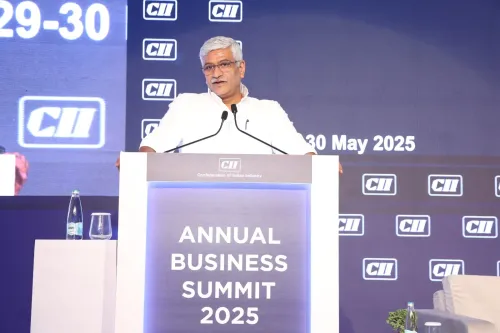
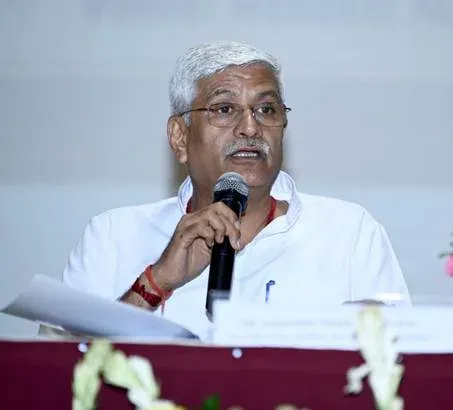
India recorded nearly 300 crore domestic trips over the past year, underscoring the resilience of the country's tourism sector against global geopolitical and economic disruptions, Union Minister of Culture and Tourism Gajendra Singh Shekhawat said on 13 June. Speaking at the NDTV Ignite Summit in New Delhi, Shekhawat argued that the sheer scale of India's domestic travel base makes the sector uniquely insulated from external shocks.
What the 300 Crore Figure Covers
The minister clarified that the 300 crore figure encompasses all categories of domestic travel — leisure, social visits, weddings, and medical trips — counting any instance where a person travels, stays overnight, and returns. 'The number of people travelling domestically in India... it can be leisure, social, wedding or medical travel. If a person goes out, stays in a hotel and returns, it counts as a trip. The number of such trips is 300 crore,' Shekhawat said.
Notably, this figure excludes travel linked to the recent Kumbh gathering, which independently drew an estimated 66 crore visits — underscoring just how vast India's overall travel activity is when both are considered together.
Why Global Crises Have Limited Impact on India's Tourism
Shekhawat pointed to ongoing conflicts in West Asia and the Russia-Ukraine war as examples of disruptions that have rattled global tourism markets. He argued, however, that India's large domestic travel base provides a significant cushion against such external volatility.
'India is one of those fortunate countries whose domestic travel and tourism have such great power that it will not have any major impact on our industry,' he stated. This comes amid a broader global trend where destinations heavily reliant on international arrivals — particularly in Europe and Southeast Asia — have faced sharper downturns during geopolitical flare-ups.
Foreign Tourist Stays: Quality Over Quantity
The minister also pushed back against measuring tourism strength purely by arrival numbers. Comparing India with high-footfall destinations such as Thailand and Dubai, Shekhawat noted that foreign visitors to India tend to stay significantly longer.
According to him, the average foreign tourist stay in India is a minimum of 10 days. With approximately 2 crore foreign tourists visiting annually, this translates into nearly 20 crore tourist nights — a metric that more accurately reflects the economic contribution of international tourism than raw arrival counts alone.
EAC-PM on India's Civilisational Tourism Narrative
Sajeev Sanyal, member of the Economic Advisory Council to the Prime Minister (EAC-PM), also addressed the summit, arguing that the past 12 years under the Modi government have brought India's civilisational legacy to the forefront of public consciousness. Sanyal said Indians had previously tended to view their history primarily through the lens of conquests and invasions, often overlooking the country's own achievements. He credited a shift in this perspective — toward recognising India as a nation of explorers, adventurers, and innovators — to Prime Minister Narendra Modi.
What This Means for India's Tourism Outlook
The data points presented at the summit collectively paint a picture of a tourism sector with deep structural demand, driven overwhelmingly by domestic travellers rather than international arrivals. As global uncertainty persists, industry observers will be watching whether policy frameworks — infrastructure investment, hospitality capacity, and regional connectivity — can scale to match the volume of trips already being made. The government's next steps on tourism infrastructure and visa facilitation are expected to be key indicators of how it intends to convert this demand into sustained economic output.
Point of View
But its methodological breadth — counting any overnight trip regardless of purpose — makes it a measure of mobility as much as tourism. The more revealing number is the 20 crore tourist nights generated by just 2 crore foreign arrivals; that yield-per-visitor metric is where India's real competitive argument lies. What the minister did not address is whether infrastructure — hotels, roads, airports in Tier-2 and Tier-3 destinations — is expanding fast enough to absorb and monetise this volume. Demand without supply-side investment risks concentrating tourism revenue in the same handful of cities, leaving the resilience story incomplete.
NationPress
27 Oct 2026
Frequently Asked Questions
What does India's 300 crore domestic trips figure include?
The 300 crore figure covers all categories of domestic travel — leisure, social visits, weddings, and medical trips — where a person travels, stays overnight, and returns. It does not include the approximately 66 crore visits recorded during the Kumbh gathering.
Why is India's tourism sector considered insulated from global crises?
According to Tourism Minister Gajendra Singh Shekhawat, India's exceptionally large domestic travel base means the sector is not heavily dependent on international arrivals, which are more vulnerable to geopolitical disruptions such as the Russia-Ukraine war and West Asia conflicts.
How long do foreign tourists typically stay in India?
Foreign tourists visiting India stay for an average of at least 10 days, according to Minister Shekhawat. With around 2 crore foreign tourists annually, this generates nearly 20 crore tourist nights — a higher economic yield per visitor than many competing destinations.
Who is Sajeev Sanyal and what did he say at the NDTV Ignite Summit?
Sajeev Sanyal is a member of the Economic Advisory Council to the Prime Minister (EAC-PM). At the summit, he argued that the past 12 years under the Modi government have brought India's civilisational legacy to the forefront, shifting public perception of Indian history away from a focus on conquests toward recognition of India's role as a nation of explorers and innovators.
Where and when were these statements made?
Union Minister Gajendra Singh Shekhawat and EAC-PM member Sajeev Sanyal made these remarks at the NDTV Ignite Summit held in New Delhi on 13 June.