India's space station BAS-01 module to launch by 2028; proto hardware underway
Synopsis
India has crossed a tangible milestone in its space station ambitions — proto hardware for BAS-01 is now in development, with the first module of the Bharatiya Antariksh Station confirmed for a 2028 launch. With docking and refuelling tech demonstrated and indigenous flight-suit development approved, India is quietly assembling the building blocks for a fully self-reliant crewed space station by 2035.
Key Takeaways
India's first space station module, BAS-01 , is confirmed for launch by 2028 ; the full Bharatiya Antariksh Station targets completion by 2035 .
31 baseline design documents have been released and proto hardware development is now in progress.
Precursor missions TV-D1 , IADT-01 , and IADT-02 completed; first uncrewed mission G1 is in advanced preparation.
A concept demonstration model of a refuelling mechanism has been successfully tested.
Government has approved indigenous development of flight suit , view port , crew seat , and docking technology — currently sourced externally for Gaganyaan.
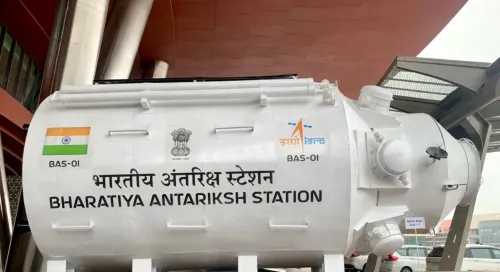
India's first indigenous space station, the Bharatiya Antariksh Station (BAS), is on track to see the launch of its first module, BAS-01, by 2028, the government confirmed on Thursday, 30 July. The five-module station is targeted for full establishment by 2035, making it one of the most ambitious long-duration human spaceflight projects in India's history.
Design and Development Status
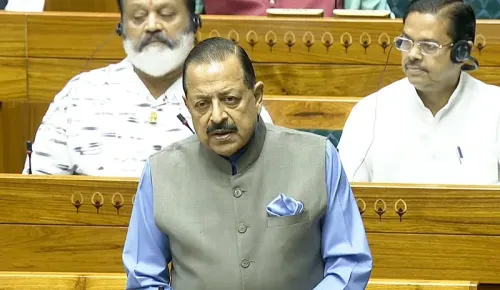
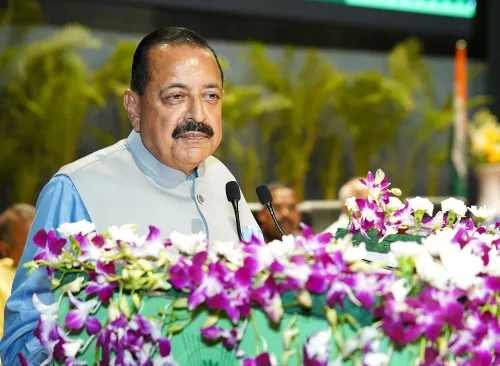
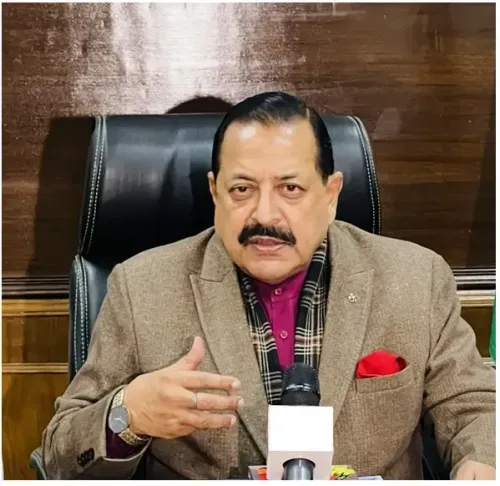
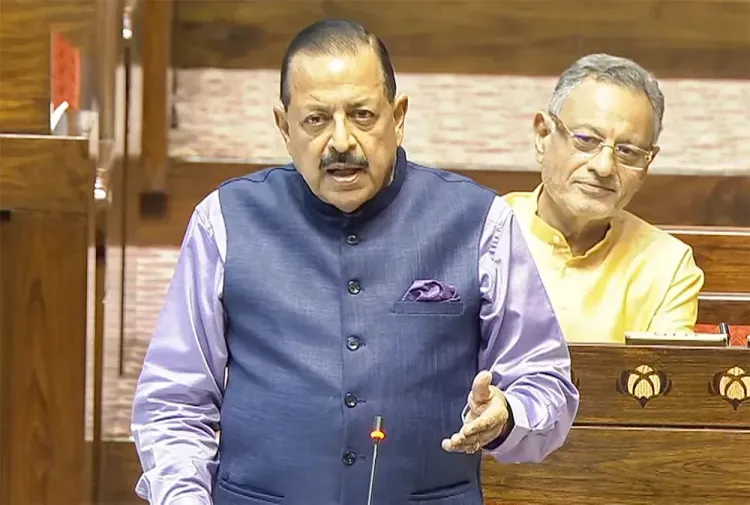
Union Minister of State for Atomic Energy and Space Dr. Jitendra Singh told the Rajya Sabha that the baseline design review and system engineering for BAS-01 have been completed. A total of 31 baseline design documents have been released, subsystem design work has commenced, and development of proto hardware for the human space programme is currently in progress.
Notably, this marks the transition from planning to physical hardware — a critical milestone that signals the programme has moved beyond paper designs into tangible engineering.
Gaganyaan Precursor Progress
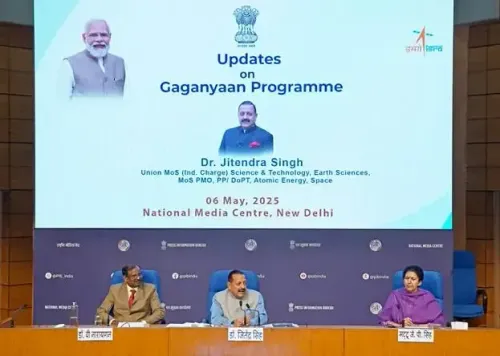
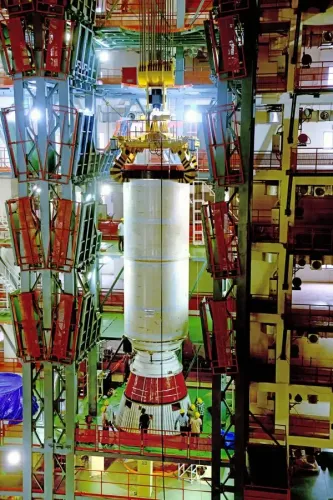
As part of the Gaganyaan programme — India's crewed spaceflight initiative — significant advances have been made across key systems. These include the Human Rated Launch Vehicle (HLVM3), the Orbital Module, the Crew Escape System, ground infrastructure, flight operations and communication networks, and crew recovery operations.
Precursor missions TV-D1, IADT-01, and IADT-02 have been successfully accomplished. Activities for the first uncrewed mission, G1, are now in advanced stages, according to Dr. Singh.
Docking and Refuelling Breakthroughs
Docking systems — covering both electrical and mechanical interfaces — have been worked out. Crucially, the concept demonstration model of a refuelling mechanism has been successfully demonstrated, a capability essential for sustaining a multi-module space station over extended periods.
This comes amid India's broader push to develop end-to-end in-house competencies for orbital operations, reducing dependence on foreign partners for mission-critical functions.
Indigenous Technologies Being Developed
The government has identified and approved indigenous development of several critical human spaceflight technologies. These include the flight suit, view port, crew seat, and docking technology. For current Gaganyaan missions, these components are being sourced from external parties, but the long-term plan is full domestic production.
'These initiatives will establish the technological foundation for indigenous design and development of the remaining four modules of BAS,' Dr. Singh stated in the Rajya Sabha. He added that the effort will build self-reliance in critical human spaceflight technologies, fostering innovation and high-technology manufacturing.
What Comes Next
With BAS-01 targeted for a 2028 launch and the full station expected to be operational by 2035, India joins a select group of nations — including the United States, Russia, and China — pursuing independent crewed space station capability. The success of the G1 uncrewed mission will be a key near-term indicator of programme readiness ahead of the first crewed Gaganyaan flight.
Point of View
India's track record on long-duration human spaceflight timelines warrants scrutiny: Gaganyaan itself has faced repeated schedule slippages since its original 2022 target. The decision to source critical items like flight suits and crew seats from external parties for Gaganyaan, while simultaneously approving indigenous development, reflects a pragmatic but dual-track approach that carries execution risk. The real test is whether indigenous technology readiness can keep pace with the 2028 BAS-01 launch window.
NationPress
13 Sept 2026
Frequently Asked Questions
What is the Bharatiya Antariksh Station (BAS)?
The Bharatiya Antariksh Station is India's planned first indigenous space station, comprising five modules and targeted for full establishment by 2035. Its first module, BAS-01, is scheduled for launch by 2028.
What is the current status of BAS-01 development?
Baseline design review and system engineering for BAS-01 have been completed, with 31 baseline design documents released. Subsystem design work has commenced and proto hardware development is currently in progress, as confirmed by Minister Dr. Jitendra Singh in the Rajya Sabha on 30 July.
What is the Gaganyaan G1 mission?
G1 is India's first uncrewed orbital mission under the Gaganyaan human spaceflight programme. Activities for G1 are in advanced stages, following the successful completion of precursor missions TV-D1, IADT-01, and IADT-02.
Which critical technologies is India developing indigenously for its space station?
The government has approved indigenous development of the flight suit, view port, crew seat, and docking technology — all critical for human spaceflight. Currently, these are sourced from external parties for Gaganyaan missions.
Why does India need its own space station?
An indigenous space station would give India independent long-duration human spaceflight capability, reducing reliance on foreign partners for orbital research and operations. It also drives domestic high-technology manufacturing and positions India alongside the US, Russia, and China in crewed space station capability.