Fertiliser supply adequate for Kharif 2026 as India diversifies sources: Nadda
Synopsis
Despite the West Asia conflict straining ammonia, phosphoric acid, and sulphur imports, India's fertiliser supply for Kharif 2026 comfortably outpaced demand — with Urea availability hitting 163.78 LMT against a 109.40 LMT requirement. The government's quiet but systematic push on supply diversification and collective procurement may be the underreported story keeping India's farm sector insulated from global shocks.
Key Takeaways
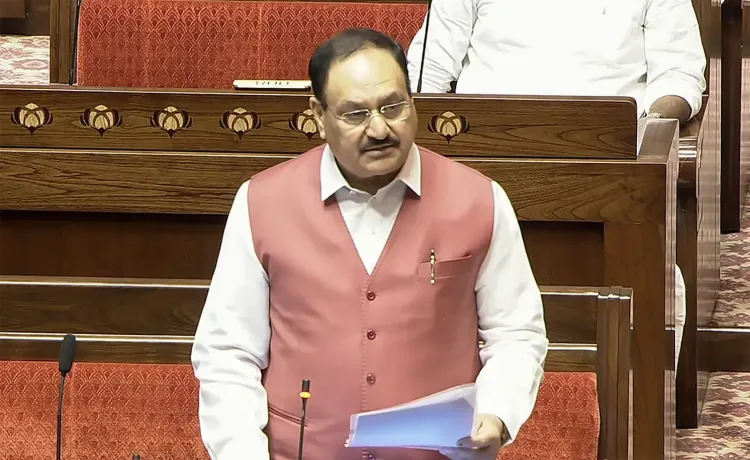
MoS Jagat Prakash Nadda told the Lok Sabha on 25 July 2025 that fertiliser availability remained adequate despite the West Asia conflict .
Urea availability reached 163.78 LMT against a requirement of 109.40 LMT during Kharif 2026 (1 April–19 July 2026).
DAP availability stood at 39.54 LMT against a requirement of 31.57 LMT .
Imports of ammonia , phosphoric acid , and sulphur were impacted; potash faced higher landed costs due to logistics disruptions.
The government used the Integrated Fertiliser Management System (iFMS) and weekly video conferences to monitor and correct supply gaps in real time.
Propylene allocation and alternative methanol sourcing were activated to address input shortages for IPA , Ammonia , and Methanol .
Fertiliser availability across India remained largely adequate during the Kharif 2026 season despite ongoing geopolitical conflict in West Asia, Minister of State for Chemicals and Fertilisers Jagat Prakash Nadda told the Lok Sabha on Friday, 25 July 2025. The government said comprehensive steps — including supply diversification, collective procurement, and a robust digital monitoring framework — have been put in place to insulate the domestic fertiliser chain from external shocks.
Key Developments in Supply Management
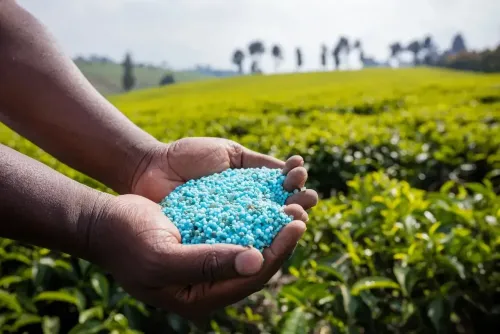
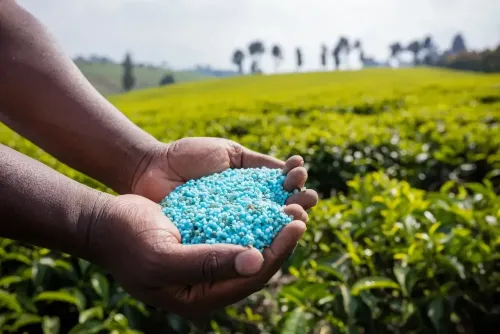
According to government data, availability comfortably exceeded requirements for all major fertiliser categories — Urea, DAP, MOP, and NPKS — during the Kharif 2026 window covering 1 April 2026 to 19 July 2026. Urea requirement stood at 109.40 lakh metric tonnes (LMT), against availability of 163.78 LMT. For DAP, a requirement of 31.57 LMT was met by availability of 39.54 LMT.
The West Asian conflict had specifically impacted India's imports of ammonia, phosphoric acid, and sulphur, while potash imports faced higher landed costs due to global logistics disruptions, the Ministry of Chemicals and Fertilisers noted.
What the Government Said
Minister Nadda outlined a multi-pronged strategy: facilitating long-term commercial arrangements between Indian fertiliser companies and overseas suppliers, engaging Indian diplomatic missions to identify alternative sourcing options, and promoting collective procurement of raw materials such as ammonia and sulphur through industry consortia to improve price discovery and bargaining power.
The Department of Agriculture and Farmers Welfare (DA&FW) coordinates with state governments to assess state-wise and month-wise fertiliser requirements. Based on these projections, the Department of Fertilisers issues monthly supply plans and continuously monitors fertiliser movement through the Integrated Fertiliser Management System (iFMS). Regular weekly video conferences are also held to review availability and take corrective action where needed.
Addressing Input Shortages
To counter temporary shortages and price increases in key inputs such as Isopropyl Alcohol (IPA), Ammonia, and Methanol, the government facilitated the allocation of propylene in coordination with the Ministry of Petroleum and Natural Gas. It also secured improved methanol supply through existing traders and by augmenting alternatives in coordination with domestic manufacturers, and facilitated the supply of surplus ammonia to pharmaceutical industries.
Broader Context and What's Next
This comes amid a sustained period of global supply chain stress, where geopolitical flashpoints — from the Red Sea to West Asia — have repeatedly disrupted fertiliser and agrochemical trade routes. India, as one of the world's largest fertiliser importers, has been particularly exposed. Notably, this is not the first time the Centre has had to activate emergency sourcing protocols; similar measures were deployed during the Russia-Ukraine conflict's impact on potash and urea supplies in 2022.
With the Kharif sowing season at its peak, the government's assurances are aimed at preventing any last-minute supply anxiety among farmers and state agricultural departments. The Centre's next review of fertiliser stocks is expected ahead of the Rabi 2026-27 planning cycle.
Point of View
But the structural vulnerability remains: India's fertiliser security is still heavily contingent on import routes that run through or near active conflict zones. The government's pivot to long-term commercial arrangements and collective procurement is the right direction, but these are largely reactive fixes. A deeper question — why India's domestic fertiliser production capacity has not kept pace with agricultural demand despite decades of subsidy — goes unaddressed in the minister's statement. With climate-driven cropping pattern shifts likely to alter fertiliser demand in coming Kharif seasons, a more proactive domestic capacity strategy deserves parliamentary scrutiny.
NationPress
23 Oct 2026
Frequently Asked Questions
Is fertiliser supply adequate for Kharif 2026 in India?
Yes, according to government data, fertiliser availability exceeded requirements for all major categories during Kharif 2026. Urea availability was 163.78 LMT against a requirement of 109.40 LMT, and DAP availability was 39.54 LMT against a 31.57 LMT requirement for the period 1 April to 19 July 2026.
How has the West Asia conflict affected India's fertiliser imports?
The conflict disrupted India's imports of ammonia, phosphoric acid, and sulphur. Potash imports also faced higher landed costs due to global logistics disruptions. The government responded by diversifying sourcing and facilitating collective procurement through industry consortia.
What steps has the government taken to secure fertiliser supply?
The government has facilitated long-term commercial arrangements with overseas suppliers, engaged Indian diplomatic missions to identify alternative sources, and promoted collective procurement of raw materials. It also activated the Integrated Fertiliser Management System (iFMS) for real-time monitoring and holds weekly video conferences to review availability.
Who is responsible for coordinating fertiliser supply in India?
The Department of Agriculture and Farmers Welfare (DA&FW) coordinates with state governments to assess requirements, while the Department of Fertilisers issues monthly supply plans and monitors movement through the iFMS platform.
What is the Integrated Fertiliser Management System (iFMS)?
The iFMS is a digital monitoring platform used by the Department of Fertilisers to continuously track fertiliser movement across the country. It helps identify supply gaps early and enables the government to take corrective action before shortages affect farmers.