Labour Ministry, Railway Board meet to advance Labour Codes 2020 rollout
Synopsis
The Labour Ministry's chief compliance office met Railway Board officials to push forward implementation of the Labour Codes, 2020 — still not fully operational six years after Parliament passed them. With Indian Railways as a critical test case, the focus on digital portal alignment and contract labour compliance signals that the Centre is quietly building the institutional groundwork needed before the codes can go live at scale.
Key Takeaways
The CLC(C) under the Ministry of Labour and Employment met Railway Board officials in New Delhi on 4 November 2026 .
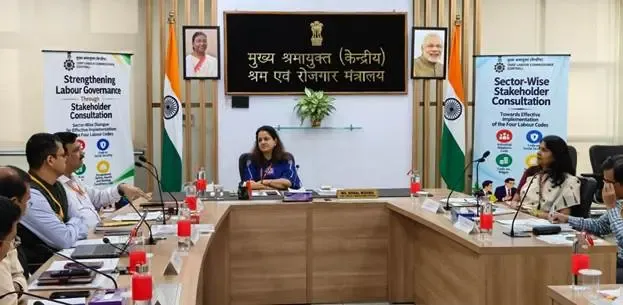
The session was chaired by Chief Labour Commissioner (Central) Sonal Mishra .
Key topics: contract labour compliance, digital portal alignment ( Shram Suvidha , SAMADHAN , Shramik Kalyan portals), and railway-specific implementation challenges.
The Labour Codes, 2020 consolidate 29 central labour laws but have not yet been fully notified for implementation.
The meeting is part of a broader CLC(C) consultation series with ministries, departments, and central PSUs.
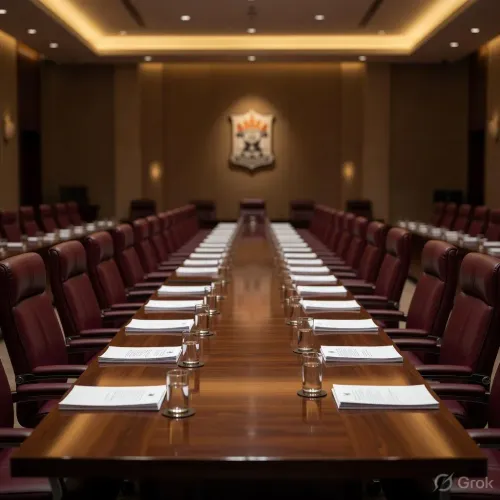
The Office of the Chief Labour Commissioner (Central) [CLC(C)] under the Ministry of Labour and Employment convened a meeting with senior officers of the Railway Board in New Delhi on 4 November 2026 to strengthen coordination and facilitate effective implementation of the Labour Codes, 2020. The session, part of an ongoing series of stakeholder consultations with ministries, departments, and central public sector undertakings, signals the Centre's renewed push to operationalise the long-delayed codes across major public employers.
What the Meeting Covered
The meeting was chaired by Chief Labour Commissioner (Central) Sonal Mishra. The CLC(C) office made a detailed presentation covering key provisions of the Labour Codes relevant to Indian Railways, essential compliance requirements, and issues related to contract labour, registration, and licensing. The presentation also addressed the use of digital platforms, including proposed upgrades to the Shramik Kalyan Portal to align it with the new legislative framework.
Vinita Verma, Executive Director (Labour Laws), Railway Board, presented an overview of the Railways' organisational structure, manpower deployment, engagement of contract labour, geographical spread of railway establishments, and existing labour-law compliance mechanisms and good practices already adopted by Indian Railways.
Digital Integration in Focus
A key agenda item was mapping Indian Railways' existing digital compliance systems against the Shram Suvidha Portal and SAMADHAN Portal — two central platforms for labour compliance and dispute resolution. Officials explored how these platforms could be better aligned to reduce duplication and ease compliance for a workforce that spans thousands of establishments across multiple jurisdictions.
The meeting also deliberated on railway-specific operational challenges in implementing the codes, given the sector's unique geographic and institutional spread. Representatives from the National Informatics Centre (NIC), Ministry of Labour and Employment, participated virtually.
Broader Context: Labour Codes Still Awaiting Full Rollout
The Labour Codes, 2020 — which consolidate 29 central labour laws into four codes covering wages, industrial relations, social security, and occupational safety — were passed by Parliament in 2020 but have yet to be fully notified for implementation. The delay has been attributed in part to states not finalising their own rules, as well as the complexity of aligning multiple large public-sector employers with the new framework.
This meeting is part of a wider outreach strategy by CLC(C) to bring key ministries and central PSUs on board ahead of a full rollout. Indian Railways, with one of the largest organised workforces in the country, represents a critical test case for the codes' operationalisation.
What Comes Next
Both organisations agreed to pursue a coordinated approach at the ground-level functionary level, ensuring that field officers of both CLC(C) and Indian Railways have a shared understanding of compliance obligations. Further consultations with other ministries and departments are expected to continue as part of the same series.
Point of View
2020 are now six years old and still not fully operational — a governance gap that this round of consultations quietly acknowledges. Holding bilateral meetings with individual ministries and PSUs is methodical, but it also exposes the structural problem: a reform of this scale requires simultaneous rule-notification by states, digital readiness across dozens of portals, and field-level capacity that has not yet been built. The focus on Indian Railways is symbolically important — if the country's largest public employer cannot be brought into compliance cleanly, the broader private-sector rollout will face even steeper resistance. What the Centre still lacks is a credible public timeline with accountability markers.
NationPress
4 Nov 2026
Frequently Asked Questions
What are the Labour Codes, 2020?
The Labour Codes, 2020 consolidate 29 central labour laws into four codes covering wages, industrial relations, social security, and occupational safety and health. Passed by Parliament in 2020, they are yet to be fully notified for implementation across India.
Why did the Labour Ministry meet the Railway Board?
The CLC(C) met Railway Board officials on 4 November 2026 to coordinate on implementing the Labour Codes, covering contract labour compliance, digital portal alignment, and railway-specific operational challenges. The meeting is part of a wider consultation series with ministries and central PSUs.
What is the Shram Suvidha Portal and why does it matter here?
The Shram Suvidha Portal is the Centre's unified digital platform for labour compliance by employers. The meeting explored aligning Indian Railways' existing compliance systems with Shram Suvidha and the SAMADHAN dispute-resolution portal to reduce duplication and ease compliance.
Who attended the meeting?
The meeting was chaired by Chief Labour Commissioner (Central) Sonal Mishra, with all senior CLC(C) officers present. Railway Board was represented by Executive Director (Labour Laws) Vinita Verma, among others. National Informatics Centre representatives joined virtually.
What happens after this consultation?
Both organisations agreed to pursue a coordinated approach at the ground level, ensuring field officers share a common understanding of compliance obligations under the Labour Codes. Further consultations with other ministries and departments are expected to continue as part of the same series.