Natural gas prices rebound above $3/MMBtu as US LNG exports surge and inventories tighten

Synopsis
Natural gas prices have bounced from a bruising 64% correction — Henry Hub hit $2.77/MMBtu in April — and are back above $3, driven by three straight weeks of below-forecast storage builds, surging US LNG exports, and an unexpected new demand driver: data centres. The commodity's medium-term outlook is turning constructive faster than markets had anticipated.
Key Takeaways
Henry Hub natural gas prices fell from $7.72/MMBtu to $2.77/MMBtu in April 2026 before recovering above $3/MMBtu .
Storage additions have come in below expectations for three consecutive weeks , tightening the year-on-year surplus.
Growing US LNG export infrastructure, with new liquefaction trains coming online, is boosting overseas shipments in 2026 .
Price premiums in Europe and Asia continue to attract US cargoes amid ongoing global trade route disruptions.
Warmer weather and rising power demand, alongside emerging data centre consumption, are adding structural support to gas prices.
According to Navneet Damani of Motilal Oswal Financial Services Ltd , the factors collectively point to a 'more favourable medium-term environment' for natural gas.
Natural gas prices have staged a notable recovery in mid-2026 after a steep correction earlier in the year, with the primary Henry Hub benchmark climbing back above $3 per MMBtu on the back of tightening inventories, rising US LNG exports, and stronger seasonal power demand, according to a report by Motilal Oswal Financial Services Ltd.
The Price Correction and Recovery
Henry Hub prices had fallen sharply from $7.72 per MMBtu to a low of $2.77 per MMBtu in April 2026 — a decline of more than 64% — before reversing course. The recovery has been driven by a confluence of supply-side tightening and demand-side acceleration, the brokerage's report noted. This is a significant swing in a commodity that had seen one of its most volatile stretches in recent memory.
Inventory Tightening and Storage Trends
Recent inventory data point to a gradual market rebalancing, with storage additions coming in below expectations for three consecutive weeks. The year-on-year surplus, which had been a persistent drag on prices, contracted substantially from its April 2026 levels. The data indicated that supply overhang concerns have eased considerably. European storage trends also reflect a gradual tightening in gas market balances, adding a global dimension to the shift.
Rising LNG Exports and New US Capacity
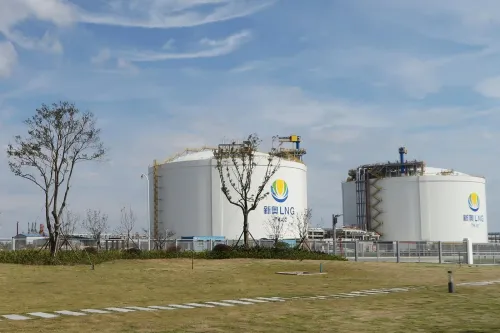
Growing US LNG export infrastructure is expected to raise volumes through 2026 as new facilities ramp up and additional liquefaction trains come online. Price premiums in Europe and Asia continue to incentivise American cargoes, while ongoing disruptions to international trade routes have reinforced the attractiveness of US LNG in overseas markets. The growing linkage between domestic US production and global demand is expected to play a larger role in balancing supply going forward.
Power Demand and New Consumption Drivers
Warmer weather across key regions has lifted electricity usage, resulting in higher gas consumption by power generators. As cooling requirements increase during summer months, utilities are drawing more fuel to meet rising energy needs. Notably, data centres are emerging as an additional structural source of gas demand — a trend that analysts say could provide sustained medium-term support to prices.
Market Outlook
Navneet Damani, Head of Research – Commodities at Motilal Oswal Financial Services Ltd, said: 'Emerging requirements from data centres are creating an additional source of consumption. Collectively, these factors are contributing to a more favourable medium-term environment for the commodity.' Global market conditions remain constructive, according to the report, with the interplay of export growth, seasonal demand, and inventory normalisation expected to sustain the recovery in the near term.
Point of View
But the speed of the reversal — driven by just three weeks of below-forecast storage builds — underscores how thin the supply cushion has become. The more structurally significant signal is the data centre demand angle: if AI infrastructure buildout becomes a durable gas-consumption driver, it rewrites the medium-term demand curve in ways that seasonal models do not yet capture. US LNG export expansion adds another variable — domestic prices are increasingly hostage to global arbitrage windows, which means American consumers and Indian importers are now pricing off the same volatility. The market is rebalancing, but the new equilibrium is more complex and less predictable than the old one.
NationPress
26 Sept 2026
Frequently Asked Questions
Why have natural gas prices recovered in 2026?
Natural gas prices recovered above $3/MMBtu after falling to $2.77/MMBtu in April 2026, driven by below-forecast storage injections for three consecutive weeks, rising US LNG exports, and stronger seasonal power demand. Data centre energy needs have also emerged as an additional consumption driver, according to a Motilal Oswal Financial Services report.
What is the Henry Hub benchmark and why does it matter?
Henry Hub is the primary pricing benchmark for natural gas in the United States, and its price movements influence global LNG contract valuations. It fell from $7.72/MMBtu to $2.77/MMBtu earlier in 2026 before recovering, reflecting the sharp volatility in global gas markets this year.
How is US LNG export growth affecting natural gas prices?
Expanding US LNG export infrastructure — with new facilities ramping up and additional liquefaction trains coming online — is raising export volumes in 2026. Price premiums in Europe and Asia continue to attract US cargoes, tightening domestic supply and supporting Henry Hub prices.
What role are data centres playing in natural gas demand?
Data centres are emerging as a new structural source of natural gas consumption, adding to the demand base beyond traditional power generation and industrial use. Navneet Damani of Motilal Oswal Financial Services noted this as one of the factors contributing to a more favourable medium-term outlook for the commodity.
What is the outlook for natural gas prices in the medium term?
The medium-term outlook is described as constructive by Motilal Oswal Financial Services, with inventory normalisation, growing US LNG exports, summer power demand, and data centre consumption collectively supporting prices. European storage tightening adds a global dimension to the recovery.