Sunil Lahri warns of water and food crisis, urges 15-20% resource cuts
Synopsis
Ramayan actor Sunil Lahri has gone beyond film roles to sound a resource alarm — urging Indians to voluntarily cut food, oil, and fuel consumption by 15-20% before El Niño-driven drought tips into full-scale crisis. With Maharashtra already logging a 19% monsoon shortfall and 21 districts in deficiency, his appeal arrives at a moment of genuine agricultural stress.
Key Takeaways
Actor Sunil Lahri issued a public video appeal urging 15-20% cuts in consumption of food, cooking oil, petrol, and diesel.
He cited the El Niño phenomenon as a key driver of worsening drought and water shortage risks across Asia.
Maharashtra recorded approximately 19% less rainfall than its seasonal average between June and September 2026 .
21 districts in Maharashtra reported deficient rainfall, with crop damage already observed in several regions.
Lahri drew a parallel with the COVID-19 pandemic, calling for calm preparedness rather than fear.
State authorities in Maharashtra have already stepped up water-conservation measures.
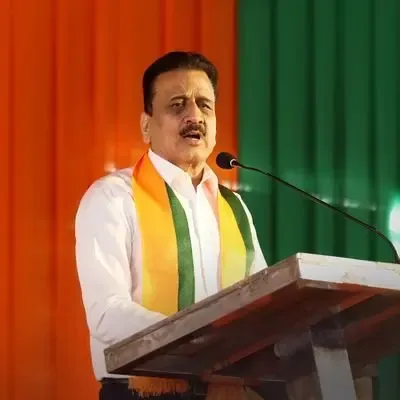
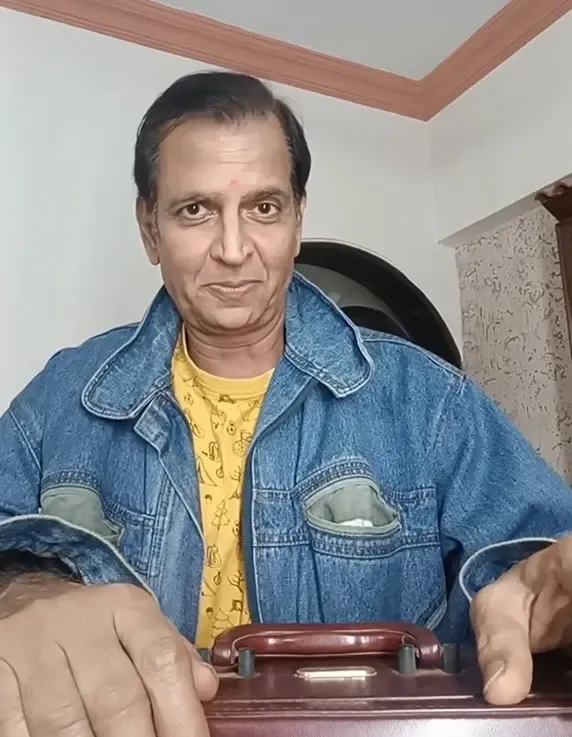
Actor Sunil Lahri, best known for portraying Lakshman in the iconic television series Ramayan, has issued a public appeal urging Indians to begin conserving water, food, and fuel immediately, citing the growing threat of drought, erratic weather patterns, and the El Niño phenomenon. The appeal, made via a video message on his social media account, comes as Maharashtra grapples with severe drought conditions and a reported 19% rainfall deficit between June and September 2026.
What Lahri Said
In his video, Lahri framed the situation as a warning rather than a cause for panic. He called on people to cut consumption of essentials — including food, cooking oil, petrol, and diesel — by 15 to 20 per cent, arguing that proactive restraint now could avert a far worse crisis later.
'The time has come for us to save everything little by little,' he said. Drawing a parallel with the COVID-19 pandemic, he added: 'During COVID, we fought and came out without crying. In the same way, I am sure we will also come out of this disaster. It is not a matter of being scared; it is a matter of being smart. It is a matter of being careful. It is a warning. Therefore, we have to try to cut 15-20% in everything, including food, oil, petrol and diesel.'
He also cautioned that financial resources may offer limited protection if essential commodities themselves become scarce — a concern he linked to potential disruptions in fertiliser supply and agricultural output.
Maharashtra's Drought Context
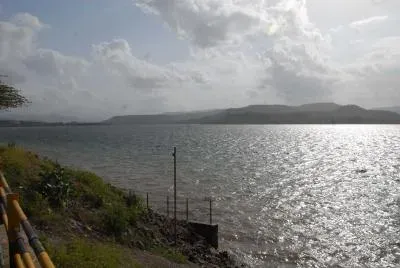
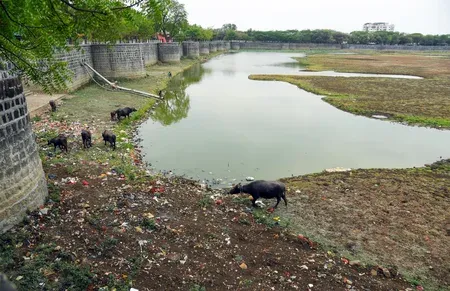
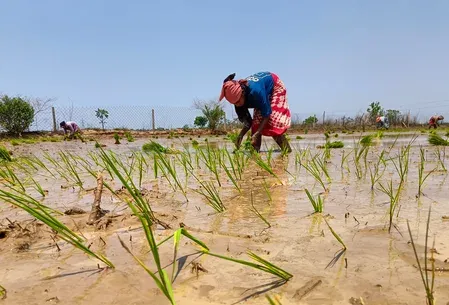
Lahri's remarks land against a backdrop of genuine distress in Maharashtra. Reportedly, 21 districts across the state recorded deficient rainfall this monsoon season, with crop damage already being documented across several regions. State authorities have stepped up water-conservation measures in response, though the full agricultural impact of the shortfall is still being assessed.
El Niño and Its Projected Impact
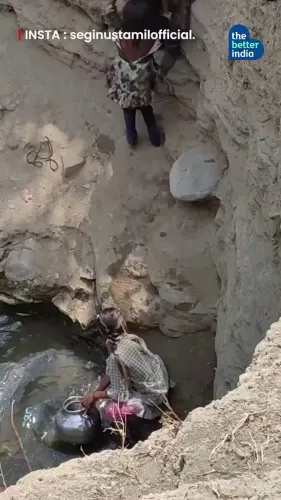
The actor specifically flagged the El Niño weather phenomenon, which scientists have linked to suppressed monsoon patterns across South and Southeast Asia. Lahri noted that changing weather cycles could trigger severe drought particularly in Asian countries, with cascading effects on water availability, crop yields, and commodity prices. This comes amid a broader global conversation about climate-driven food insecurity that has intensified in recent years.
Public Response and Context
Notably, celebrity-led conservation appeals have gained traction in India during past drought years, and Lahri's message appears aimed at mobilising the same civic awareness. He closed his message on an optimistic note, comparing the looming crisis to smoke preceding fire — arguing that early caution could mean the disaster is averted before it fully materialises. Authorities in Maharashtra have echoed the need for resource mindfulness as the state monitors its reservoir levels heading into the dry season.
Point of View
But Lahri's core warning tracks real data: Maharashtra's 19% monsoon shortfall and 21 deficient districts are not rhetoric. The more uncomfortable question is whether voluntary 15-20% cuts by individual households can substitute for policy-level interventions in water management and agricultural resilience — and why the loudest voice on this, so far, is coming from an actor rather than a minister. El Niño forecasts have been public knowledge for months; the state's response has been incremental. If this level of civic urgency is not matched by institutional urgency, the warning Lahri is sounding risks becoming a self-fulfilling prophecy.
NationPress
6 Oct 2026
Frequently Asked Questions
What is Sunil Lahri warning about?
Sunil Lahri has warned of a potential water and food crisis driven by the El Niño phenomenon and changing weather patterns, urging people to proactively reduce consumption of essentials by 15-20%. He made the appeal in a video posted to his social media account.
Why is Maharashtra specifically highlighted in this context?
Maharashtra is currently experiencing severe drought conditions, with the state recording approximately 19% less rainfall than its seasonal average between June and September 2026. At least 21 districts reported deficient rainfall, with crop damage already documented across several regions.
What is El Niño and why does it matter for India?
El Niño is a periodic warming of the central and eastern Pacific Ocean that typically suppresses monsoon rainfall across South and Southeast Asia. Scientists have linked it to drought, reduced crop yields, and disruptions to water supply — concerns Lahri specifically cited in his appeal.
What practical steps did Sunil Lahri recommend?
Lahri urged people to cut their consumption of food, cooking oil, petrol, and diesel by 15 to 20 per cent, describing it as a precautionary measure. He also raised concern about potential fertiliser shortages, suggesting that financial preparedness alone may be insufficient if essential commodities become scarce.
How does Lahri's appeal compare to past conservation calls?
Celebrity-led conservation appeals in India have precedent during drought years, typically aimed at building public awareness ahead of government-declared emergencies. Lahri's framing is notably proactive — comparing the moment to the pre-fire smoke — arguing that early collective action could prevent the crisis from fully materialising.