Vikram Bhatt on Black Friday: Release ban was justified, says fellow filmmaker
Synopsis
Vikram Bhatt's take on Black Friday is rare filmmaker candour: he loves the film but argues the CBFC was right to sit on it until the TADA verdict came in. His parallel with Delhi Crime draws a clear line — great cinema about real crimes can wait for the courts to finish their work.
Key Takeaways
Vikram Bhatt called Black Friday a 'very good film' but said its pre-verdict release would have been 'irresponsible' for the CBFC .
Black Friday premiered at the Locarno International Film Festival in 2004 but was cleared for release only in 2007 after the TADA court delivered its verdict.
The film was held back due to the use of names of accused in the 1993 Mumbai serial blasts case, which was still sub judice at the time.
Bhatt drew a parallel with Delhi Crime , which was permitted to stream only after due legal process concluded in the Nirbhaya case .
Bhatt made the remarks during promotions for his own film, Haunted 3D .
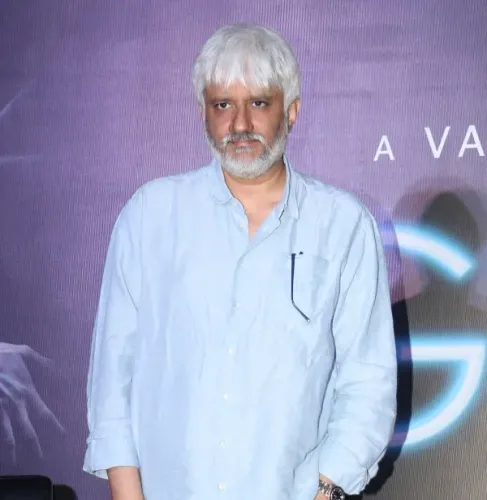
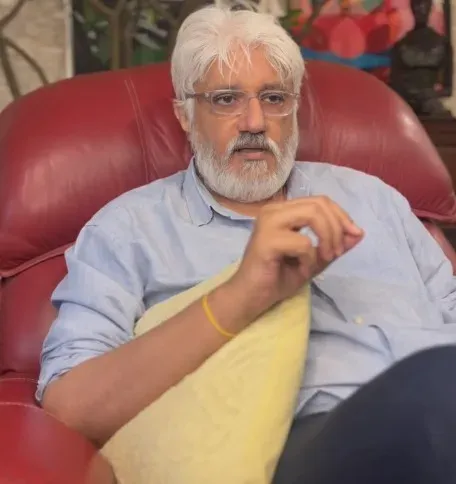
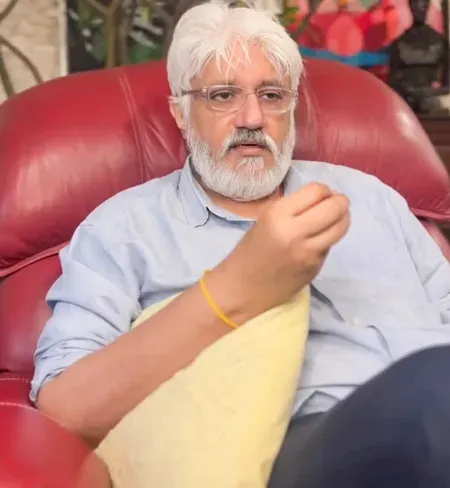
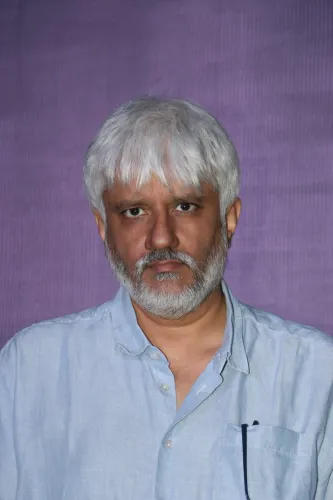
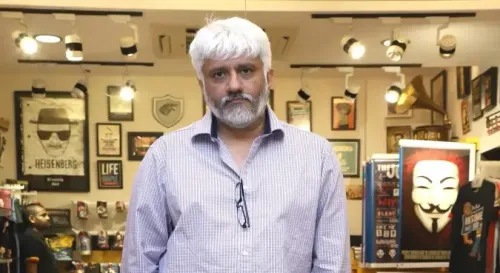
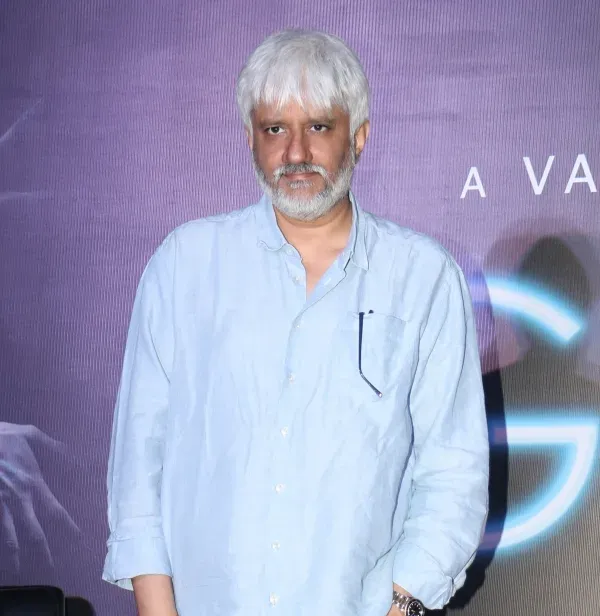
Filmmaker Vikram Bhatt has praised Anurag Kashyap's Black Friday as a fine piece of cinematic art, but maintains that the film's prolonged ban from theatrical release was entirely justified given the legal circumstances surrounding the 1993 Mumbai serial blasts case. Bhatt shared his views during the promotional circuit for his own recently released film, Haunted 3D.
What Vikram Bhatt Said
'Black Friday', very good film. But I'm not sure if at the time of release, it was probably not the right time. Because all the TADA cases were not heard. If I am not mistaken, and it would have been irresponsible for the CBFC, not for the filmmaker, to certify a film when the courts hadn't decided on a matter. And such a film would influence. So I think they are well within their right to say, 'Listen, let this play out',' Bhatt said.
He drew a parallel with the critically acclaimed Netflix series Delhi Crime, which dramatised the Nirbhaya case. 'It's like we've seen a show like Delhi Crime on the Nirbhaya case. It's been allowed, and there's no problem with it as the show premiered after a due legal process,' he added.
The Black Friday Timeline
Black Friday, directed by Anurag Kashyap, premiered at the Locarno International Film Festival in 2004 but was barred from theatrical release owing to the use of names of individuals accused in the 1993 Mumbai blasts. The film remained off screens for nearly three years, finally receiving clearance in 2007 after the Terrorist and Disruptive Activities (Prevention) Act (TADA) court delivered its verdict and sentenced the accused.
The CBFC's Role and Legal Concerns
Bhatt was careful to distinguish between the filmmaker's creative responsibility and the certifying body's statutory obligations. 'I don't know if it would be allowed while the thing was going on because I'm sure there are some law and order concerns. CBFC being a government body, a part of the ministry, is obviously careful that they are not breaking the law or influencing people at a time where the case is still sub judice,' he explained.
His remarks reflect a broader debate in Indian cinema about where the line falls between artistic freedom and judicial propriety — a tension that has resurfaced repeatedly with films and series touching on ongoing or recently concluded legal proceedings.
Context and Significance
The 1993 Mumbai serial blasts, one of the deadliest coordinated attacks in Indian history, killed over 250 people and injured hundreds more. The TADA trial that followed was one of the longest in Indian legal history, spanning well over a decade. Black Friday, based on journalist S. Hussain Zaidi's book of the same name, remains one of Kashyap's most celebrated works and is widely regarded as a landmark in Indian crime cinema.
Bhatt's nuanced position — admiring the film while defending the institutional caution that delayed it — offers a rare filmmaker-to-filmmaker perspective on the intersection of cinema, law, and public interest.
Point of View
Not a censor board defender. His argument — that the CBFC was protecting judicial integrity rather than suppressing art — is a reasonable one, but it papers over a more uncomfortable question: the CBFC has historically used 'sub judice' as a convenient catch-all, and the line between protecting court proceedings and silencing inconvenient storytelling is not always cleanly drawn. Black Friday's eventual release, and its subsequent critical standing, suggests the film itself was never the problem. The system's instinct was delay, not dialogue.
NationPress
23 Jun 2026
Frequently Asked Questions
Why was Black Friday banned from release in Indian theatres?
Black Friday was barred from theatrical release because it named individuals accused in the 1993 Mumbai serial blasts case, which was still being heard under the TADA court. The CBFC declined to certify the film while the case remained sub judice, to avoid any potential influence on the ongoing legal proceedings.
When was Black Friday finally released in theatres?
The film was cleared for theatrical release in 2007, approximately three years after its premiere at the Locarno International Film Festival in 2004. The clearance came after the TADA court delivered its verdict and sentenced the accused in the 1993 Mumbai blasts case.
What did Vikram Bhatt say about Anurag Kashyap's Black Friday?
Vikram Bhatt called Black Friday a 'very good film' but said it would have been 'irresponsible' for the CBFC to certify it while the TADA cases were still being heard. He argued the certifying body was right to wait for the legal process to conclude before permitting release.
How does Delhi Crime relate to Vikram Bhatt's argument?
Bhatt cited Delhi Crime, the Netflix series on the Nirbhaya case, as an example of a film about a real crime being permitted only after due legal process had concluded. He used it to illustrate that the principle of waiting for judicial closure is applied consistently, not selectively.
What is Black Friday based on?
Black Friday is directed by Anurag Kashyap and is based on journalist S. Hussain Zaidi's book of the same name, which chronicled the 1993 Mumbai serial blasts — one of the deadliest coordinated attacks in Indian history, which killed over 250 people.