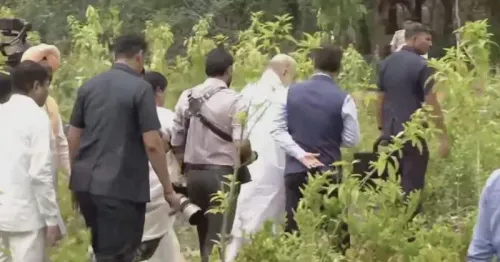
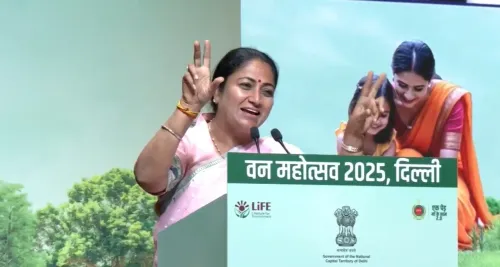
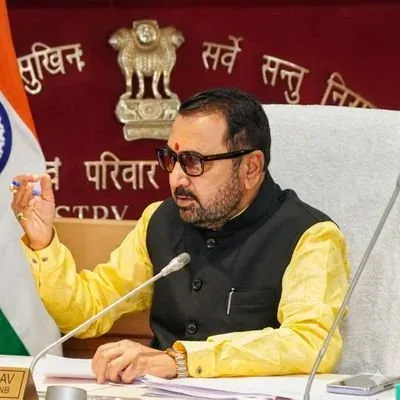
Prataprao Jadhav pushes for medicinal plants in Delhi Ridge green drive
Synopsis
Ayush MoS Prataprao Jadhav has formally asked Delhi CM Rekha Gupta to reserve at least 20% of the Ridge's massive plantation drive for medicinal species — or carve out two dedicated Aushadhi Vans. It is a rare move that links urban greening directly to India's traditional medicine supply chain, and could set a precedent for other cities.
Key Takeaways
Ayush MoS Prataprao Jadhav wrote to Delhi CM Rekha Gupta on 10 July backing the Delhi Ridge conservation plan.
Delhi's plan includes planting over 70 lakh trees, developing 70+ water bodies , and notifying 6,000 hectares as forest area.
Jadhav proposed dedicating at least 20% of plantation across eight forests to medicinal plant species.
If 20% is not feasible, at least two forests should be developed as dedicated Aushadhi Vans (Medicinal Forests).
Recommended species include Ashwagandha , Giloy , Tulsi , Brahmi , Amla , and Neem , suited to Delhi's agro-climatic conditions.
Union Minister of State for Ayush and Health, Prataprao Jadhav, on Friday, 10 July wrote to Delhi Chief Minister Rekha Gupta, endorsing the city government's conservation blueprint for the Delhi Ridge ecosystem and urging that medicinal plant species be woven into its large-scale plantation initiative. The letter marks a formal push by the Ministry of Ayush to align urban afforestation with India's traditional medicine supply chain.
What the Delhi Ridge Plan Proposes
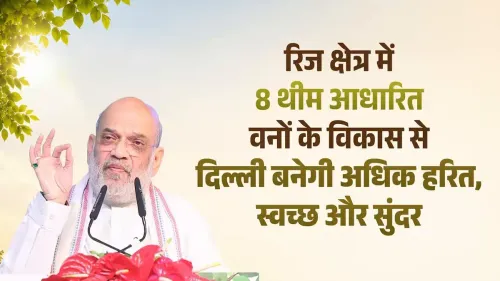
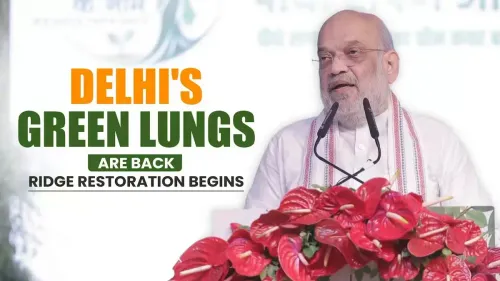
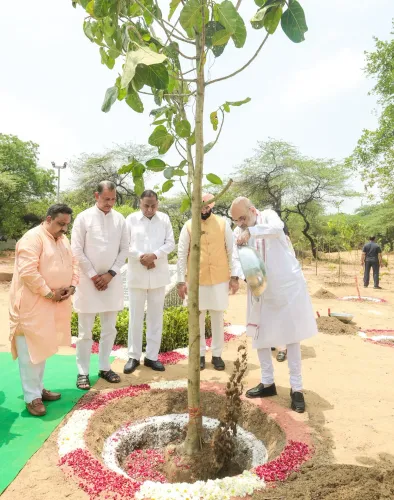
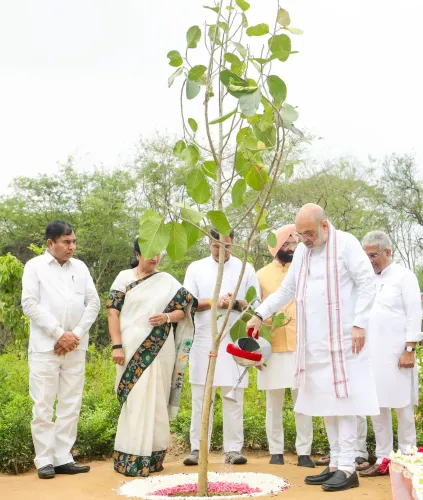
The Delhi government's initiative envisions the plantation of over 70 lakh indigenous and climate-resilient trees, the development of more than 70 water bodies, and the notification of nearly 6,000 hectares of land as forest area. Jadhav described these measures as a meaningful step toward strengthening Delhi's ecological security and improving urban air quality.
A key element of the plan is the replacement of invasive species — notably Vilayati Kikar and Babool — with indigenous varieties such as Peepal, Banyan, Neem, Arjun, and Jamun. Jadhav noted that this shift would help transform the Ridge into what he called the 'lungs of Delhi', creating a healthier urban environment for future generations.
Jadhav's Medicinal Forest Proposal
Highlighting the potential to integrate environmental conservation with public health and traditional medicine, Jadhav proposed that at least 20 per cent of the plantation across the proposed eight forests be dedicated to medicinal plant species. Where that is not feasible, he suggested that at least two forests be developed as dedicated Medicinal Forests, or Aushadhi Vans.
According to his letter, such forests would serve multiple purposes: generating a sustainable source of quality raw material for the Ayush sector, promoting biodiversity conservation, supporting ecological restoration, and encouraging eco-tourism within the National Capital Region (NCR).
Recommended Medicinal Species
Jadhav shared with Chief Minister Gupta an indicative list of medicinal plant species suited to Delhi's agro-climatic conditions. The list includes Ashwagandha, Giloy, Tulsi, Brahmi, Shatavari, Amla, Arjun, Ashok, Neem, Bel, and Jamun, among others — plants that are both ecologically compatible with the region and of documented significance in Ayurvedic medicine.
Broader Significance
The proposal sits at the intersection of two policy priorities: urban greening and the promotion of India's traditional healthcare systems. The Ministry of Ayush has in recent years sought to build a more robust domestic supply chain for medicinal raw materials, and integrating plantation drives into that effort could reduce dependence on wild-harvested or imported herbs.
Jadhav expressed confidence that the initiative, if adopted, could serve as a replicable model for other Indian cities looking to merge afforestation goals with traditional medicine ecosystems. How the Delhi government responds to the suggestion is expected to shape the next phase of the Ridge conservation plan.
Point of View
And who controls offtake? Without those answers, the proposal risks becoming a well-intentioned footnote to Delhi's greening targets rather than a genuine supply-chain intervention.
NationPress
10 Jul 2026
Frequently Asked Questions
What did Ayush MoS Prataprao Jadhav propose for Delhi's plantation drive?
Jadhav wrote to Delhi CM Rekha Gupta proposing that at least 20% of the plantation across eight planned forests be devoted to medicinal plant species. Alternatively, he suggested developing at least two forests as dedicated Medicinal Forests, called Aushadhi Vans.
What is the Delhi Ridge conservation plan?
The Delhi government's Ridge conservation plan involves planting over 70 lakh indigenous and climate-resilient trees, developing more than 70 water bodies, and notifying nearly 6,000 hectares of land as forest area. It also includes replacing invasive species like Vilayati Kikar and Babool with native trees such as Peepal, Banyan, and Neem.
Which medicinal plants did Jadhav recommend for Delhi's forests?
Jadhav shared an indicative list including Ashwagandha, Giloy, Tulsi, Brahmi, Shatavari, Amla, Arjun, Ashok, Neem, Bel, and Jamun — all suited to Delhi's agro-climatic conditions and significant in Ayurvedic medicine.
Why does the Ministry of Ayush want medicinal forests in Delhi?
According to Jadhav's letter, Aushadhi Vans would create a sustainable source of quality raw material for the Ayush sector, promote biodiversity, support ecological restoration, and encourage eco-tourism in the National Capital Region.
Who is Prataprao Jadhav?
Prataprao Jadhav is the Union Minister of State for Ayush and also holds the portfolio of Minister of State for Health and Family Welfare in the current Central government.