Command Hospital Kolkata gives NexCAR19 therapy to soldier with B-cell ALL
Synopsis
India's indigenously developed CAR-T therapy NexCAR19 — priced at one-tenth of Western alternatives — has been administered to a serving soldier at Command Hospital Kolkata, making it the second Army hospital to deploy the treatment in as many months. The back-to-back rollout signals a systematic push to integrate advanced immunotherapy into the Indian Armed Forces' medical network.
Key Takeaways
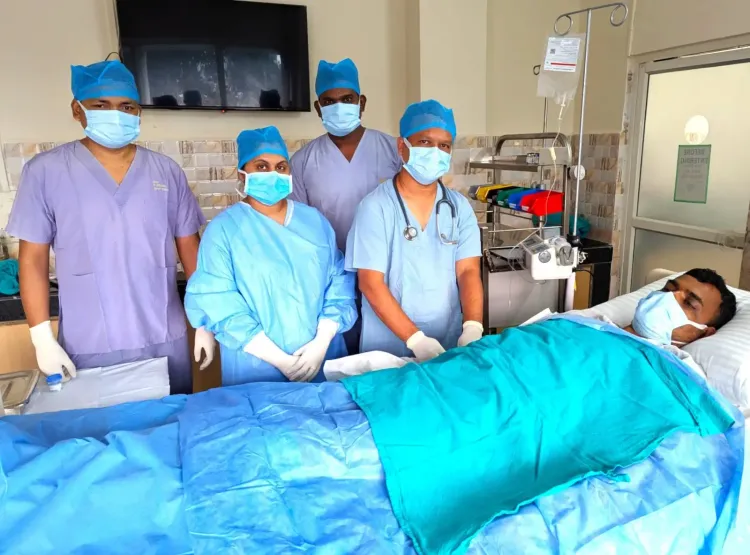
Command Hospital (Eastern Command), Kolkata successfully administered NexCAR19 CAR-T cell therapy to a 39-year-old serving soldier with relapsed/refractory B-cell ALL .
NexCAR19 is India's first indigenous CAR-T therapy, developed by IIT Bombay , Tata Memorial Centre , and biotech start-up ImmunoACT .
The therapy uses a humanised configuration , lowering the risk of severe neurological side effects compared with conventional CAR-T products.
NexCAR19 costs approximately one-tenth of comparable Western treatments, making it one of the most affordable CAR-T therapies globally.
In September 2026 , Command Hospital (Western Command), Chandimandir administered the same therapy to a 16-year-old B-cell ALL patient — indicating a systematic Army-wide rollout.
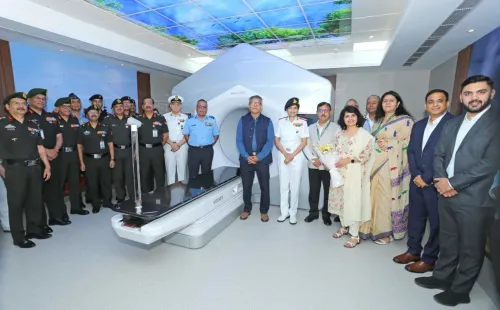
Command Hospital (Eastern Command) in Kolkata has successfully administered NexCAR19, India's first indigenously developed CAR-T cell therapy, to a 39-year-old serving soldier diagnosed with relapsed/refractory B-cell Acute Lymphoblastic Leukaemia (B-cell ALL). The milestone underscores the Indian Army's growing commitment to deploying cutting-edge medical technologies for its personnel.
What Is NexCAR19 and How It Works
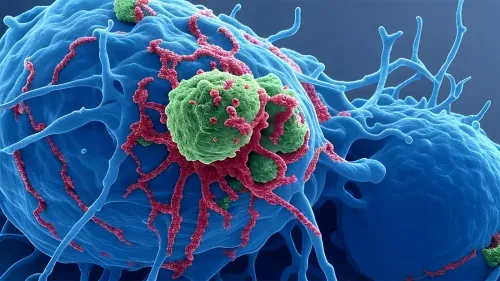
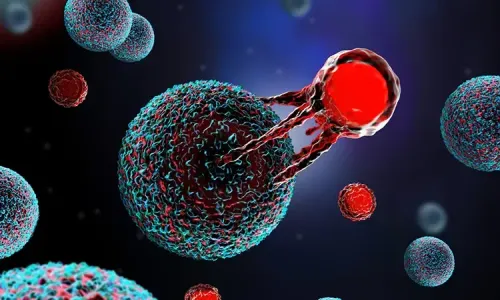
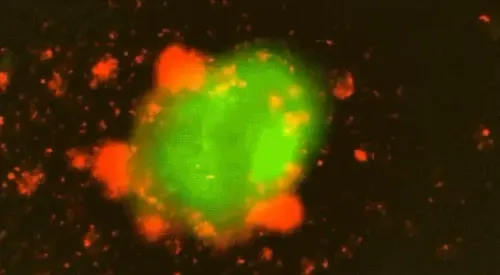
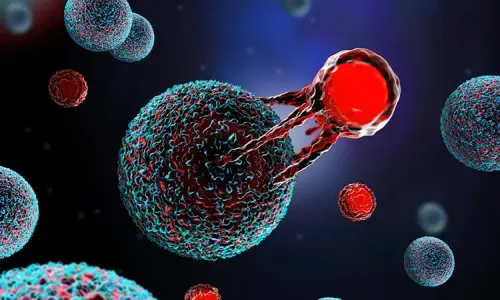
NexCAR19 was developed through a three-way collaboration between IIT Bombay, Tata Memorial Centre, and ImmunoACT, a biotechnology start-up. The therapy works by extracting a patient's own T-cells, genetically engineering them with Chimeric Antigen Receptors (CARs) that are programmed to recognise and destroy CD19-expressing cancer cells, and then reinfusing these modified cells into the body.
Crucially, NexCAR19 uses a humanised product configuration rather than murine (mouse-derived) components. This distinction is clinically significant — it is associated with a lower risk of severe neurological side effects compared with conventional CAR-T approaches used in Western markets.
Why This Treatment Matters
CAR-T cell therapy is considered a critical option for patients with relapsed or refractory blood cancers who have run out of conventional treatment avenues such as chemotherapy or bone marrow transplants. What sets NexCAR19 apart globally is its cost: it is reportedly priced at approximately one-tenth of comparable treatments available in Western countries, making advanced immunotherapy accessible to a far wider patient base.
This is the first time Command Hospital (Eastern Command) has administered the therapy, marking an institutional expansion of the treatment's reach within the Indian Armed Forces medical network. Command Hospitals across the country are among the authorised centres for this treatment.
Eastern Command's Statement
Describing the outcome, Eastern Command stated on X that the administration of NexCAR19 was 'a landmark achievement, reflecting clinical excellence, innovation and commitment to delivering cutting-edge, patient-centric healthcare to the Indian Armed Forces.' The statement highlights the Army's broader focus on integrating advanced medical technologies for the welfare of serving personnel and their dependants.
A Growing Pattern Across Army Hospitals
This is not an isolated incident. In September 2026, Command Hospital (Western Command) in Chandimandir administered its first CAR-T cell therapy to a 16-year-old patient also suffering from B-cell ALL. The back-to-back administrations at two separate Command Hospitals suggest a systematic rollout of the therapy across the Army's medical infrastructure, rather than a one-off intervention.
As the Indian defence establishment continues to expand access to NexCAR19, the treatment's affordability and indigenous origin position it as a model for how domestically developed biotechnology can serve both military and broader civilian healthcare needs.
Point of View
Roughly one-tenth of Western alternatives, is not just a healthcare win but a demonstration of Indian biotech's ability to indigenise a therapy that most middle-income countries still cannot afford. The real question is whether this momentum will extend beyond the military's captive network to civilian hospitals, and whether the regulatory and manufacturing infrastructure at ImmunoACT can scale to meet that demand.
NationPress
6 Oct 2026
Frequently Asked Questions
What is NexCAR19 and who developed it?
NexCAR19 is India's first indigenously developed CAR-T cell therapy, created through a collaboration between IIT Bombay, Tata Memorial Centre, and biotech start-up ImmunoACT. It is designed to treat blood cancers such as leukaemia and lymphoma by reprogramming a patient's own T-cells to attack cancer cells.
Why is the Kolkata Command Hospital CAR-T treatment significant?
It marks the first time Command Hospital (Eastern Command) in Kolkata has administered CAR-T therapy, extending the Indian Army's advanced cancer treatment capabilities to another region. Combined with a similar administration at Command Hospital Chandimandir in September 2026, it signals a systematic rollout across Army medical institutions.
How does NexCAR19 differ from other CAR-T therapies?
NexCAR19 uses a humanised product configuration rather than mouse-derived (murine) components, which is associated with a lower risk of severe neurological side effects. It is also priced at approximately one-tenth of comparable Western treatments, making it one of the most affordable CAR-T therapies in the world.
Who is eligible for CAR-T cell therapy in India?
CAR-T therapy is primarily indicated for patients with relapsed or refractory blood cancers — those who have not responded to or have relapsed after conventional treatments. Within the military, Command Hospitals across India are authorised to administer NexCAR19 to serving personnel and their dependants.
Has any other Indian Army hospital administered CAR-T therapy recently?
Yes. In September 2026, Command Hospital (Western Command) in Chandimandir administered CAR-T cell therapy to a 16-year-old patient with B-cell ALL — its first such treatment. The Kolkata administration follows within weeks, suggesting a coordinated expansion of the therapy across the Army's medical network.