Philippines earthquake: 32 dead, 134 injured as magnitude 7.8 quake hits Sarangani
Synopsis
A magnitude 7.8 earthquake tore through Sarangani in the southern Philippines on Monday morning, killing at least 32 people and injuring over 134 — just as schools were reopening after summer break. A two-storey school building collapsed with students inside, 17 domestic flights were cancelled, and tsunami alerts were issued by three countries before being lifted. With 12 still missing, the toll is not yet final.
Key Takeaways
A magnitude 7.8 earthquake struck Sarangani province , southern Philippines, on 8 June at 7:37 am local time .
At least 32 people were killed and no fewer than 134 injured; 12 people remain missing.
A two-storey school building in General Santos collapsed with students trapped inside.
The Department of Education suspended classes at schools serving more than 5,800 students .
17 domestic flights were cancelled and General Santos International Airport operations were restricted through 11 June .
Tsunami warnings issued by the Philippines, Indonesia, and Japan were subsequently lifted; the highest recorded wave was 1.4 metres .
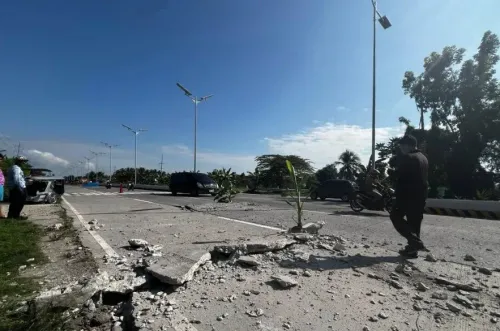
A magnitude 7.8 earthquake struck Sarangani province in the southern Philippines on Monday, 8 June, killing at least 32 people, injuring no fewer than 134, and triggering tsunami warnings across the region that were subsequently lifted. The quake caused widespread structural damage, school closures, and flight suspensions across the affected zone.
Death Toll and Casualties
Junie Castillo, spokesperson for the Philippines' Office of Civil Defence, confirmed that 10 victims were reported in General Santos, a port city in South Cotabato with a population of over 700,000. At least 12 people remain missing. Deaths were attributed to falling debris, building collapses, and landslides. The Philippine National Police reported a separate injury count of at least 134.
Buildings Collapse, Schools Suspended
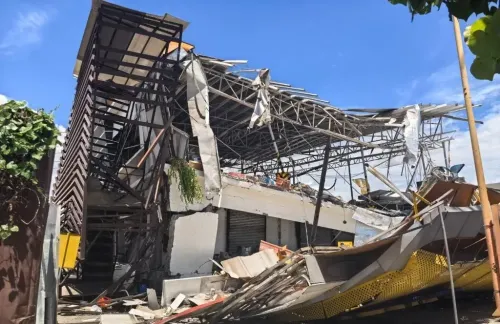
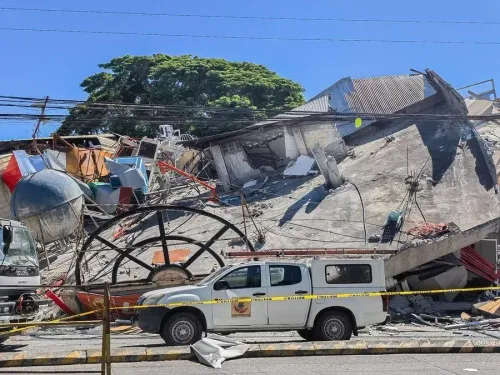
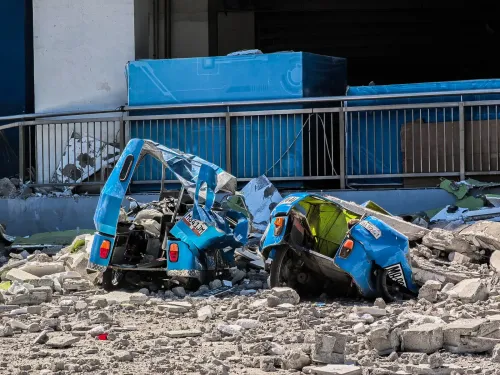
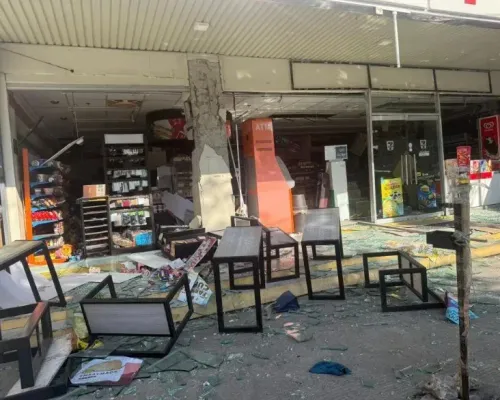
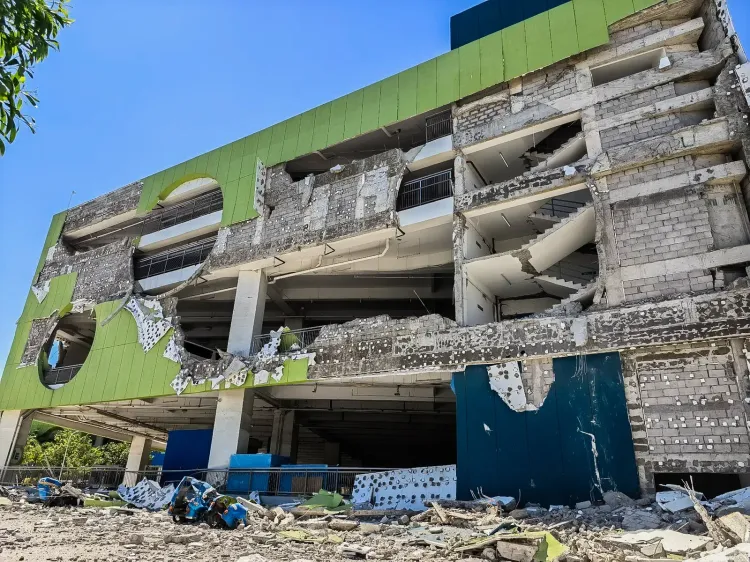
A two-storey school building in General Santos collapsed with students trapped inside; authorities said they were verifying the full details. Online footage showed university and restaurant structures reduced to rubble, while commercial buildings sustained structural damage — signs fell and window panes shattered across the city. Local residents fled outdoors in search of safety.
The earthquake struck shortly after schools across the Philippines had resumed classes following the summer break. Surveillance cameras at multiple schools captured violent shaking, with teachers and students either evacuating immediately or sheltering under desks. The Department of Education ordered classes suspended at affected schools serving more than 5,800 students to ensure safety.
Airport Operations Halted, Flights Cancelled
General Santos International Airport suspended all operations from 8:45 am to 3 pm local time for a full safety inspection. Three airlines cancelled a combined 17 domestic flights. Civil aviation authorities subsequently restricted landing and takeoff operations to government, military, and humanitarian flights from Monday at 3 pm through 11 June at 6 pm.
Seismic Details and Tsunami Warnings
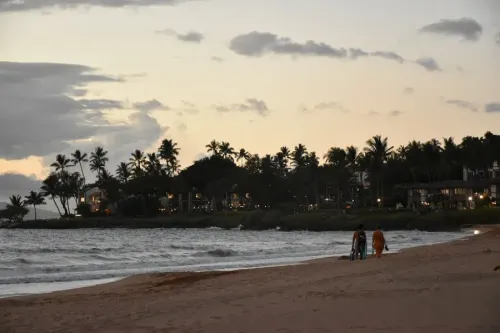
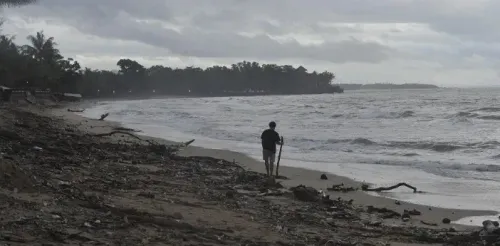
The Philippine Institute of Volcanology and Seismology confirmed the quake struck waters near Mindanao at 7:37 am, with a focal depth of 33 kilometres. The highest wave recorded reached 1.4 metres. The Philippines, Indonesia, and Japan all issued tsunami alerts in the immediate aftermath; all warnings were later cancelled.
What Comes Next
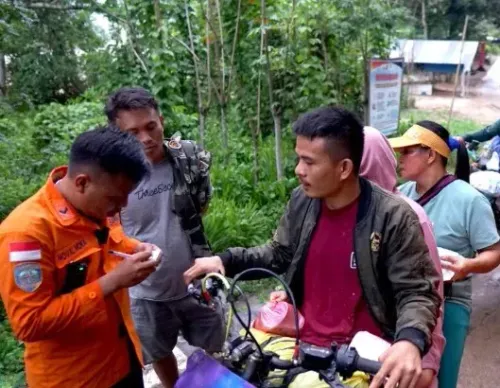
Rescue and verification operations are ongoing, with authorities still accounting for the 12 missing persons. The scale of structural damage — particularly to schools and public buildings — points to a prolonged recovery phase. The Philippines, situated on the seismically active Pacific Ring of Fire, has experienced several major earthquakes in recent decades, and this event ranks among the most destructive in the southern island group in recent years.
Point of View
Yet school infrastructure remains visibly vulnerable. The swift lifting of tsunami warnings is a positive signal for early-warning systems, but the 12 still missing and an airport shut through 11 June suggest the recovery timeline will outlast the headlines by weeks.
NationPress
26 Oct 2026
Frequently Asked Questions
How strong was the earthquake that struck the Philippines on 8 June?
The earthquake measured magnitude 7.8 and struck waters near Mindanao at 7:37 am local time on 8 June, with a focal depth of 33 kilometres, according to the Philippine Institute of Volcanology and Seismology.
How many people were killed and injured in the Philippines earthquake?
At least 32 people were killed and no fewer than 134 were injured, according to the Philippine National Police and the Office of Civil Defence. At least 12 people remain missing.
Was there a tsunami after the Philippines earthquake?
Yes, the Philippines, Indonesia, and Japan all issued tsunami alerts following the quake. All warnings were subsequently lifted. The highest wave recorded was 1.4 metres.
Were schools and flights affected by the earthquake?
Yes. The Department of Education suspended classes at affected schools serving more than 5,800 students. General Santos International Airport halted normal operations and three airlines cancelled 17 domestic flights; the airport remains restricted to government, military, and humanitarian flights through 11 June at 6 pm.
Where exactly did the earthquake hit in the Philippines?
The earthquake's epicentre was in waters near Mindanao, with Sarangani province and the city of General Santos in South Cotabato among the hardest-hit areas on the ground.