7.8 magnitude quake near Philippines triggers tsunami warnings across Indonesia, Japan
Synopsis
A 7.8 magnitude quake off Mindanao set off a chain of tsunami alerts stretching from northeastern Indonesia to Japan's Okinawa — a stark reminder of how a single seismic event on the Ring of Fire can place millions across multiple nations on evacuation footing within minutes.
Key Takeaways
A 7.8 magnitude earthquake struck 32 km southwest of Maasim, Sarangani Province, Mindanao at 7:37 am local time on 8 June .
The quake hit at a depth of 33 km , according to the Philippine Institute of Volcanology and Seismology .
PHIVOLCS issued tsunami warnings to nine coastal provinces in the Philippines, urging immediate evacuation to higher ground.
Indonesia's Meteorology, Climatology and Geophysics Agency issued an early tsunami warning for northeastern coastal areas .
Japan's Meteorological Agency issued tsunami advisories from Ibaraki Prefecture to Okinawa .
No significant casualties or major damage were reported initially in either Indonesia or the Philippines .
A powerful 7.8 magnitude earthquake struck the waters off the southern Philippines on Monday morning, 8 June, prompting Indonesia's Meteorology, Climatology and Geophysics Agency to issue an early tsunami warning for the coastal areas of northeastern Indonesia. Japan's weather agency followed with its own tsunami advisories covering a wide stretch of its Pacific coastline.
Quake Details and Epicentre
According to the Philippine Institute of Volcanology and Seismology (PHIVOLCS), the tectonic earthquake struck at 7:37 am local time at a depth of 33 km. The epicentre was located 32 km southwest of the coast of Maasim town in Sarangani Province on Mindanao Island — the second-largest island in the Philippines and one of the most seismically active zones in the world.
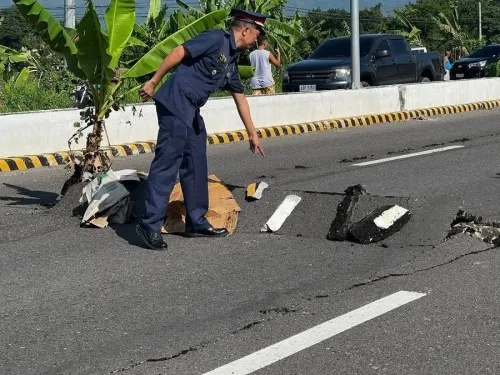
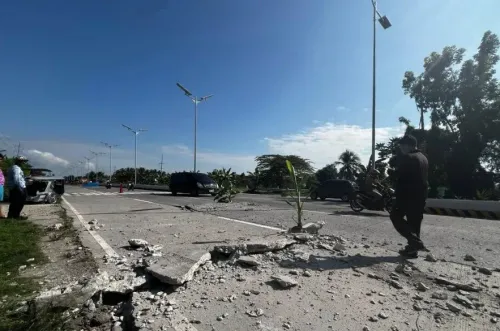
Tremors were felt across neighbouring provinces, and local media reported that the quake damaged some buildings and triggered a power outage in affected areas.
Tsunami Warnings Issued Across the Region
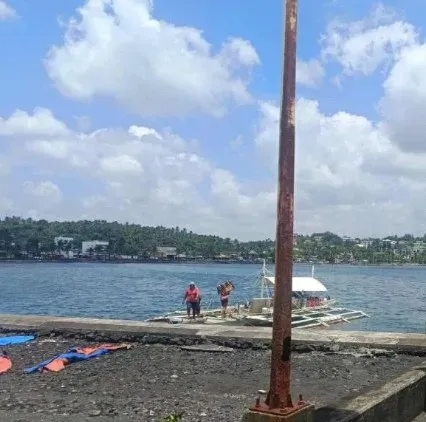
PHIVOLCS issued tsunami warnings to nine coastal provinces in the Philippines, strongly advising residents to immediately evacuate to higher ground or move farther inland. Authorities warned that the first tsunami waves were forecast to arrive on Monday morning and continue for several hours.
Indonesia's Meteorology, Climatology and Geophysics Agency separately issued an early tsunami bulletin for northeastern coastal areas of the country. Meanwhile, Japan's Meteorological Agency issued tsunami advisories for coastal zones stretching from Ibaraki Prefecture on the eastern Pacific coast southward to the island prefecture of Okinawa.
No Major Casualties Reported Initially
There were no initial reports of significant casualties or major structural damage in either Indonesia or the Philippines in the immediate aftermath of the quake, although officials noted that areas nearest to the epicentre experienced strong tremors. Assessments were ongoing as authorities monitored the situation.
Why This Region Is So Vulnerable
The Philippines sits squarely along the Pacific 'Ring of Fire' — a zone of intense tectonic plate activity that accounts for roughly 90% of the world's earthquakes and the majority of its volcanic eruptions. Mindanao in particular has a documented history of major seismic events, making rapid evacuation protocols critical for coastal communities. This is not the first time a Mindanao-origin quake has triggered multi-country tsunami warnings across Southeast and East Asia.
What Happens Next
Coastal communities across northeastern Indonesia, the southern Philippines, and parts of Japan were on high alert as authorities tracked wave activity. Emergency response teams were reportedly mobilised in the most exposed provinces. The situation remained fluid on Monday morning, with further updates expected from national disaster management agencies across the region.
Point of View
But the real test of preparedness comes in the hours after the first wave advisory, not the minutes. Repeated Ring of Fire events in this corridor should be accelerating investment in community-level early warning systems, not just national agency bulletins.
NationPress
24 Oct 2026
Frequently Asked Questions
What caused the tsunami warning for Indonesia on 8 June?
A 7.8 magnitude earthquake struck off the coast of Mindanao in the southern Philippines on 8 June, prompting Indonesia's Meteorology, Climatology and Geophysics Agency to issue an early tsunami warning for northeastern coastal areas. The quake's epicentre was 32 km southwest of Maasim town in Sarangani Province at a depth of 33 km.
Which areas in the Philippines received tsunami warnings?
The Philippine Institute of Volcanology and Seismology issued tsunami warnings to nine coastal provinces following the quake, urging residents to evacuate immediately to higher ground or move farther inland. First tsunami waves were forecast to arrive Monday morning and continue for several hours.
Did Japan also issue a tsunami warning after the Philippines earthquake?
Yes. Japan's Meteorological Agency issued tsunami advisories for coastal areas stretching from Ibaraki Prefecture on the eastern Pacific coast to Okinawa in the south following the 7.8 magnitude quake near Mindanao.
Were there deaths or major damage reported?
There were no initial reports of significant casualties or major structural damage in either Indonesia or the Philippines, according to officials. However, local media reported some building damage and a power outage, and assessments were still ongoing.
Why is Mindanao prone to earthquakes?
Mindanao lies along the Pacific Ring of Fire, a zone of intense tectonic plate boundaries responsible for the majority of the world's earthquakes and volcanic eruptions. The Philippines as a whole experiences frequent seismic activity due to this geographic position, making it one of the most earthquake-prone nations in the world.