Japan's Three Non-Nuclear Principles: 82 assemblies urge Takaichi to hold firm
Synopsis
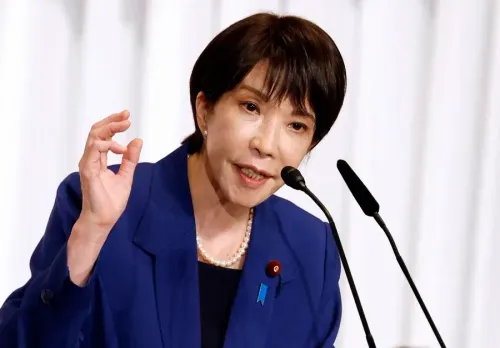
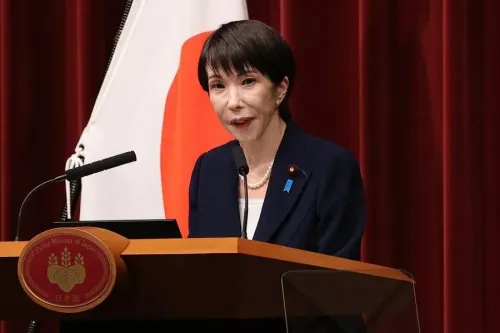
Eighty-two Japanese local assemblies — including those of Hiroshima and Nagasaki — have formally urged PM Sanae Takaichi's government to preserve Japan's Three Non-Nuclear Principles, a 1971 policy banning nuclear weapons from Japanese soil. The unprecedented surge in resolutions follows reports that the Takaichi administration may be weighing a revision to the policy, triggering alarm from the cities that bore the weight of atomic war.
Key Takeaways
82 local assemblies across Japan have submitted opinions urging the Takaichi government to uphold or legally enshrine the Three Non-Nuclear Principles .
Submissions include five prefectural assemblies , 48 city assemblies , and 29 town and ward assemblies — none called for revision.
Japan's Three Non-Nuclear Principles, adopted by parliament in 1971 , prohibit possessing, producing, or introducing nuclear weapons into Japanese territory.
The Hiroshima City Assembly unanimously adopted its statement in January , urging the government to respect the concerns of atomic-bombed cities.
The surge marks a sharp contrast with previous administrations, which received either no such opinions or only a handful.
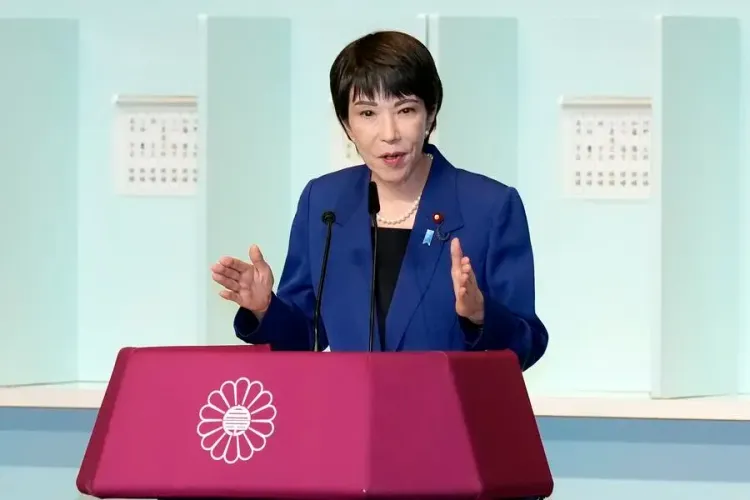
A total of 82 local assemblies across Japan have submitted formal written opinions to the central government or parliament, urging Prime Minister Sanae Takaichi's administration to uphold or legally enshrine the country's Three Non-Nuclear Principles, according to local media reports. The submissions, recorded since the Takaichi government took office in October last year, mark a sharp and historically unprecedented surge in grassroots legislative pressure on nuclear policy.
Scale of the Push
The 82 submissions include opinions adopted by five prefectural assemblies, 48 city assemblies, and 29 town and ward assemblies, according to reports citing Kyodo News. Notably, not a single submission called for revising the Three Non-Nuclear Principles — all urged their preservation. Previous administrations received either no such opinions or only a handful, making the current volume a significant departure from historical norms.
What the Three Non-Nuclear Principles Are
Japan's Three Non-Nuclear Principles prohibit the country from possessing, producing, or permitting the introduction of nuclear weapons onto Japanese territory. The principles were formally adopted by the Japanese parliament in 1971 and have since served as the cornerstone of Japan's nuclear policy — a position shaped heavily by the country's experience as the only nation to have suffered atomic bombings in wartime.
What Triggered the Surge
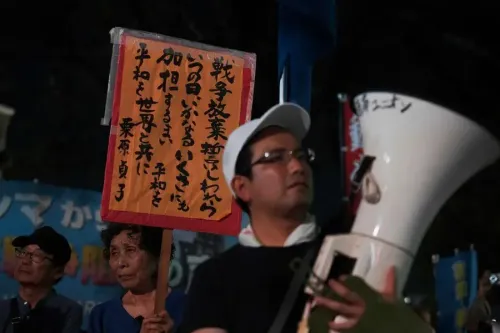
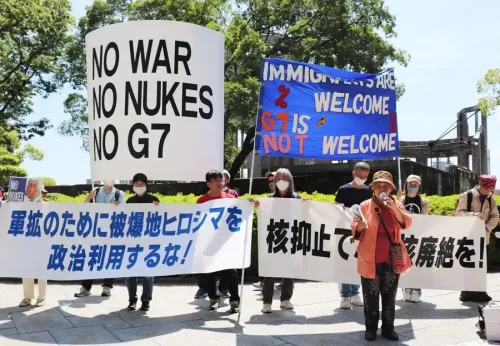
Local media had earlier reported that the Takaichi government was reportedly considering a revision to the principle prohibiting the introduction of nuclear weapons into Japan — the third of the three principles and the one most frequently debated in security circles. That reported consideration has, according to reports, sparked widespread concern across multiple sectors of Japanese society, prompting the wave of assembly-level resolutions.
Hiroshima and Nagasaki Lead the Call
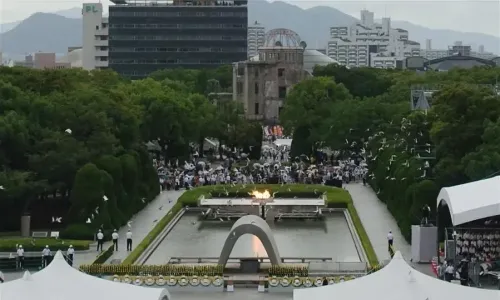
Among the most symbolically significant submissions were those from the city assemblies of Hiroshima and Nagasaki — the two cities devastated by atomic bombs in 1945. The Hiroshima City Assembly unanimously adopted its statement in January, explicitly stating that the ruling party's reported attempt to revise the non-nuclear principles 'has caused concern,' and strongly urging the Japanese government to 'take the feelings of people in the atomic-bombed cities seriously and to uphold the Three Non-Nuclear Principles.' The Nagasaki City Assembly followed with a similar resolution.
What Comes Next
The Takaichi administration has not publicly confirmed any formal plan to revise the principles, and no legislative proposal has been tabled as of the date of these reports. However, the volume and geographic spread of the assembly opinions suggest that any move toward revision would face substantial domestic political resistance. Observers will be watching whether the central government formally responds to the submitted opinions or whether the issue surfaces in upcoming parliamentary sessions.
Point of View
Cities, and town wards — signals that nuclear policy is no longer an elite foreign-policy debate in Japan; it has moved into local legislative chambers. The Takaichi government's reported consideration of revising the third principle, which bars the introduction of nuclear weapons, touches the rawest nerve in Japanese public memory. What is striking is the unanimity: not one of the 82 submissions argued for revision. For a government that has not formally confirmed any revision plan, the political cost of even appearing to consider it is already accumulating. The assemblies of Hiroshima and Nagasaki carry a moral authority that Tokyo cannot easily dismiss — and their unanimous votes send a message that transcends party lines.
NationPress
15 Oct 2026
Frequently Asked Questions
What are Japan's Three Non-Nuclear Principles?
Japan's Three Non-Nuclear Principles are a policy adopted by the Japanese parliament in 1971 that prohibits the country from possessing, producing, or permitting the introduction of nuclear weapons into its territory. They have served as the cornerstone of Japan's nuclear stance for over five decades.
Why have 82 local assemblies submitted opinions on the non-nuclear principles?
The surge in assembly opinions follows local media reports that the Takaichi government was reportedly considering revising the principle that bars the introduction of nuclear weapons into Japan. The submissions reflect growing public concern that a long-standing pillar of Japanese security policy may be under review.
What did the Hiroshima City Assembly say?
The Hiroshima City Assembly unanimously adopted a statement in January urging the Japanese government to take the feelings of people in atomic-bombed cities seriously and to uphold the Three Non-Nuclear Principles. It specifically noted that the ruling party's reported attempt to revise the principles 'has caused concern.'
Has the Takaichi government confirmed plans to revise the non-nuclear principles?
As of the date of these reports, the Takaichi administration has not publicly confirmed any formal plan to revise the Three Non-Nuclear Principles, and no legislative proposal has been tabled. The concern stems from earlier local media reports about the government reportedly considering such a revision.
How does this compare to previous Japanese administrations?
Previous administrations received either no written opinions from local assemblies on the non-nuclear principles or only a handful. The current tally of 82 submissions since October last year represents a historically unprecedented level of grassroots legislative pressure on this issue.