Bangladesh garment wage hike to Tk 17,000 falls short: Amnesty
Synopsis
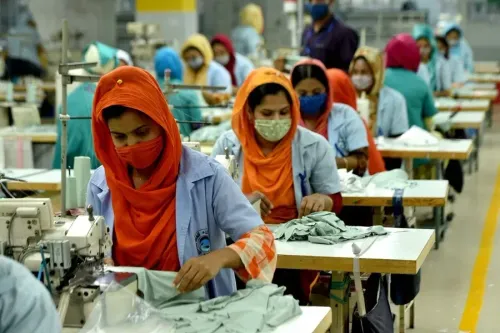
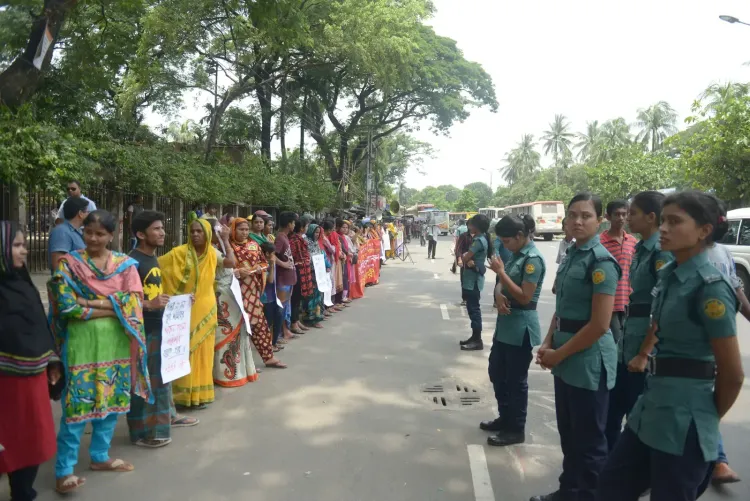
Bangladesh raised garment workers' minimum wage to Tk 17,000, but Amnesty International says it falls far short of the Tk 32,000 workers demanded. The rights body is also flagging a crackdown: at least nine workers and union leaders have reportedly been arrested this month for protesting.
Key Takeaways
Amnesty International urged Bangladesh to revise the new minimum wage for garment workers.
The Minimum Wage Board raised the RMG monthly minimum wage from Tk 12,500 to Tk 17,000 on Wednesday .
Garment workers had initially demanded Tk 32,000 a month.
Two trade union leaders were arrested on 20 November , after at least seven workers and union representatives were arrested earlier in the month.
Amnesty called for a wage that is fair, non-discriminatory and based on the actual cost of living .
Amnesty International has urged the Bangladesh government to revise the newly announced minimum wage for garment workers, saying the monthly floor of Tk 17,000 does not meet workers' essential needs or ensure a decent standard of living. The call from the global human rights organisation came after Bangladesh's Minimum Wage Board on Wednesday raised the monthly minimum wage in the Ready-made Garment (RMG) sector from Tk 12,500 to Tk 17,000. The board's decision followed several rounds of negotiations between factory owners and workers' representatives in Dhaka.
Key Developments
The revised wage amounts to an increase of Tk 4,500 a month. However, it remains well below the Tk 32,000 that garment workers had initially demanded, according to the rights body.
In a post on X, Amnesty International said: “Workers' representatives have said that the Tk 17,000 monthly minimum wage falls short of their demands and does not adequately address their essential needs. Workers must be able to earn a living wage that ensures a decent standard of living for themselves and their families.”
The organisation warned that rising costs of food, housing, transportation and healthcare would continue to strain workers' finances. It said many workers would struggle to afford basic necessities. “Workers have the right to demand fair wages that allow them to support themselves and their families,” it stated.
Arrests of Union Leaders Raise Concern
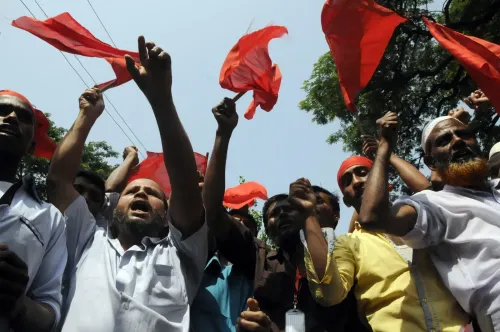
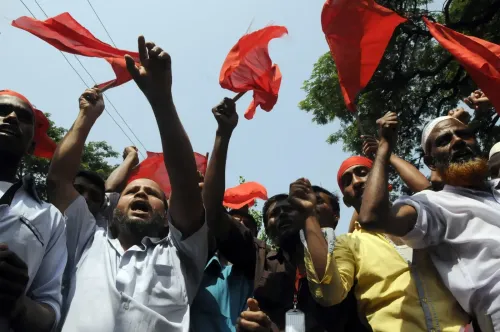
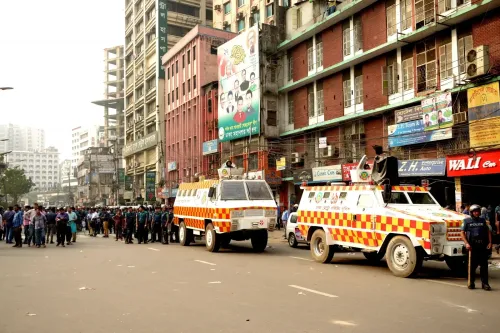
Amnesty International also raised alarm over the arrests and harassment of garment workers and trade union leaders. These followed weeks of protests in Bangladesh demanding higher wages.
“The arrest of two more trade union leaders on 20 November, following the arrest of at least seven garment workers and union representatives earlier this month, raises concerns about the targeting of workers for exercising their rights to freedom of peaceful assembly, freedom of association and collective bargaining,” the rights body noted.
It called on Bangladeshi authorities to immediately stop arresting, intimidating and harassing workers and trade union representatives for taking part in peaceful protests for better wages.
Call for Restraint in Policing Protests
The organisation also addressed how law enforcement should respond to unrest. “Where incidents of violence occur, law enforcement authorities must distinguish between peaceful protesters and individuals engaging in violence. Any use of force must comply with international human rights standards,” it stressed.
Notably, the statement places the wage dispute and the crackdown on organisers within the same rights framework. It treats fair pay and the freedom to campaign for it as inseparable.
What Amnesty Wants From Dhaka
Amnesty International urged the Bangladesh government to ensure that the minimum wage is “fair, non-discriminatory and based on the actual cost of living.” It said the wage should also meet international standards and allow workers to support themselves and their families with dignity.
“The government must also protect workers' rights to organize, protest peacefully and engage in collective bargaining, and ensure accountability for human rights violations against those exercising these rights,” it added.
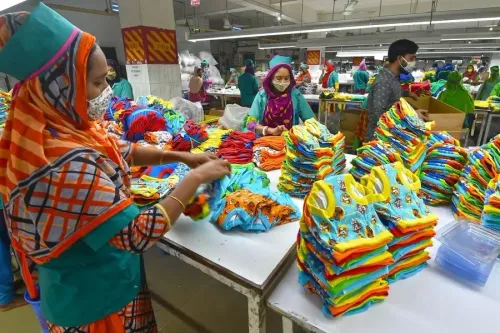
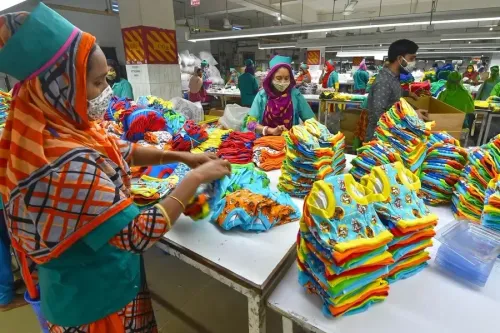
The RMG sector is central to Bangladesh's export economy and employs a large workforce. Any further revision of the wage, or continued protests, will likely be watched closely by workers, factory owners and international buyers.
Whether Dhaka revisits the Tk 17,000 figure, and how it handles the arrested union leaders, will shape the next phase of this dispute.
Point of View
Announced alongside the arrest of the people who negotiated for it, signals that Dhaka is managing unrest rather than resolving it. For India, which competes with Bangladesh for global apparel orders, the episode is a reminder that low-cost labour models carry social and reputational costs. Global buyers increasingly scrutinise those costs, and they may not stay invisible for long.
NationPress
26 Nov 2026
Frequently Asked Questions
What is the new minimum wage for garment workers in Bangladesh?
Bangladesh's Minimum Wage Board has set the monthly minimum wage for Ready-made Garment workers at Tk 17,000, up from Tk 12,500. The decision followed several rounds of negotiations between factory owners and workers' representatives.
Why has Amnesty International criticised the wage hike?
Amnesty International says Tk 17,000 does not adequately cover workers' essential needs or ensure a decent standard of living. It noted the figure is far below the Tk 32,000 workers initially demanded, while costs of food, housing, transport and healthcare keep rising.
How many garment workers and union leaders have been arrested in Bangladesh?
According to Amnesty International, two trade union leaders were arrested on 20 November. This followed the arrest of at least seven garment workers and union representatives earlier in November.
What has Amnesty asked the Bangladesh government to do?
Amnesty has asked Dhaka to set a fair, non-discriminatory minimum wage based on the actual cost of living. It also wants the government to stop arresting and harassing peaceful protesters and to protect workers' rights to organise and bargain collectively.