Bangladesh-China defence deal risks long-term dependency, report warns
Synopsis
Bangladesh is reportedly weighing a multi-billion-dollar purchase of 20-24 Chinese J-10CE fighter jets — but a Dhaka Tribune report warns the deal could lock Dhaka into long-term strategic dependency on Beijing, diverting billions from healthcare, education, and skills development in a country that can ill afford the trade-off.
Key Takeaways
Bangladesh is in discussions to purchase 20 to 24 J-10CE fighter jets from China in a deal reportedly worth several billion dollars.
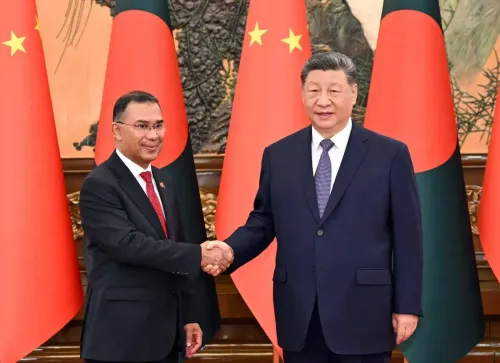
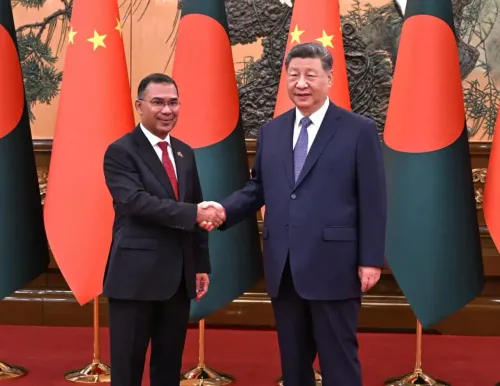
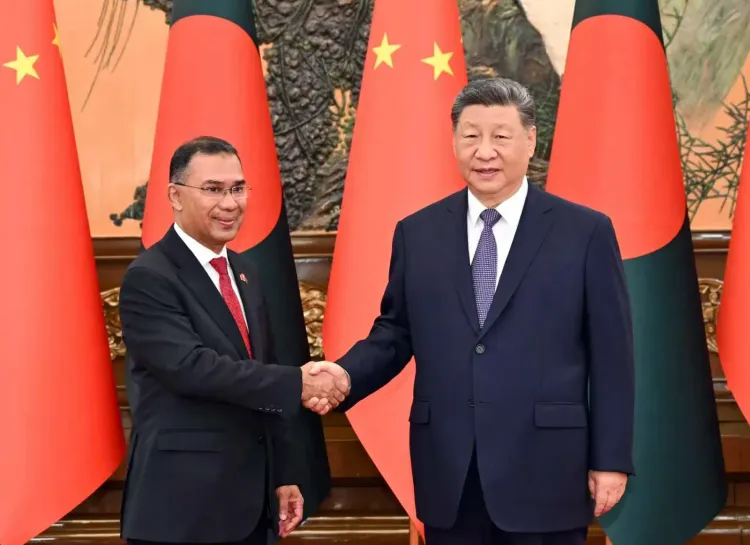
The proposed deal is linked to Prime Minister Tarique Rahman's planned visit to China, covering defence, infrastructure, and economic cooperation.
International defence analysts have questioned the J-10CE's proven combat effectiveness; a 2016 training crash in Hebei Province killed China's first female J-10 pilot, Yu Shu .
The Dhaka Tribune report warns that single-supplier military dependence creates long-term strategic pressure on spare parts, maintenance, and upgrades.
Critics argue the multi-billion-dollar outlay should be weighed against Bangladesh's unmet needs in healthcare , education , and skills development .
The report recommends defence modernisation be aligned with Bangladesh's economic capacity and human resource growth, not pursued ahead of them.
A report by leading Bangladeshi daily Dhaka Tribune has cautioned that Bangladesh's deepening defence and infrastructure ties with China — including a proposed purchase of 20 to 24 J-10CE fighter jets worth several billion dollars — risk creating long-term strategic dependency if not carefully balanced against the country's broader economic and development priorities.
What the Proposed Deal Involves
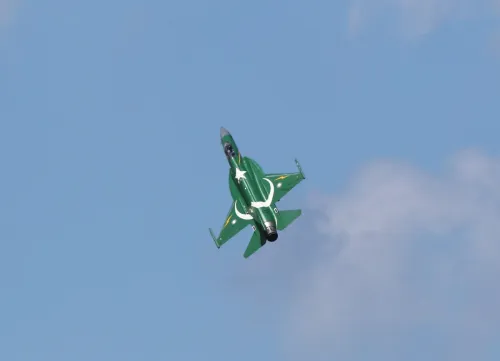
Discussions are reportedly underway following Prime Minister Tarique Rahman's planned visit to China, with the agenda covering possible acquisition of J-10CE multirole fighter jets, military technology cooperation, and Chinese financing for major infrastructure projects. China is marketing the J-10CE as a modern 4.5-generation fighter jet, equipped with an AESA radar, advanced missile systems, and multi-role combat capabilities. However, according to the report, a section of international defence analysts believes the aircraft's actual combat effectiveness has not yet been fully proven in operational conditions.
Questions Over Combat Readiness and Safety Record
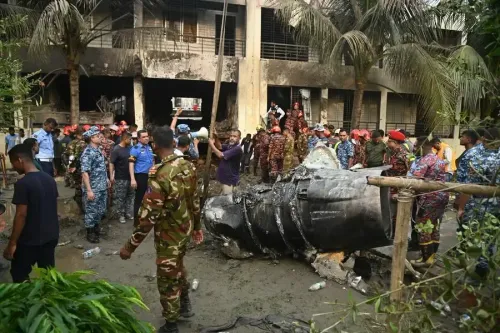
The report flagged concerns about the J-10CE's track record. In 2016, Yu Shu, China's first female J-10 pilot, died in a training crash involving the aircraft in Hebei Province. Beyond the safety record, the report stressed that procuring a fighter jet is not simply about acquiring the platform — it also demands long-term investment in pilot training, spare parts supply chains, maintenance systems, and technical support, all of which would tie Dhaka to Beijing for decades.
The Dependency Risk
Growing reliance on a single country's military technology, the report warned, could generate sustained strategic pressure over future spare parts supplies, maintenance support, and upgrade cycles. This is not a hypothetical concern — several nations that have built defence ecosystems around a single supplier have found themselves constrained in foreign policy choices when bilateral ties deteriorate. The report underlined that Bangladesh's long-term national security rests not on weapons alone but on the foundations of a robust economy, technological advancement, a skilled workforce, and strong social institutions.
Economic Priorities vs. Defence Spending
The report raised pointed questions about whether a multi-billion-dollar defence expenditure is justified for a developing country where critical sectors — healthcare, education, skills development, and employment — continue to face significant resource gaps. It asked directly: if the same capital were channelled into technological education, the health system, or workforce skills, which investment would generate greater long-term national strength?
What the Report Recommends
The Dhaka Tribune report concluded that Bangladesh's defence modernisation should be pursued in alignment with the country's economic capacity, technology development trajectory, and human resource growth — not ahead of them. It urged Dhaka to carefully assess whether deeper defence engagement with China constitutes a necessary strategic investment or lays the groundwork for structural dependency before any deal is finalised.
Point of View
The report's warning about spare-parts dependency is not theoretical — it is the lived experience of Pakistan, Myanmar, and others who built air forces around Chinese platforms and found their operational autonomy constrained when bilateral ties shifted. Dhaka's foreign policy pivot toward Beijing may be rational in the short term, but without diversified sourcing and a clear technology-transfer clause, the J-10CE deal risks trading one form of dependence for another.
NationPress
26 Sept 2026
Frequently Asked Questions
What fighter jets is Bangladesh planning to buy from China?
Bangladesh is reportedly in discussions to purchase 20 to 24 J-10CE multirole fighter jets from China in a deal worth several billion dollars. China describes the J-10CE as a 4.5-generation aircraft equipped with AESA radar and advanced missile systems, though some international analysts say its combat effectiveness has not been fully proven.
Why is the Bangladesh-China defence deal considered risky?
A Dhaka Tribune report warns that dependence on a single country's military technology creates long-term strategic pressure over spare parts, maintenance, and upgrades. It also questions whether a multi-billion-dollar defence outlay is justified given Bangladesh's unmet needs in healthcare, education, and skills development.
What is the J-10CE and has it been used in combat?
The J-10CE is a Chinese-made 4.5-generation multirole fighter jet promoted by China as having AESA radar and modern missile capabilities. According to the report, international defence analysts note its actual combat effectiveness has not yet been fully proven, and a 2016 training crash in Hebei Province killed China's first female J-10 pilot, Yu Shu.
How does this deal relate to PM Tarique Rahman's China visit?
The J-10CE purchase discussions have emerged in the context of Prime Minister Tarique Rahman's planned visit to China, which is expected to cover defence cooperation, military technology transfer, and Chinese financing for major infrastructure projects — signalling a broader shift in Bangladesh's foreign policy orientation.
What does the report recommend for Bangladesh's defence policy?
The Dhaka Tribune report recommends that Bangladesh pursue defence modernisation in alignment with its economic capacity, technology development, and human resource growth. It urges Dhaka to assess whether deeper defence ties with China represent a necessary strategic investment or risk embedding long-term dependency before any deal is finalised.