Bangladesh measles outbreak 2026: Death toll hits 1,057 as crisis deepens
Synopsis
Over a thousand children dead, nearly 180,000 suspected cases, and a damning international report tracing the catastrophe to a deliberate switch in vaccine procurement — Bangladesh's 2026 measles crisis is a textbook case of a preventable disaster. UNICEF reportedly sent up to six formal warnings and held ten meetings with the previous interim government before the outbreak exploded.
Key Takeaways
Four more children died from measles-like symptoms in the 24 hours to 8 am, 20 September 2026 , taking Bangladesh's total measles toll to 1,057 .
Suspected deaths stand at 956 ; laboratory-confirmed deaths at 101 , according to the DGHS .
Total suspected cases have reached 179,814 ; confirmed cases stand at 20,562 .
158,589 patients have been hospitalised since 15 March 2026 ; 152,225 have recovered.
The GCDG report blames vaccine supply disruptions, procurement system changes, and missed immunisations under the former interim government led by Muhammad Yunus .
UNICEF reportedly warned the interim government of a vaccine shortage through 5–6 formal letters and around 10 meetings between 2024 and 2026.
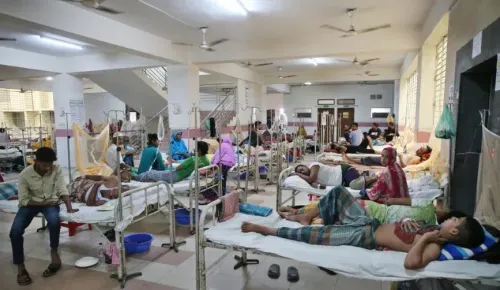
Bangladesh recorded four more child deaths from measles-like symptoms in the 24 hours ending 8 am on 20 September 2026, pushing the cumulative toll from the country's ongoing measles outbreak to 1,057 confirmed and suspected fatalities this year. The figure underscores the scale of what international observers are now calling one of Bangladesh's worst public health emergencies in recent history.
Latest Case and Fatality Figures
According to the Directorate General of Health Services (DGHS), all four newest deaths are classified as suspected measles fatalities, bringing the total suspected deaths to 956. Laboratory-confirmed measles deaths stand at 101. On the case front, 1,148 new suspected cases were logged in the same 24-hour window, pushing total suspected cases to 179,814. A further 88 new confirmed cases raised the laboratory-verified total to 20,562.
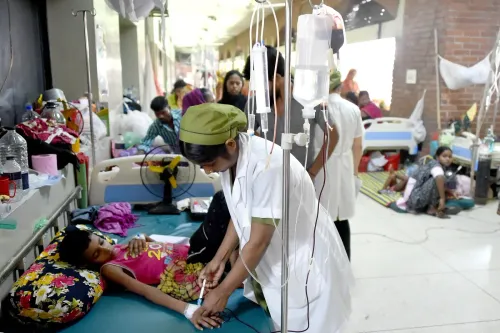
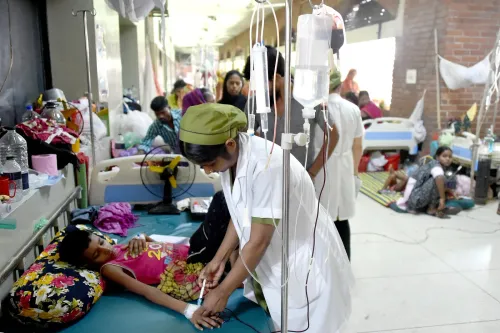
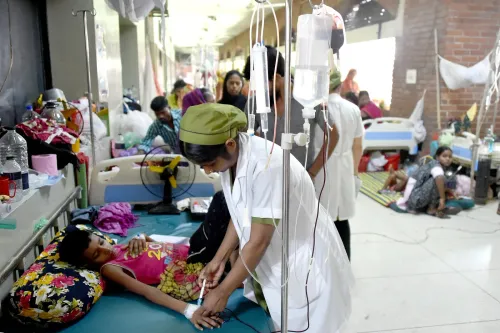
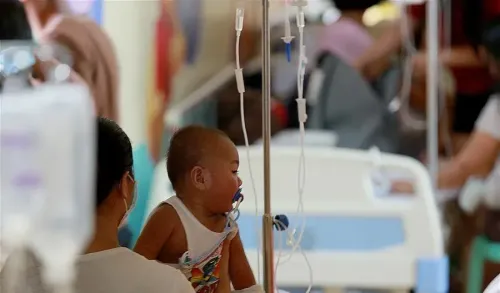
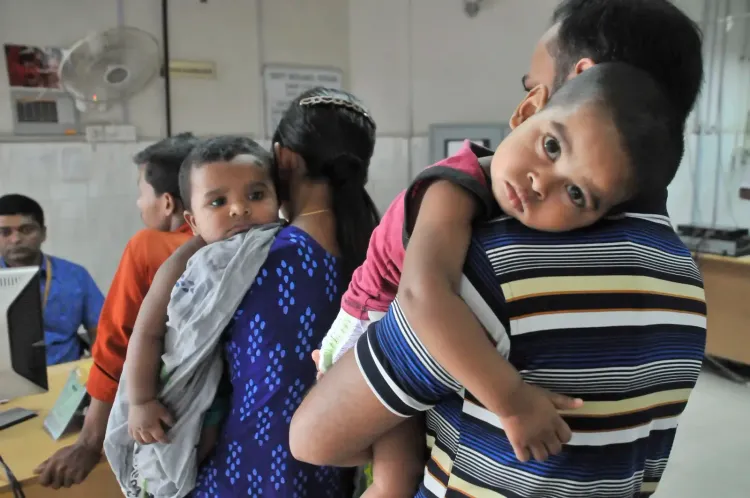
Since 15 March 2026, when the DGHS began systematic tracking, a total of 158,589 patients with measles-like symptoms have required hospitalisation across Bangladesh. Of these, 152,225 have recovered, according to DGHS data.
What Caused the Outbreak
The Canada-based Global Centre for Democratic Governance (GCDG) has published a detailed report titled 'Preventable Tragedy: Bangladesh's 2026 Measles Outbreak', describing the crisis as foreseeable from an epidemiological standpoint, even if it appeared sudden to the general public.
The report traces the roots of the outbreak to a series of systemic failures during 2024–2025, under the former interim government led by Muhammad Yunus. These included disruptions to vaccine supply chains, missed routine immunisations, cancellations of scheduled supplementary immunisation programmes, administrative delays in vaccine procurement, and a failure to identify at-risk populations in time.
Vaccine Procurement at the Centre of Controversy
A particularly pointed finding in the GCDG report concerns a structural change to how Bangladesh sourced its vaccines. Historically, Bangladesh had procured World Health Organisation (WHO)-approved vaccines through UNICEF's established international supply chain. The interim government, however, replaced this system with an open tender procurement process.
Citing UNICEF, the GCDG report states that the agency issued between five and six formal letters and held approximately 10 meetings with the interim government between 2024 and 2026, repeatedly warning of a looming vaccine shortage. Notably, those warnings appear not to have translated into corrective action in time to prevent the outbreak.
Why This Matters Beyond Bangladesh
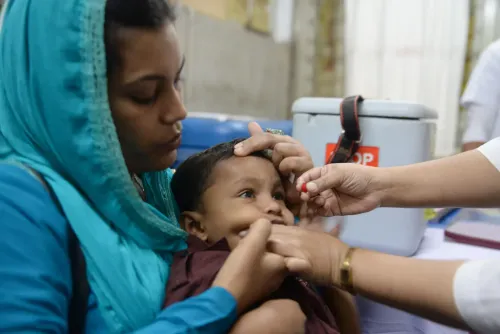
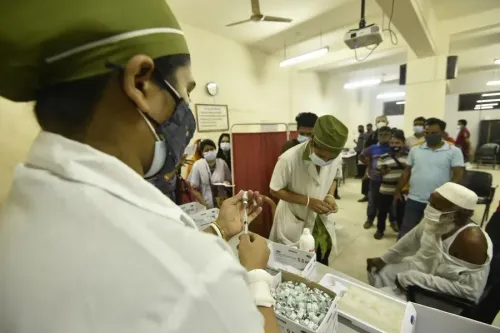
Measles is entirely preventable through a two-dose vaccination schedule. The fact that a country with an established immunisation infrastructure is recording over a thousand deaths — and approaching 180,000 suspected cases — from a vaccine-preventable disease is a stark reminder of how quickly immunisation coverage can erode. Public health experts argue that the Bangladesh experience should serve as a warning for any country that disrupts routine vaccination programmes, even briefly.
With cases still being reported daily and a large share of the population potentially still susceptible, health authorities face the dual challenge of containing current transmission while urgently restoring vaccination coverage to prevent a second wave.
Point of View
Formal warnings that were not acted upon. The switch from a WHO-approved UNICEF supply chain to an open tender process introduced procurement risk that should have been immediately stress-tested against immunisation coverage data. Bangladesh now faces the harder political question of accountability: who received those UNICEF warnings, and why was no corrective action taken before transmission reached epidemic scale?
NationPress
20 Sept 2026
Frequently Asked Questions
What is the current death toll from Bangladesh's 2026 measles outbreak?
As of 20 September 2026, the total number of confirmed and suspected measles deaths in Bangladesh stands at 1,057, according to the DGHS. Of these, 101 are laboratory-confirmed and 956 are suspected measles fatalities.
How many measles cases have been reported in Bangladesh in 2026?
Bangladesh has recorded 179,814 total suspected measles cases and 20,562 laboratory-confirmed cases as of 20 September 2026. A total of 158,589 patients have been hospitalised since tracking began on 15 March 2026.
What caused the measles outbreak in Bangladesh?
According to the GCDG report, the outbreak resulted from vaccine supply disruptions, missed routine immunisations, cancelled supplementary immunisation programmes, administrative procurement delays, and a failure to identify at-risk populations during 2024–2025 under the former interim government led by Muhammad Yunus.
Did UNICEF warn Bangladesh about a vaccine shortage before the outbreak?
Yes. The GCDG report, citing UNICEF, states that the agency sent five to six formal letters and held approximately ten meetings with the interim government between 2024 and 2026 to warn of a potential vaccine shortage. Those warnings reportedly did not result in timely corrective action.
Why did Bangladesh change its vaccine procurement process?
The interim government replaced Bangladesh's established system of procuring WHO-approved vaccines through UNICEF's international supply chain with an open tender procurement process. The GCDG report links this change directly to the supply disruptions that preceded the outbreak.