Bangladesh minority attacks surge post-election, report warns
Synopsis
Despite the BNP's election pledge of a 'rainbow nation' for all faiths, Bangladesh has seen a documented surge in attacks on Hindus and Christians since February 2025 — with mobs numbering hundreds expelling Christian businessmen and assaulting spiritual leaders. Bangladesh ranks 33rd on Open Doors' global persecution index, and observers say the political transition of 2024 has emboldened extremist elements to act more openly.
Key Takeaways
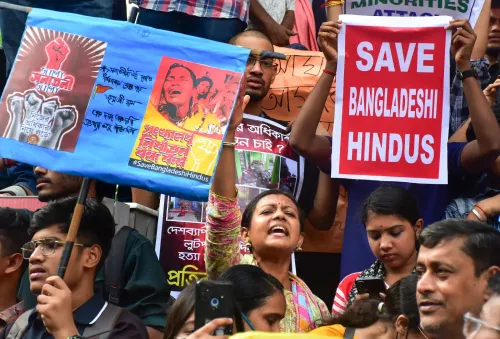
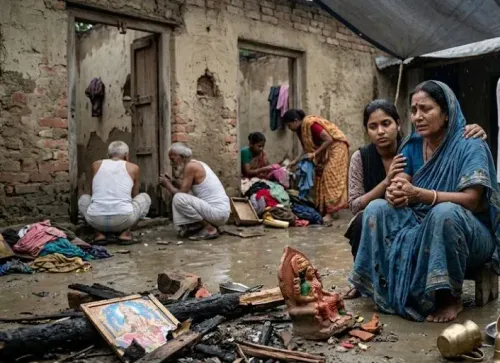
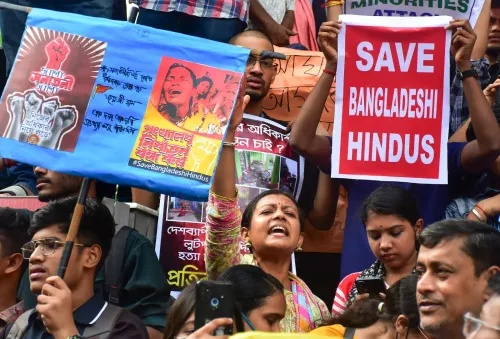
Bangladesh is witnessing a surge in attacks on religious minorities, particularly Hindus and Christians , following the February 2025 elections .
The country ranks 33rd on Open Doors' World Watch List , which tracks the 50 countries with the most severe Christian persecution.
Christian leader Kashem was allegedly beaten by four men on motorbikes and threatened with death if he continued preaching.
A mob of 500–700 people reportedly assaulted convert Atahar , expelled him from his shop, and banned three families from using public roads.
The ruling Bangladesh Nationalist Party (BNP) had pledged an inclusive 'rainbow nation' in its election manifesto — assurances that minority communities say have not translated into protection.
An Open Doors partner in Bangladesh attributes the escalation to a broader trend rooted in the political transition of 2024 .
Bangladesh is experiencing a documented rise in violence against religious minorities, with Hindus and Christians bearing the brunt of reported attacks in the months following the country's February 2025 elections. A report published in the UK's leading Christian publication Christianity magazine has highlighted multiple verified incidents, noting that Bangladesh ranks 33rd on Open Doors' World Watch List — an annual index of the 50 countries where Christians face the most severe persecution.
Attacks on Christian Leaders and Converts
Among the cases cited is that of Kashem, a Christian spiritual leader in Bangladesh who was allegedly assaulted by four men on motorbikes while returning home from a market. The attackers reportedly beat him with sticks and issued a direct threat. 'They beat me with sticks and warned me: If you continue preaching Christianity or sharing the gospel, we will not spare you next time,' Kashem said. According to the report, the assault was so severe that Kashem may not have survived had witnesses not intervened.
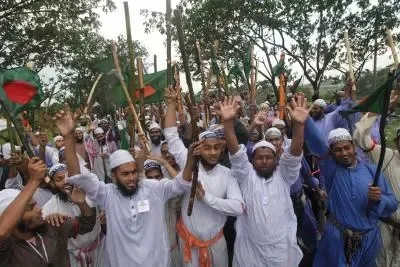
In a separate incident, Atahar, a Christian convert from Islam in a village in northern Bangladesh, was confronted by a mob reportedly numbering between 500 and 700 people outside his shop. Members of the crowd allegedly told him that Christians were not permitted to conduct business in the area, before tying his hands with a rope and forcibly dragging him out. 'I lost my source of income, and I do not know how I will feed my family,' Atahar said. On the same day, two other Christian businessmen were reportedly expelled from their shops, and all three families were subsequently banned from using public roads in the village.
Scale and Pattern of Violence
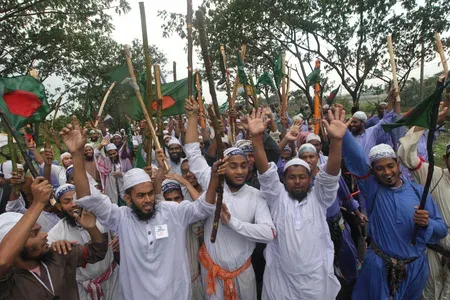
The report stresses that these cases represent only a fraction of a broader surge in attacks against Christians since the February 2025 elections. Hundreds of incidents targeting Christians have been reported across the country, alongside a parallel wave of violence against Hindus. Citing an Open Doors partner operating in Bangladesh, the report notes that many Christians believe the current political environment has emboldened local religious leaders and extremist elements to act more openly — particularly against converts from Islam. 'What we are seeing is rooted in a broader trend that had already been developing since the political transition of 2024,' the report quoted the partner as saying.
BNP's Inclusive Pledges Under Scrutiny
The ruling Bangladesh Nationalist Party (BNP), which secured a landslide victory in the February elections, had campaigned on the promise of building a 'rainbow nation' inclusive of all ethnic and religious communities. Its manifesto pledged that 'regardless of whether Muslim, Hindu, Buddhist, Christian, people of the hills, or people of the plains, and regardless of whether rich or poor, together they shall build a national unity and an indivisible national identity.' The party's document further declared that 'religion is individual; the state is for all,' committing to end divisions through a unified Bangladeshi national identity.
Despite these assurances, many Christians and Hindus in Bangladesh reportedly say that attacks and intimidation against their communities have intensified in the months since the election — a sharp contradiction of the BNP's stated platform.
Context: Open Doors World Watch List
Bangladesh's ranking of 33rd on the Open Doors World Watch List places it among the most challenging environments for Christians globally. The list, published annually, tracks persecution severity across 50 countries. The current pattern of violence, according to the report, reflects a deterioration that began during the political transition of 2024 and has accelerated since the new government took office.
With minority communities reportedly living under heightened fear and no official government response yet publicly documented, the situation in Bangladesh is drawing growing scrutiny from international human rights observers.
Point of View
Official condemnations, or policy interventions? The silence on that front is as telling as the incidents themselves. Bangladesh's trajectory since the 2024 political transition suggests that the violence is structural, not episodic — and episodic responses, if any, will not be enough.
NationPress
24 Sept 2026
Frequently Asked Questions
What is happening to religious minorities in Bangladesh?
Bangladesh is witnessing a documented surge in attacks on religious minorities, particularly Hindus and Christians, in the months following the February 2025 elections. Reports cite mob assaults, expulsions from businesses, and death threats against Christian leaders and converts from Islam.
Where does Bangladesh rank on the Open Doors World Watch List?
Bangladesh ranks 33rd on Open Doors' World Watch List, an annual index of the 50 countries where Christians face the most severe persecution. The ranking reflects a deteriorating environment for religious minorities that observers say has worsened since the political transition of 2024.
What did the BNP promise regarding religious minorities?
The ruling Bangladesh Nationalist Party (BNP), which won a landslide in the February 2025 elections, pledged to build a 'rainbow nation' inclusive of all faiths. Its manifesto stated that 'religion is individual; the state is for all' — commitments that minority communities say have not been upheld since the election.
Who are Kashem and Atahar, and what happened to them?
Kashem is a Christian spiritual leader in Bangladesh who was allegedly beaten by four men on motorbikes and threatened with death if he continued preaching. Atahar is a Christian convert from Islam who was assaulted by a mob of 500 to 700 people, expelled from his shop, and had his family banned from using public roads — both cases cited in a report by UK magazine Christianity.
Why are attacks on minorities increasing in Bangladesh?
According to an Open Doors partner cited in the report, the current political environment has emboldened local religious leaders and extremist elements to act more openly against minorities, especially converts from Islam. The report attributes the trend to a broader deterioration that began during Bangladesh's political transition in 2024 and has accelerated since.