Bangladesh power crisis 2026: Fuel costs, debt cripple 30 GW capacity
Synopsis
Bangladesh has built enough power plants to meet peak demand — nearly 30 GW — yet the lights keep going out. A new report reveals the real crisis isn't generation capacity; it's a combustible mix of collapsing domestic gas output, unaffordable LNG imports inflated by Middle East tensions, and $4.1 billion in mounting fuel subsidies that the new government can ill afford.
Key Takeaways
Bangladesh entered 2026 with nearly 30 GW of installed power capacity — above peak demand — yet power shortages worsened, according to S&P Global data.
Domestic gas production fell 38 per cent between 2015 and 2025 , forcing state-owned Petrobangla to sharply increase LNG imports.
The government has incurred nearly $4.1 billion in additional costs and spends millions monthly to shield citizens from global fuel price shocks.
Bangladesh imported approximately 65 per cent of its energy needs last year, leaving it highly vulnerable to external price volatility.
A report by US-based Asia Sentinel described the situation as a systemic shift from a 'physical capacity dilemma' to one 'shaped by fuel security, debt and affordability.'
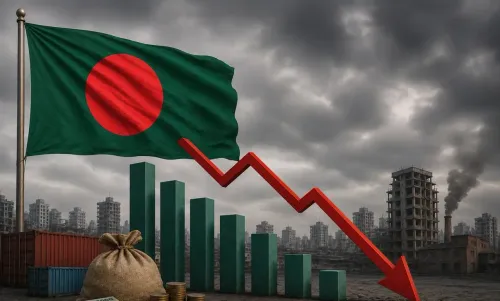
Bangladesh's electricity sector is ensnared in a deepening structural crisis, with a new report warning that the country's power shortages stem not from a lack of generation capacity but from an inability to afford and secure adequate fuel. Despite entering 2026 with nearly 30 GW of installed power generation capacity — well above its peak electricity demand, according to S&P Global data — the country has seen power cuts worsen, driven by tighter gas supplies, rising imported fuel costs, and mounting financial stress on power plants.
A Surplus That Cannot Power the Country
The core contradiction at the heart of Bangladesh's energy crisis is striking: more installed capacity than peak demand, yet persistent and worsening shortages. According to a report by US-based Asia Sentinel, Bangladesh has spent years adding electricity generation capacity without resolving the structural barriers that prevent plants from operating at full capacity.
'Bangladesh has spent years adding electricity generation capacity, but the country is still struggling with major power shortages. The contradiction points to a deeper problem,' the report noted.
The Asia Sentinel report characterised the situation as 'a systemic problem, leading to yet another South Asian energy and electricity crisis,' one that has 'shifted a physical generating capacity dilemma to one increasingly shaped by fuel security, debt and affordability.'
Domestic Gas Decline and the LNG Trap
Bangladesh remains heavily reliant on natural gas for power generation, but domestic production has contracted sharply. Major gas fields such as Titas and Bibiyana have matured and lost output, with domestic gas production falling 38 per cent between 2015 and 2025, according to the report. This compelled state-owned Petrobangla to ramp up imports of liquefied natural gas (LNG).
What began as a bridging measure has since become a structural dependency. The government's excessive reliance on LNG as a solution to the domestic gas shortfall has created what the report describes as 'a structural and financial quandary,' as global LNG prices — further inflamed by the ongoing Middle East conflict — have made imports increasingly unaffordable.
Fiscal Strain Mounts as Import Bill Surges
The financial toll is substantial. A separate recent report indicated that Bangladesh's new government has incurred nearly $4.1 billion in additional costs and continues to spend millions of dollars each month to shield citizens from the global fuel price shock — even as economic growth slows and inflation climbs.
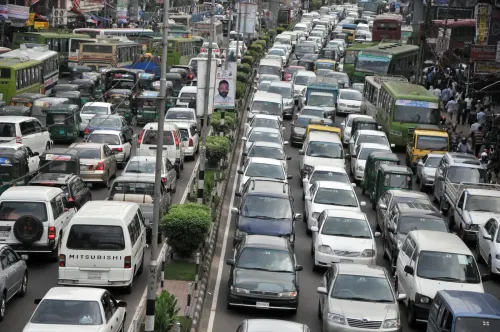
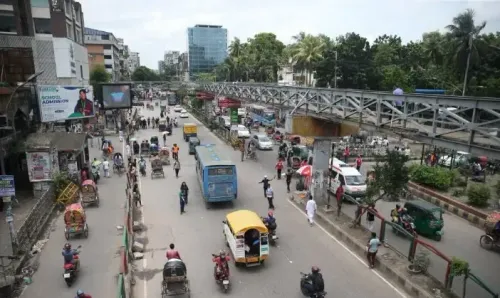
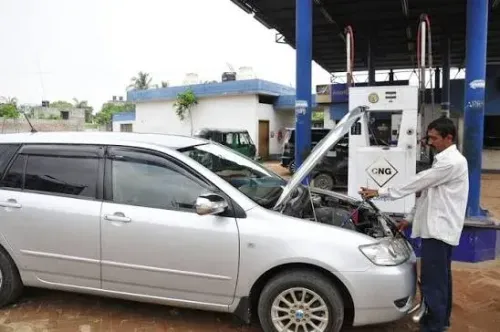
Bangladesh imported approximately 65 per cent of its energy needs last year, leaving it acutely exposed to external price volatility. The knock-on effects are visible across daily life — power cuts, long queues at petrol stations, and higher costs for transport and food.
A Familiar South Asian Pattern
The situation mirrors energy crises seen elsewhere in South Asia, including in Sri Lanka and Pakistan in recent years, where generation capacity expansions outpaced the ability to finance fuel procurement and service power-sector debt. Critics argue that Bangladesh's energy policy overweighted capacity additions while underinvesting in domestic gas exploration and energy efficiency.
Notably, the crisis also comes at a politically sensitive moment for the country's new administration, which inherited the structural vulnerabilities but now owns the fiscal consequences. How Dhaka manages power-sector debt, renegotiates LNG supply contracts, and restrains subsidies while protecting vulnerable households will define the medium-term trajectory of the crisis.
What Comes Next
Analysts say meaningful relief requires a combination of steps: accelerating domestic gas exploration, diversifying fuel sources, restructuring power-purchase agreements with independent power producers, and securing concessional financing for energy imports. Without these, the gap between Bangladesh's impressive installed capacity and its actual delivered power is likely to persist — and widen — as fuel costs remain elevated and debt servicing pressures grow.
Point of View
Not an energy solution. The LNG dependency — originally a bridge — has become the bridge that is collapsing, and the $4.1 billion subsidy bill shows how quickly fuel price exposure can metastasise into sovereign fiscal risk. What mainstream coverage underplays is the demand-side failure: had Bangladesh invested proportionately in gas exploration renewal and energy efficiency alongside generation additions, the structural quandary described by Asia Sentinel would look very different. The new government inherits a problem years in the making, but the policy choices ahead — on LNG renegotiation, subsidy reform and domestic exploration — are entirely its own.
NationPress
16 Nov 2026
Frequently Asked Questions
Why is Bangladesh facing a power crisis despite having 30 GW of installed capacity?
Bangladesh's power crisis in 2026 stems not from a lack of generation capacity but from an inability to afford adequate fuel to run its plants at full capacity. A sharp decline in domestic gas output, rising LNG import costs worsened by Middle East tensions, and mounting power-sector debt have left much of its 30 GW of installed capacity underutilised, according to a report by US-based Asia Sentinel.
How much has Bangladesh's domestic gas production fallen?
Domestic gas production in Bangladesh fell 38 per cent between 2015 and 2025, as major fields such as Titas and Bibiyana matured and lost output. This forced state-owned Petrobangla to significantly increase imports of liquefied natural gas (LNG).
How much is Bangladesh's energy crisis costing the government?
Bangladesh's new government has incurred nearly $4.1 billion in additional costs and is spending millions of dollars each month to insulate citizens from the global fuel price shock, according to a separate recent report. This comes as economic growth slows and inflation rises.
How dependent is Bangladesh on energy imports?
Bangladesh imported approximately 65 per cent of its energy needs last year, making it acutely vulnerable to global price swings. This heavy import dependency has contributed to power cuts, long queues at petrol stations, and higher costs for transport and food.
What solutions could help resolve Bangladesh's power sector crisis?
Analysts suggest a combination of accelerating domestic gas exploration, diversifying fuel sources, restructuring power-purchase agreements with independent producers, and securing concessional financing for energy imports. Without these structural fixes, the gap between installed capacity and actually delivered electricity is likely to persist as fuel costs remain elevated.