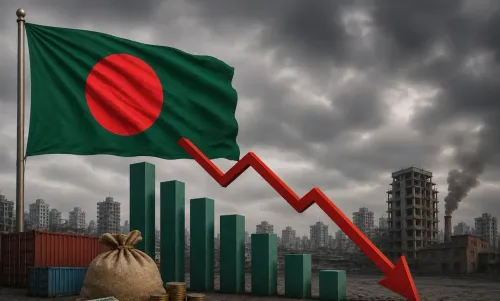
Bangladesh spends $4.1 billion extra amid global fuel shock as growth slows
Synopsis
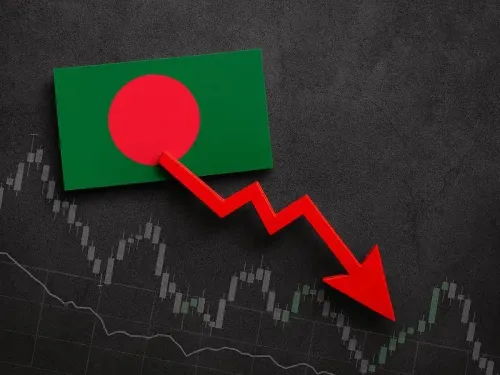
Bangladesh's new government has racked up $4.1 billion in extra energy costs since a US-Iran conflict spiked global fuel prices — and the IMF has now cut its 2027 growth forecast for the country to 3.2%, placing it behind Cambodia and Nepal. With inflation heading toward 10.9% and multilateral lenders already stretched, the Rahman administration's reform pitch faces its first major credibility test.
Key Takeaways
Bangladesh has incurred nearly $4.1 billion in additional energy costs amid the global fuel shock.
The country imports about 65 per cent of its energy needs, leaving it highly exposed to global price swings.
The IMF has cut Bangladesh's 2027 growth forecast to 3.2 per cent , down from 3.6 per cent for the current year.
Bangladesh's inflation is projected to rise to 10.9 per cent in 2027, up from 8.7 per cent this year.
The IMF has disbursed nearly $3.6 billion to Bangladesh since 2023 ; the World Bank and ADB have also provided additional loans.
Prime Minister Tarique Rahman , in office since 17 February , is betting on foreign investment in electronics, deep-sea ports, and solar power to drive recovery.
Bangladesh has incurred nearly $4.1 billion in additional energy costs and continues to spend millions of dollars every month to shield its citizens from a global fuel shock, even as economic growth decelerates and inflation climbs, according to a new report. The findings underscore the mounting fiscal pressure on Dhaka as it navigates one of the most difficult external environments in recent memory.
Scale of the Energy Crisis
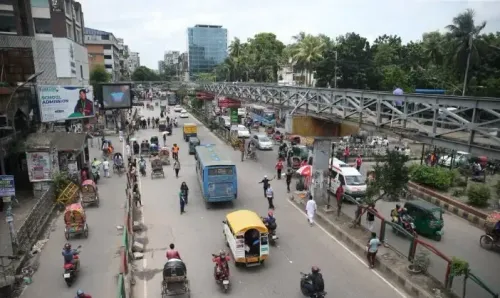
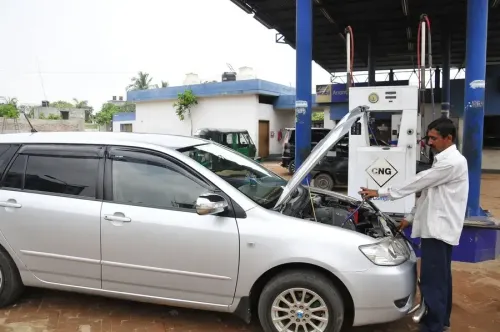
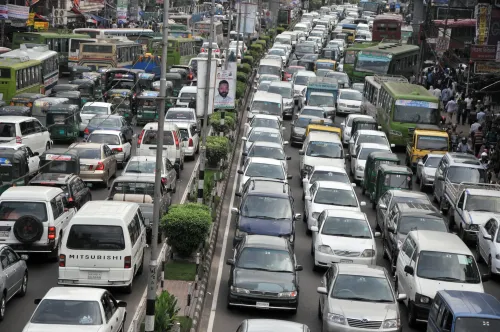
Bangladesh imported roughly 65 per cent of its energy requirements last year, leaving it acutely exposed when global oil and gas prices spiked following US military strikes on Iran in March. The consequences have been visible on the ground: widespread power cuts, long queues at petrol stations, and sharply higher costs for transport and food that have squeezed household budgets across the country.
New Government Inherits a Structural Problem
Prime Minister Tarique Rahman, who assumed office on 17 February after campaigning on a platform of economic and social reform, was confronted almost immediately by the external shock. An adviser to Rahman, Rashed Al Mahmud Titumir, acknowledged that the impact of the energy shock should have been partially cushioned by solar power, but said that 'the previous government didn't build any sustainable energy security infrastructure' — pointing to deep-rooted vulnerabilities that predate the current administration.
Multilateral Support and IMF Projections
International lenders have stepped in to ease the burden. The World Bank and the Asian Development Bank (ADB) have provided hundreds of millions of dollars in loans, while the International Monetary Fund (IMF) has disbursed nearly $3.6 billion to Bangladesh since 2023. Nevertheless, the IMF this week trimmed its growth forecast for Bangladesh for 2027 to 3.2 per cent, down from 3.6 per cent projected for the current year — placing the country behind Cambodia and Nepal among developing Asian economies. The Fund also forecast that inflation will rise to 10.9 per cent in 2027, up from 8.7 per cent this year.
Dhaka Pushes Back on IMF Outlook
Bangladesh's government has contested the IMF's projections, maintaining that they 'had not fully taken into account the impact of its structural reforms of financial institutions, indebted businesses and a hollowed-out welfare state.' Titumir, for his part, expressed optimism that future growth would be driven by foreign direct investment into new manufacturing sectors — including electronics and toys — along with infrastructure development, solar power expansion, deep-sea ports, and the creation of new special economic zones.
What Lies Ahead
The trajectory of Bangladesh's economy in the near term will depend heavily on global energy price movements and the pace at which the Rahman administration can implement structural reforms and attract foreign investment. With multilateral disbursements already committed and the reform agenda publicly stated, the coming months will test whether Dhaka can convert crisis-driven spending into a credible long-term recovery.
Point of View
But the more revealing detail is the admission from within the Rahman administration that solar infrastructure was never built at scale. The structural gap is not new; it was inherited. Dhaka's pushback on IMF projections is politically understandable, but without a credible reform timeline and verifiable investment inflows, it risks looking like a statement of hope rather than a counter-projection.
NationPress
15 Oct 2026
Frequently Asked Questions
Why has Bangladesh incurred $4.1 billion in additional energy costs?
Bangladesh has spent nearly $4.1 billion in extra costs because global oil and gas prices surged following US military strikes on Iran in March 2026. The country imports about 65 per cent of its energy needs, making it highly vulnerable to such external shocks.
What is the IMF's latest growth forecast for Bangladesh?
The IMF has cut Bangladesh's growth forecast for 2027 to 3.2 per cent, down from 3.6 per cent for the current year. This places Bangladesh behind Cambodia and Nepal among developing Asian economies.
How much financial support has Bangladesh received from international lenders?
The IMF has disbursed nearly $3.6 billion to Bangladesh since 2023. The World Bank and the Asian Development Bank have separately provided hundreds of millions of dollars in loans to help ease the country's energy bill.
What is Prime Minister Tarique Rahman's plan to revive growth?
Rahman's adviser Rashed Al Mahmud Titumir has outlined a recovery strategy anchored in foreign investment into new manufacturing sectors such as electronics and toys, along with solar power, deep-sea ports, infrastructure, and new special economic zones.
Why does Bangladesh's government dispute the IMF's projections?
Dhaka argues that the IMF's forecasts do not fully account for the impact of its ongoing structural reforms targeting financial institutions, indebted businesses, and the welfare state. The government believes these reforms will improve the country's economic trajectory beyond what the Fund has modelled.