Bangladesh drops 55 places to 79th in WEF Gender Gap Index 2026
Synopsis
Bangladesh has recorded the steepest gender parity fall in the world — a 55-place drop to 79th — in WEF's 2026 Global Gender Gap Index. With parliamentary gender parity at a record low of 2.4 per cent and a legal mandate of 33 per cent female representation in party committees by 2030 currently standing at just 2.33 per cent, the gulf between policy and reality has rarely been more visible.
Key Takeaways
Bangladesh dropped 55 places to rank 79th in the WEF Global Gender Gap Index 2026 — the sharpest fall among 145 economies.
The country now closes just 71.2 per cent of its gender gap, down from 77.5 per cent the previous year.
Political empowerment deteriorated by 21.2 percentage points ; Bangladesh slid from 3rd to 12th globally in that sub-index.
Parliamentary gender parity hit a record low of 2.4 per cent during the measured period.
Economic Participation and Opportunity parity fell from 45.7 per cent to 41.9 per cent , hurt by drops in earned income, labour-force participation, and senior leadership.
Bangladesh's RPO mandates 33 per cent female representation in party committees by 2030 ; current levels stand at only 2.33 per cent .
Bangladesh has plunged 55 positions to rank 79th in the World Economic Forum's (WEF) Global Gender Gap Index 2026, recording the steepest single-year decline among all 145 economies assessed. The country now closes just 71.2 per cent of its gender gap, a sharp retreat from 77.5 per cent the previous year, according to the index's 20th edition released on 17 September 2026.
Political Empowerment: The Sharpest Drop
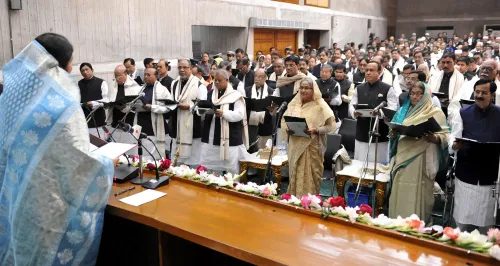
The most damaging slide came in political empowerment, where Bangladesh shed 21.2 percentage points — the single largest contributor to its overall fall. The country slipped to 12th globally in this sub-index, with gender parity now at 50.9 per cent, a dramatic decline from third place in the previous edition. Parliamentary gender parity fell to a record low of 2.4 per cent during the measured period.
Fahmida Khatun, Distinguished Fellow at the Centre for Policy Dialogue (CPD) in Dhaka, said women had historically held a stronger foothold in Bangladesh's political sphere — occupying roles as Prime Minister, Speaker of Parliament, and directly elected members of parliament. 'However, the data used in the 2026 index show that women's political participation has declined from previous years. The share of women among directly elected MPs has fallen, as has their representation among ministers. This has weakened Bangladesh's performance in political empowerment,' she said, speaking to The Business Standard.
Economic Participation Also Weakens
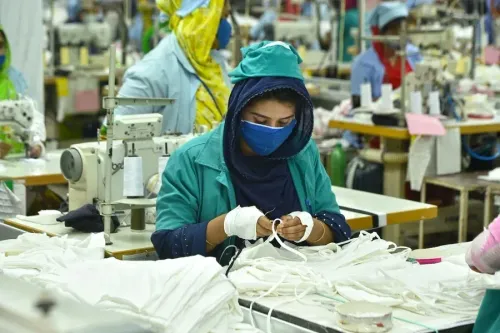
Bangladesh performed its worst in the Economic Participation and Opportunity sub-index, closing just 41.9 per cent of the gap in 2026, down from 45.7 per cent in the prior year. The decline was driven by lower parity in estimated earned income (down 15 percentage points), labour-force participation (down 5.7 percentage points), and senior workforce leadership (down 1.3 percentage points).
UNDP Warning and Electoral Gaps
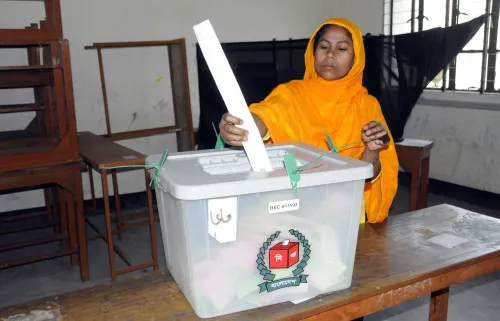
The findings align with earlier warnings from the United Nations Development Programme (UNDP), which flagged this year that Bangladesh's electoral landscape reveals a persistent gender divide: women remain active as voters, but their transition into leadership roles is, according to the UNDP, 'alarmingly slow.'
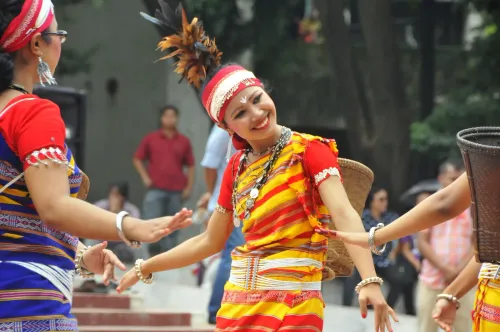
A dialogue held in Dhaka, jointly organised by the UNDP and the Bangladesh Election Commission (BEC), opened with a symbolic performance titled 'Women to Discover, Develop, and Lead', aimed at amplifying women's voices in the democratic process.
Regulatory Mandate Versus Ground Reality
The gap between policy intent and practice is stark. Bangladesh's Representation of the People Order (RPO) mandates 33 per cent female representation in political party committees by 2030. The current level stands at a mere 2.33 per cent — prompting calls for urgent, coordinated action.
Bangladesh Election Commissioner Anwarul Islam Sarker placed responsibility firmly with political parties, stating: 'Political parties must take more initiatives regarding nominations for women candidates. The Election Commission acts as a referee; without initiatives from both sides, progress is not possible.'
What Comes Next
With Bangladesh now ranked below its historical position on gender equity, pressure is building on both political parties and state institutions to operationalise the RPO mandate well ahead of the 2030 deadline. Whether the incoming electoral cycle prompts a genuine increase in women's nominations — or another cycle of symbolic gestures — will be closely watched by civil society and international observers alike.
Point of View
Intentionally or not, displaced women from positions they had held for decades. The country once cited its female heads of state and cabinet representation as proof of exceptional gender progress; the 2026 data expose how much of that progress was concentrated at the top, fragile, and tied to individual political cycles rather than structural reform. Most strikingly, the RPO's 33 per cent party-committee mandate — set for 2030 — sits at 2.33 per cent today, meaning the country would need to grow female political representation by a factor of fourteen in under four years. That is not a credibility gap; it is a governance failure hiding in plain sight.
NationPress
17 Sept 2026
Frequently Asked Questions
Why did Bangladesh drop so sharply in the WEF Gender Gap Index 2026?
Bangladesh fell 55 places to 79th because of a steep 21.2-percentage-point drop in political empowerment and a notable decline in economic participation, pushing its overall gender gap closure from 77.5 per cent to 71.2 per cent. Fewer women were elected as MPs and appointed as ministers compared to previous years, according to the WEF index data.
What is the WEF Global Gender Gap Index and how is it measured?
The WEF Global Gender Gap Index benchmarks gender parity across 145 economies on four sub-indices: Economic Participation and Opportunity, Educational Attainment, Health and Survival, and Political Empowerment. A score of 100 per cent would mean full parity; Bangladesh closed 71.2 per cent of its gap in 2026, its lowest in recent years.
How bad is Bangladesh's parliamentary gender parity?
Parliamentary gender parity in Bangladesh fell to a record low of 2.4 per cent during the period measured by the 2026 index, down from a much higher level in previous years. The country's own Representation of the People Order mandates 33 per cent female representation in political party committees by 2030, a target currently standing at just 2.33 per cent.
Who is responsible for improving women's political participation in Bangladesh?
Election Commissioner Anwarul Islam Sarker has placed primary responsibility on political parties, saying they must take more initiative in nominating women candidates. The Election Commission, he noted, can only act as a referee — structural change requires action from both parties and state institutions.
What has the UNDP said about women's political representation in Bangladesh?
The UNDP flagged earlier in 2026 that Bangladesh's electoral landscape shows a persistent gender divide, with women active as voters but their transition to leadership roles described as 'alarmingly slow.' The UNDP and the Bangladesh Election Commission jointly held a dialogue in Dhaka to promote women's democratic participation.