Bangladesh indigenous women face budget bias, patriarchy in local governance
Synopsis
Women elected to represent three wards in Bangladesh's union parishads receive smaller budgets than male counterparts representing just one — a structural inequity that experts say epitomises how plainland indigenous women are kept at the margins of local governance despite holding formal office.
Key Takeaways
A roundtable in Dhaka on 7 August flagged structural barriers blocking plainland indigenous women from meaningful political leadership in Bangladesh .
Women elected to reserved seats represent three wards but receive significantly smaller budget allocations than male members representing a single ward.
Researcher Pavel Partha highlighted the absence of ethnic identity data in national voter registration forms, making it impossible to count indigenous voters or elected representatives.
Indigenous women's participation in Gram Adalats and 13 standing committees at the union parishad level remains largely symbolic, according to experts.
The event was jointly organised by IFES Bangladesh and PUMDO , with support from the Embassy of Sweden .
Plainland indigenous women in Bangladesh continue to face entrenched barriers to meaningful political leadership despite a measurable rise in their representation in union parishads, according to experts who spoke at a roundtable in Dhaka on 7 August. Structural budgetary discrimination, political marginalisation, and deeply rooted patriarchal attitudes were identified as the primary obstacles blocking effective governance participation.
Key Developments at the Roundtable
The conference, titled 'Meaningful Participation and Political Leadership of Plainland Indigenous Women in Local Governance', was jointly organised by the International Foundation for Electoral Systems (IFES) Bangladesh and the People's Union of the Marginalised Development Organisation (PUMDO), with support from the Embassy of Sweden, at The Daily Star Centre in Dhaka.
Speakers at the event called on the government to provide women elected to reserved seats with equitable funding and allowances covering all three wards they represent — a direct response to a documented funding gap. They also urged authorities to ensure effective participation of indigenous women in standing committees and Gram Adalats, and to reinforce safeguards for their land rights.
The Data Gap Problem
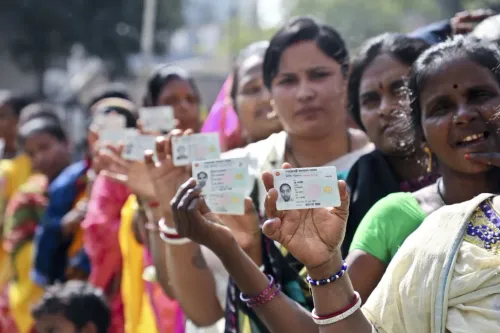
Researcher and activist Pavel Partha, in his keynote presentation, highlighted a foundational problem: the national voter registration form does not include a field for ethnic identity, making it impossible to determine the precise number of indigenous voters or elected women representatives across Bangladesh.
Partha further noted that despite Gram Adalats handling land disputes, domestic conflicts, and cases of violence against women at the union parishad level, indigenous women's participation in village courts and across the 13 standing committees remains largely symbolic, effectively excluding them from substantive decision-making.
Budget Inequity and Patriarchal Resistance
Rights activist Shanjida Khan Ripa drew sharp attention to a structural inequity: women elected to reserved seats represent three wards but receive significantly smaller budget allocations than male members who represent only a single ward. This disparity, she argued, is central to women's marginalisation in local governance.
Haimanti Sarkar, Chief Executive Officer of PUMDO, said that indigenous women 'who seek economic independence, enter politics or take on leadership roles routinely face patriarchal resistance, with character assassination often used to silence them.' She added that women in leadership positions are frequently subjected to social stigma, defamation, baseless allegations, and hostility simply for exercising their rights and working for their communities.
What Experts Are Calling For
Rumana Amin Archi, Deputy Country Director of IFES Bangladesh, said in her welcome address that an inclusive democracy can only be achieved by addressing the distinct socio-political and structural challenges faced by marginalised communities. She stressed the importance of bringing the leadership potential of plainland indigenous women into mainstream governance discussions.
Speakers also emphasised the need for structured administrative capacity-building for women leaders at the grassroots level, while urging indigenous communities themselves to address internal divisions, social stigma, and substance abuse — and to demand greater accountability from authorities.
Bangladeshi lawmaker Anna Minj, who addressed the gathering as Chief Guest, lauded grassroots women representatives for overcoming systemic challenges while continuing to serve their communities. With structural reforms yet to be enacted, the path from symbolic representation to genuine political agency for plainland indigenous women in Bangladesh remains a work in progress.
Point of View
The governance system is structurally designed to make her fail. Bangladesh's broader democratic transition conversation rarely centres indigenous women, and the absence of disaggregated ethnic data in voter rolls means the problem remains invisible to policymakers who rely on numbers to act. Symbolic inclusion without resource parity is not representation — it is a liability dressed as progress.
NationPress
22 Sept 2026
Frequently Asked Questions
What barriers do plainland indigenous women face in Bangladesh's local governance?
Plainland indigenous women in Bangladesh face structural budgetary discrimination, political marginalisation, and deep-rooted patriarchal attitudes that limit their ability to exercise meaningful leadership in union parishads. Experts at a Dhaka roundtable on 7 August also highlighted their largely symbolic participation in Gram Adalats and standing committees.
Why do indigenous women in Bangladesh's union parishads receive smaller budgets?
Women elected to reserved seats in union parishads represent three wards but reportedly receive significantly smaller budget allocations than male members who represent only a single ward. Rights activist Shanjida Khan Ripa identified this disparity as a central mechanism of women's marginalisation in local governance.
What is the data gap problem affecting indigenous women in Bangladesh?
The national voter registration form in Bangladesh does not include a field for ethnic identity, making it impossible to determine the exact number of indigenous voters or elected women representatives. Researcher Pavel Partha raised this issue at the roundtable, calling it a foundational obstacle to evidence-based policymaking.
Who organised the Dhaka roundtable on indigenous women's political participation?
The roundtable was jointly organised by the International Foundation for Electoral Systems (IFES) Bangladesh and the People's Union of the Marginalised Development Organisation (PUMDO), with support from the Embassy of Sweden, and was held at The Daily Star Centre in Dhaka.
What did experts recommend to improve indigenous women's political participation in Bangladesh?
Experts called on the government to provide equitable funding and allowances for women in reserved seats covering all three wards they represent, ensure their effective participation in standing committees and Gram Adalats, and reinforce land rights safeguards. They also urged structured capacity-building programmes for grassroots women leaders.