Bangladesh juvenile violence crisis: Murder of 13-year-old in Cumilla sparks alarm
Synopsis
The murder of a 13-year-old in Cumilla has brought Bangladesh's juvenile violence crisis into sharp focus. Experts warn that a toxic mix of poverty, social media-driven gang culture, school dropouts, and a rehabilitation-deficient justice system is pushing vulnerable children toward serious crime — and that policing alone cannot fix it.
Key Takeaways
The murder of 13-year-old Ishayat Shahriar Apratim in Cumilla district has spotlighted Bangladesh's escalating juvenile violence problem.
A I Mahbub Uddin Ahmed of Dhaka University cited poverty, unemployment, school dropouts, and child labour as structural drivers.
Helal Uddin Ahmed of the National Institute of Mental Health and Hospital warned that TikTok, Facebook, Instagram, and YouTube are normalising adolescent aggression and gang identity.
Criminologist Rezaul Karim Shohag called for coordinated action between families, schools, communities, law enforcement, and the state.
Researcher Shahzeb Mahmood flagged the absence of adequate juvenile detention facilities and a legislative gap in rehabilitation-focused laws.
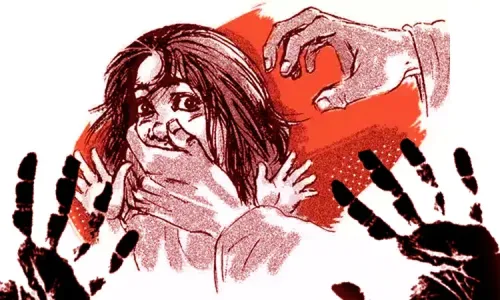
The murder of 13-year-old Ishayat Shahriar Apratim in Cumilla district, Bangladesh, has reignited a nationwide conversation about juvenile violence, adolescent gang culture, and the structural failures that push children toward crime. A fresh assessment by experts, published in Bangladesh's Business Standard, lays out a sobering picture of a country struggling to protect its most vulnerable young people.
The Cumilla Case and What It Signals
The circumstances surrounding Apratim's death have yet to be fully resolved, but the case has already galvanised experts, policymakers, and civil society. It is far from isolated — rising incidents of child-on-child violence across Bangladesh have been documented in recent months, pointing to systemic breakdowns rather than one-off tragedies.
Notably, this case draws attention to the intersection of poverty, fractured family environments, peer pressure, and the unfiltered influence of digital platforms on adolescent behaviour.
Roots of the Crisis: Poverty, Dropouts and Social Fragmentation
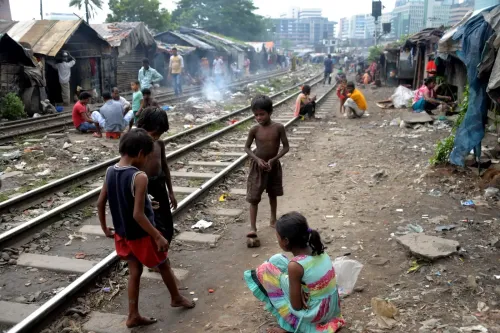
A I Mahbub Uddin Ahmed, honorary and supernumerary professor at Dhaka University, identified poverty and unemployment as core structural drivers. He pointed to rising school dropout rates, child labour, and child marriage as symptoms of wider macro-level failures that cascade down to the individual and family level.
'The solution, therefore, cannot lie in policing alone. We must address the conditions that shape behaviour from childhood: the family, education, economic opportunity and the wider social environment. Unless these foundations are strengthened and young people are given positive alternatives, violence and crime will continue to emerge as symptoms of deeper social and institutional failures,' Ahmed said.
How Social Media Is Fuelling Adolescent Gang Culture
Helal Uddin Ahmed, an associate professor at the National Institute of Mental Health and Hospital in Dhaka, flagged the corrosive role of social media platforms. 'A kind of gang culture has emerged among adolescents, and social media has played a role in this. Whether it is TikTok, Facebook, Instagram or YouTube, technology has created an environment where young people want to grow up quickly, display aggression or appear cool. They may think, if I do something violent, I become cool. If I make a video and post it, I will gain attention,' he said.
This dynamic, experts argue, is accelerating the normalisation of violence among impressionable teenagers who lack adequate offline mentorship or structured recreational outlets.
What Experts Say Must Change
Rezaul Karim Shohag, chairman of the Department of Criminology at Dhaka University, called for coordinated action spanning families, schools, communities, law enforcement, and the state. 'Ultimately, preventing juvenile crime requires coordination between families, schools, communities, law-enforcement agencies and the state. If these institutions work separately, the problem will continue to reproduce itself. If they work together, intervention can begin before vulnerable children become involved in serious crime,' he told Business Standard.
He also pressed the government to directly tackle poverty, unemployment, school dropouts, child labour, and the chronic lack of safe recreational spaces — each of which, he argued, increases a child's vulnerability to gang recruitment.
Gaps in the Juvenile Justice System
Bangladeshi researcher Shahzeb Mahmood pointed to a justice system ill-equipped to rehabilitate rather than criminalise young offenders. 'We do not have adequate juvenile detention facilities, and instead of focusing on rehabilitation, we could end up creating more pathways for children into the criminal justice system. The lawmakers have not been making the right kind of laws,' he said.
This comes amid broader concerns about whether Bangladesh's legislative framework has kept pace with the changing nature and scale of juvenile offending. Experts warn that without urgent reform, the country risks compounding the crisis by funnelling children deeper into criminal networks rather than steering them out.
The consensus from experts is clear: addressing Bangladesh's juvenile violence crisis demands a whole-of-society response — and the window for preventive action is narrowing.
Point of View
But the Cumilla murder crystallises how little the systemic response has evolved. The expert consensus — that poverty, broken institutions, and social media are converging to radicalise adolescents — has been documented before, yet legislative and rehabilitation infrastructure remains woefully underfunded. The real accountability question is why juvenile justice reform has stalled even as the problem visibly worsens. Without binding inter-agency coordination frameworks and ring-fenced budgets, this conversation will simply repeat itself after the next high-profile child killing.
NationPress
25 Sept 2026
Frequently Asked Questions
What happened to Ishayat Shahriar Apratim in Cumilla?
Ishayat Shahriar Apratim, a 13-year-old, was murdered in Cumilla district, Bangladesh. The case has intensified national concerns over juvenile violence, adolescent gang culture, and failures in child protection systems across the country.
Why is juvenile crime rising in Bangladesh?
Experts cite a combination of poverty, unemployment, school dropouts, child labour, and the influence of social media platforms such as TikTok and Facebook as key drivers. These factors erode family and community support structures and make children susceptible to gang recruitment.
How is social media contributing to gang culture among Bangladeshi youth?
According to associate professor Helal Uddin Ahmed of the National Institute of Mental Health and Hospital in Dhaka, platforms like TikTok, Facebook, Instagram, and YouTube are fostering a culture where adolescents associate violence and aggression with social status and online attention.
What are the gaps in Bangladesh's juvenile justice system?
Researcher Shahzeb Mahmood has pointed out a shortage of adequate juvenile detention facilities and a legislative framework that prioritises punishment over rehabilitation. He argues this risks deepening children's involvement in the criminal justice system rather than helping them exit it.
What do experts say is needed to prevent juvenile crime in Bangladesh?
Experts call for coordinated intervention across families, schools, communities, law enforcement, and government — addressing root causes like poverty and lack of recreational spaces while reforming laws to prioritise rehabilitation over incarceration for young offenders.