BNP-Jamaat rift widens as Bangladesh PM Rahman faces political pressure
Synopsis
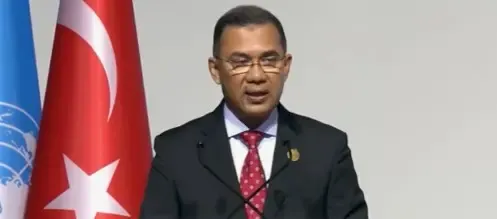
Bangladesh PM Tarique Rahman is caught in a three-way squeeze: a deepening rift with former ally Jamaat-e-Islami over how to implement the July National Charter, a banned but resurgent Awami League ahead of Sheikh Hasina's expected return, and spreading street violence his government is wary of suppressing too forcefully. The simultaneous courtship and sidelining of Jamaat is the defining political contradiction of his tenure so far.
Key Takeaways
Bangladesh PM Tarique Rahman met Jamaat-e-Islami chief Shafiqur Rahman on 20 November 2026 , a day before making remarks suggesting India's role in rising domestic violence.
The BNP is reportedly planning separate party talks in late November or December 2026 , explicitly excluding Jamaat-affiliated parties.
The core dispute centres on implementing the July National Charter , approved in the February 2026 referendum — the BNP favours parliamentary amendments, while Jamaat demands a separate Constitution Reform Council.
Paramilitary forces have been deployed across multiple districts amid crude-bomb attacks and political clashes, but the government is reportedly resisting a full crackdown.
The Awami League , though banned, continues to mobilise ahead of Sheikh Hasina 's anticipated return to Dhaka .
Jamaat-e-Islami 's legacy from the 1971 Liberation War — including war crimes convictions of senior leaders — continues to shadow its political partnerships.
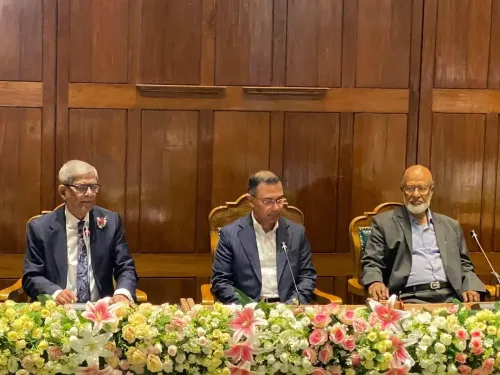
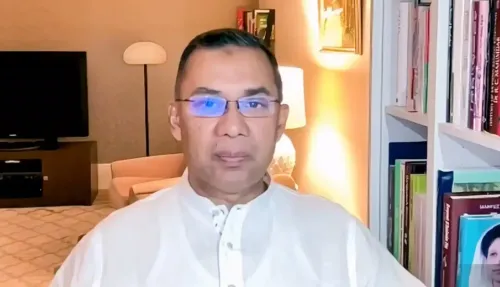
Bangladesh Prime Minister Tarique Rahman is navigating a deepening political crisis, with the rift between his Bangladesh Nationalist Party (BNP) and former ally Jamaat-e-Islami widening at the same time as he faces mounting street violence, economic discontent, and pressure from the banned Awami League. The tensions surfaced sharply on 21 November 2026, a day after Rahman met Jamaat-e-Islami chief and current Leader of the Opposition, Shafiqur Rahman, in a meeting described by multiple Bangladeshi media outlets as an effort to consolidate anti-Awami League unity.
The Meeting and What It Revealed
The Tarique Rahman–Shafiqur Rahman meeting came just days before the much-anticipated return to Dhaka of Awami League chief and former Prime Minister Sheikh Hasina. According to Bangladeshi daily Prothom Alo, the Jamaat leader urged the prime minister 'to hold dialogue with political parties to uphold anti-fascist unity and uproot fascism from the country.' The timing was notable: on the same day, Tarique Rahman made remarks reportedly implying India's involvement in the rising violence in Bangladesh — a claim that drew significant attention regionally.
BNP's Plan to Sideline Jamaat
Even as the two leaders met, reports had emerged earlier this month that the BNP was separately planning to convene talks with parties that participated in the 2024 anti-government protests — with one significant exclusion. 'The BNP will not invite parties affiliated with the Jamaat-e-Islami-led alliance. The talks may take place in late November or December,' reports noted. The move is widely seen as an attempt by the BNP to broaden its appeal among secular constituencies and the international community, but it has reportedly triggered internal disagreements within the party itself.
The July National Charter: A Fault Line
At the heart of the BNP-Jamaat falling-out is a dispute over the July National Charter, a reform blueprint drawn up after the 2024 mass uprising and endorsed by most major political parties. The charter, which was approved by a majority of voters in the national referendum held alongside the February 2026 general election, calls for strengthening judicial independence, rebalancing executive power, and expanding democratic accountability.
The two parties diverge sharply on implementation. The BNP argues the charter's reforms should proceed through constitutional amendments passed by Parliament. The Jamaat insists that voters specifically endorsed a separate Constitution Reform Council and broader structural changes that go beyond ordinary parliamentary amendments. This disagreement has since escalated into mutual recriminations, with reports citing instances of each party accusing the other of maintaining covert understandings with the Awami League.
Violence, Paramilitary Deployment, and a Cautious Government
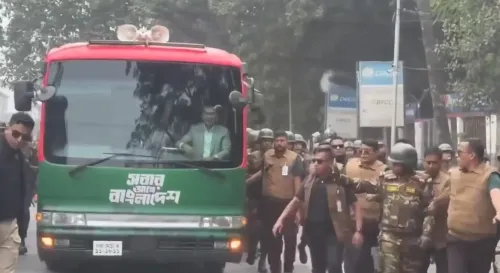
Bangladesh is simultaneously grappling with a surge in political violence. According to reports, paramilitary forces were mobilised across multiple districts as crude-bomb attacks and political clashes spread. Yet analysts suggest the government is deliberately avoiding an aggressive crackdown, reportedly fearing that heavy-handed security action could invite comparisons to past authoritarian episodes and trigger a backlash.
The broader context is one of compounding pressures: a resurgent, albeit banned, Awami League continuing to mobilise on the ground; labour unrest driven by economic discontent; and growing Islamist pressure — with the BNP reportedly seeking assurance from one powerful political adversary to contain the threat from another.
Jamaat's Contested Legacy and Enduring Political Weight
The Jamaat-e-Islami remains a deeply polarising force in Bangladesh. The party opposed the country's independence during the 1971 Liberation War, and several of its senior leaders were convicted by Bangladesh's International Crimes Tribunal for war crimes committed during the conflict. Critics point to its radical religious positions, shifting political alliances, and its 1971 stance as reasons for enduring public mistrust.
Notably, despite this legacy, larger parties have repeatedly found electoral value in aligning with Jamaat, whose organisational discipline and local electoral influence have made it a coalition partner of convenience. The current dynamic — where the BNP appears to be simultaneously courting and distancing itself from Jamaat — reflects that same unresolved tension. How Tarique Rahman manages this balancing act will likely shape Bangladesh's political trajectory in the months ahead.
Point of View
Jamaat is not just making a constitutional argument; it is extracting institutional leverage as the price of continued cooperation. What mainstream coverage tends to underplay is the internal BNP fracture: if the party's own ranks are split on the Jamaat question, Tarique Rahman's authority at home is shakier than his bilateral posturing suggests. Blaming India for domestic violence, meanwhile, is a time-tested South Asian deflection — but it also signals that the government does not yet have a credible domestic narrative for the turmoil.
NationPress
21 Nov 2026
Frequently Asked Questions
Why are BNP and Jamaat-e-Islami drifting apart in Bangladesh?
The two former allies are increasingly at odds over how to implement the July National Charter, the reform document approved in Bangladesh's February 2026 referendum. The BNP wants reforms enacted through parliamentary constitutional amendments, while Jamaat insists voters endorsed a separate Constitution Reform Council with broader powers. Reports also cite mutual accusations of maintaining secret ties with the banned Awami League, further souring relations.
What is the July National Charter in Bangladesh?
The July National Charter is a political reform blueprint drafted following the 2024 mass uprising against the then-government. It was endorsed by most major parties and subsequently approved by voters in the February 2026 general election referendum. Its key provisions call for stronger judicial independence, a rebalancing of executive power, and expanded democratic accountability mechanisms.
What is the significance of Sheikh Hasina's anticipated return to Dhaka?
Sheikh Hasina's expected return to Dhaka heightens political tensions because her Awami League, though currently banned, retains organisational capacity and continues to mobilise supporters. Her return could galvanise the opposition and intensify pressure on the Tarique Rahman government, which is already managing street violence and an internal BNP split.
Why did Bangladesh deploy paramilitary forces across districts?
Paramilitary forces were mobilised in response to spreading crude-bomb attacks, street violence, and political clashes across multiple districts. However, analysts note the government is reportedly avoiding an aggressive crackdown, fearing such action could draw comparisons to authoritarian tactics used by previous administrations and provoke a broader backlash.
What is Jamaat-e-Islami's controversial history in Bangladesh?
Jamaat-e-Islami opposed Bangladesh's independence during the 1971 Liberation War and several of its senior leaders were later convicted by Bangladesh's International Crimes Tribunal for war crimes committed during that conflict. This legacy has made the party a politically toxic partner for many voters, yet its strong organisational network has repeatedly made it attractive to larger parties during coalition-building.