Ship captain pleads guilty in US court over sanctioned Iranian oil run
Synopsis
A Georgian tanker captain who led the US Coast Guard on a weeks-long Atlantic chase while moving 1.8 million barrels of sanctioned Iranian crude has pleaded guilty in Washington. The case is Washington's sharpest public signal yet that ghost fleet operators — from crew to corporate backers — face prosecution across any ocean.
Key Takeaways
Avtandil Kalandadze , 47 , pleaded guilty on 13 June in a federal court in Washington, D.C. to defying a US Coast Guard interdiction order.
The Bella 1 transported approximately 1.8 million barrels of Iran-origin oil to Asia between September and December 2025 .
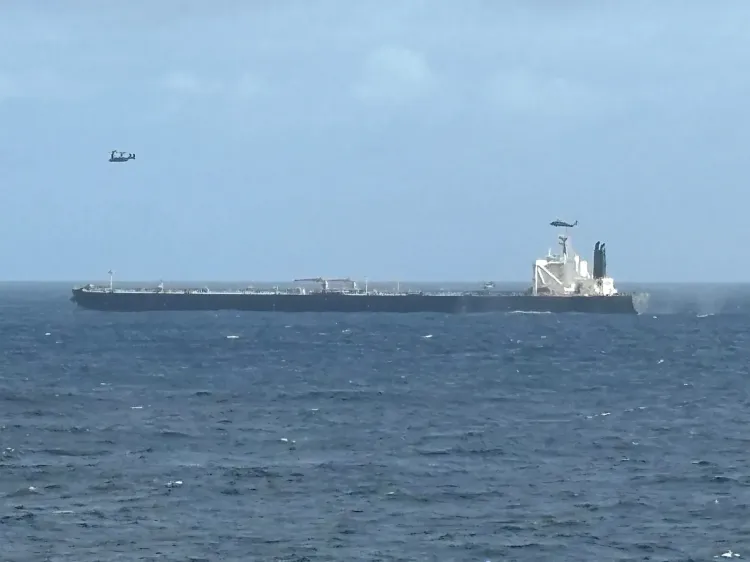
The tanker fled a US Coast Guard Cutter Munro intercept near Venezuela in December 2025 and was seized on 7 January after a weeks-long Atlantic chase.
Kalandadze disabled the vessel's AIS tracking system , disguised the ship's identity, and destroyed records aboard.
Sentencing is set for 7 August ; the charge carries a maximum of five years in prison , followed by deportation.
US officials linked the oil shipments to the Islamic Revolutionary Guard Corps (IRGC) , a designated foreign terrorist organisation.
Avtandil Kalandadze, 47, a Georgian national and former master of the tanker Bella 1, pleaded guilty on 13 June in a federal court in Washington, D.C. to defying a US Coast Guard order to halt his vessel during an interdiction operation. The plea, confirmed by the US Department of Justice, follows a weeks-long chase across the Atlantic Ocean after Kalandadze refused to stop the tanker while it was allegedly moving sanctioned Iranian oil.
What Kalandadze Admitted
According to the plea agreement, Kalandadze served as master of the Bella 1 from September to late December 2025, during which the vessel transported approximately 1.8 million barrels of Iran-origin crude to Asia, federal prosecutors said. He admitted to using multiple concealment methods, including sailing with the ship's Automatic Identification System (AIS) switched off and disguising the vessel's identity during a ship-to-ship oil transfer at sea.
Prosecutors further stated that Kalandadze destroyed records and information aboard the ship and took evasive steps at the direction of a corporate representative of the vessel's operator — indicating the deception was not unilateral.
The Atlantic Chase and Seizure
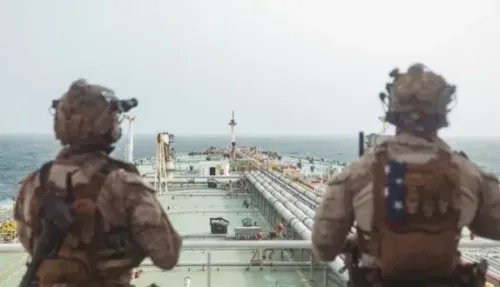
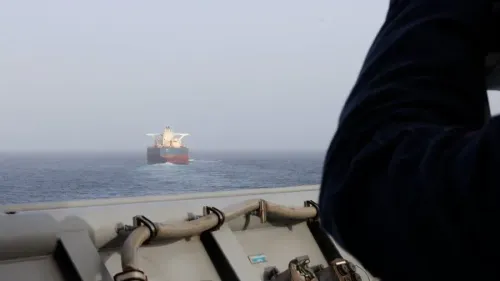
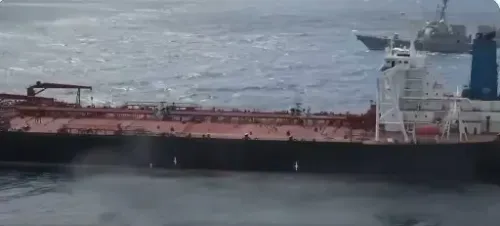
In December 2025, the Bella 1 was en route toward Venezuela when it was intercepted by the US Coast Guard Cutter Munro. Rather than comply, the tanker ignored repeated orders and fled, triggering a pursuit that spanned weeks across the Atlantic. Authorities ultimately assisted in seizing the vessel on 7 January.
US Attorney Jeanine Ferris Pirro said the captain 'put American sailors' and Coast Guardsmen's lives at risk while attempting to evade US sanctions and move illicit oil.' She added that by 'refusing lawful orders from the US Coast Guard and leading them on a chase across the Atlantic Ocean, he not only obstructed federal law enforcement, but forced our service members to carry out a dangerous boarding operation in heavy seas.'
Government Response and Warnings
Assistant Attorney General for National Security John A. Eisenberg said Kalandadze's guilty plea 'should serve as a warning to ghost fleet owners and operators and all those who man or otherwise support these dangerous, decrepit vessels.' He added: 'The Department of Justice and our interagency partners will pursue the ghost fleet and its facilitators from the Caribbean Sea to the North Atlantic, to the Indian and Pacific Oceans, the Persian Gulf, and anywhere in between. You will not escape.'
FBI Assistant Director Roman Rozhavsky said the captain used 'a range of deceptive maritime tactics' to move 'millions of barrels of illicit oil tied to the Islamic Revolutionary Guard Corps, a designated foreign terrorist organization, and other sanctioned actors engaged in terrorism.'
Acting Deputy Executive Associate Director John Condon of Homeland Security Investigations said Kalandadze 'led the US Coast Guard on a reckless weeks-long chase across the Atlantic, endangering servicemembers' lives all to turn a profit on sanctioned oil for the benefit of US adversaries.'
Sentencing and Broader Crackdown
Sentencing is scheduled for 7 August. The charge carries a maximum penalty of five years in prison. The Justice Department confirmed that Kalandadze will be deported after completing any sentence imposed by the court.
The case is part of a broader US push to dismantle so-called shadow or ghost fleet operations — vessels that disable tracking systems, obscure ownership records, and conduct mid-sea transfers to move sanctioned oil from Iran and other countries undetected. Washington has signalled it intends to pursue operators, facilitators, and crew across multiple ocean corridors.
Point of View
Pointing to an organised supply chain well above the captain's rank. Washington's decision to charge the crew while publicly naming ghost fleet 'facilitators' signals a deliberate escalation — targeting the ecosystem, not just the vessel. With sentencing set for August and deportation to follow, the US is also making clear that foreign nationals face real consequences, a message aimed as much at future crews as at this one captain. Whether that deters the broader shadow fleet, which reportedly moves hundreds of millions of barrels annually, remains the harder question.
NationPress
29 Jul 2026
Frequently Asked Questions
Who is Avtandil Kalandadze and what did he plead guilty to?
Avtandil Kalandadze is a 47-year-old Georgian national and former captain of the tanker Bella 1. He pleaded guilty on 13 June in a Washington, D.C. federal court to failing to obey a US Coast Guard order to stop his vessel during an interdiction operation linked to the transport of sanctioned Iranian oil.
How much sanctioned Iranian oil was the Bella 1 carrying?
Federal prosecutors said the Bella 1 transported approximately 1.8 million barrels of Iran-origin crude to Asia during the period Kalandadze served as master, between September and late December 2025.
What is the ghost fleet and why is the US targeting it?
The ghost fleet refers to a network of vessels that disable tracking systems, obscure ownership, and conduct ship-to-ship transfers at sea to move sanctioned oil from countries like Iran undetected. The US has stepped up prosecutions, arguing such operations fund designated terrorist organisations including the IRGC.
What sentence does Kalandadze face?
The charge carries a maximum penalty of five years in prison. Sentencing is scheduled for 7 August. The Justice Department has also confirmed he will be deported after completing any prison term.
Who else is implicated beyond the captain?
According to the plea agreement, Kalandadze acted at the direction of a corporate representative of the vessel's operator, suggesting broader organisational involvement. US officials have warned they will pursue ghost fleet owners, operators, and facilitators — not just crew members.