China exploits global conflicts for leverage, not resolution: Analysis
Synopsis
China isn't trying to end the world's conflicts — it's sorting them by usefulness. Ukraine keeps the West distracted; Hormuz tensions threaten Chinese energy; Taiwan is non-negotiable. A Times of Israel analysis by geopolitical expert Sergio Restelli argues Beijing's real goal is managed dependency, not peace — and the contradiction between the Trump-Xi and Putin-Xi summits makes that clearer than any official statement.
Key Takeaways
China evaluates global conflicts by strategic utility, not by humanitarian or rule-based criteria, according to a Times of Israel analysis by Sergio Restelli .
Ukraine is seen as useful to Beijing because it diverts Western attention and deepens Russia 's dependence on China.
Tensions around the Strait of Hormuz and North Korea 's alignment with Moscow are viewed as threats to Chinese energy security and geopolitical interests.
Taiwan remains an existential issue; Xi Jinping warned at the Trump-Xi summit that mishandling it could push ties to an 'extremely dangerous place.' Restelli argues China's implicit goal is a grand bargain: freeze Ukraine , reopen Hormuz , restrain Pyongyang , and manage Trump through trade and spectacle.
The analysis concludes this is not a new world order but 'an old imperial habit' of stabilising frontiers and calling it peace.
China's engagement with the world's most volatile flashpoints is driven not by a desire to resolve them, but by a calculated assessment of which conflicts serve Beijing's strategic interests and which threaten them, according to a geopolitical analysis published in the Times of Israel. The assessment, authored by Sergio Restelli, an Italian political advisor and geopolitical expert, argues that Beijing is pursuing leverage and dependency — not peace.
The Strategic Calculus Behind China's Conflict Management
According to Restelli's analysis, Ukraine remains strategically useful to Beijing precisely because it keeps Western powers occupied and deepens Russia's dependence on China. In this framing, a prolonged war in Europe is not a problem for Beijing — it is an asset.
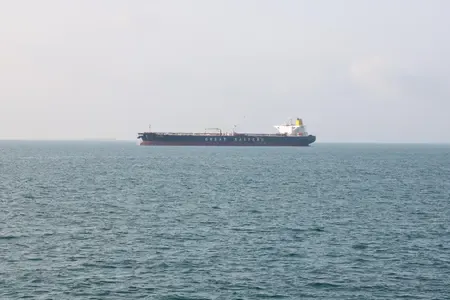
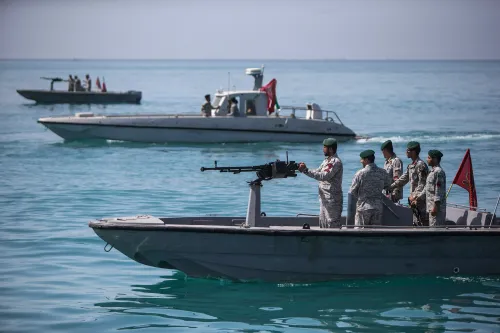
By contrast, rising tensions around the Strait of Hormuz and North Korea's growing alignment with Moscow are viewed as increasingly dangerous. China is Iran's largest oil customer and a major buyer of Gulf energy, giving it a direct stake in keeping that waterway open. A prolonged closure of the strait would damage Chinese energy security — an outcome Beijing cannot afford.
Taiwan: The Exception to Every Rule
Taiwan occupies a different category entirely. Restelli describes it as an existential issue tied directly to the Chinese Communist Party's domestic legitimacy and the broader United States–China rivalry. At the recent Trump-Xi summit in Beijing, President Xi Jinping warned that if the Taiwan matter were 'handled poorly', the two countries could 'collide or even enter into conflict', cautioning that ties could move into an 'extremely dangerous place.'
Yet at the same summit, Xi also said of the US-China relationship: 'We must make it work and never mess it up.' Restelli characterises this apparent contradiction as the Chinese approach in miniature — red lines must be asserted, but systemic rupture must be avoided.
The Contradiction at the Heart of Beijing's Diplomacy
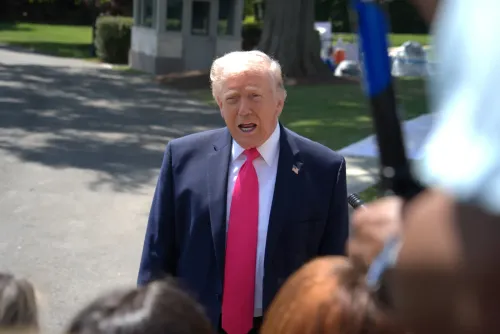
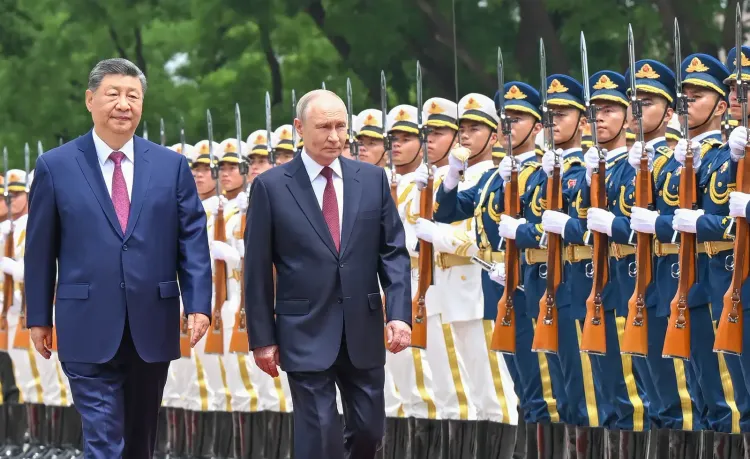
Restelli draws particular attention to the diplomatic optics surrounding former US President Donald Trump's summit with Xi and Russian President Vladimir Putin's subsequent visit to Beijing. He argues that the most revealing signal was not either meeting individually, but the contradiction between them.
'China wants to look like the indispensable power in both rooms. It wants Trump to recognise that no global settlement is possible without Beijing. It wants Putin to understand that Russia has no better strategic rear than China,' Restelli wrote. He added that Beijing also wants Tehran, Pyongyang, and Islamabad to know that 'China has channels where others have slogans.'
'Beneath the grandeur, Beijing's message is becoming clearer: it does not want a world in flames. It wants leverage, not disorder. It wants dependency, not escalation. It wants the status quo, adjusted in China's favour, but not blown apart,' he noted.
The Implicit Bargain Beijing May Be Pursuing
Restelli suggests that China's strategic logic could coalesce into an implicit grand bargain: freeze the conflict in Ukraine, reopen the Hormuz corridor, restrain North Korea, keep Russia dependent, and manage Trump through trade and spectacle.
This, he argues, would not constitute a new world order. Instead, it would represent what he calls 'an old imperial habit' — stabilising frontiers, preserving leverage, and calling it peace. The framing positions China not as a peacemaker, but as a careful manager of controlled instability.
Implications for Global Order
The analysis underscores a growing concern among Western strategists: that China's mediation gestures — whether on Ukraine, the Middle East, or the Korean Peninsula — are less about resolution and more about positioning. Each conflict, in Beijing's calculus, is evaluated on its utility to Chinese power, not on humanitarian or rule-based grounds.
As the geopolitical contest between Washington and Beijing intensifies, the question of whether China will eventually be compelled to choose sides — rather than manage both — may define the shape of global diplomacy in the years ahead.
Point of View
Which the analysis stops short of answering, is what happens when China's managed contradictions become unmanageable — when Pyongyang miscalculates, or Hormuz actually closes. At that point, Beijing's preference for the adjusted status quo collides with the reality that controlled instability has a habit of escaping its managers.
NationPress
13 Oct 2026
Frequently Asked Questions
What does the report say about China's approach to global conflicts?
The report argues that China does not seek to resolve all global conflicts, but instead determines which ones are strategically useful and which pose risks to its interests. Authored by geopolitical expert Sergio Restelli in the Times of Israel, it concludes that Beijing pursues leverage and dependency rather than genuine peace.
Why does China view the Ukraine conflict as strategically useful?
According to the analysis, Ukraine is useful to Beijing because it keeps Western powers focused on Europe and increases Russia's dependence on China. A prolonged conflict serves Chinese interests without requiring direct Chinese involvement.
What did Xi Jinping say about Taiwan at the Trump-Xi summit?
Xi Jinping warned at the summit that if the Taiwan issue were 'handled poorly', China and the US could 'collide or even enter into conflict', cautioning that ties could move into an 'extremely dangerous place.' He also said the relationship 'must make it work and never mess it up', reflecting Beijing's dual posture of asserting red lines while avoiding systemic rupture.
Why is the Strait of Hormuz a concern for China?
China is Iran's largest oil customer and a significant buyer of Gulf energy, making the Strait of Hormuz critical to its energy security. While Beijing opposes US dominance in the Gulf, it has even less interest in a prolonged closure of the waterway, which would directly harm Chinese economic interests.
What is the 'implicit bargain' China may be pursuing, according to the analysis?
Restelli suggests China's strategic logic points toward an implicit grand bargain: freezing the Ukraine conflict, reopening the Hormuz corridor, restraining North Korea, keeping Russia dependent, and managing the US through trade and diplomatic spectacle. He argues this is not a new world order but an old imperial pattern of controlling frontiers and calling it peace.