Iran's maximalist posturing over Hormuz is costing it global allies
Synopsis
Iran's strategy of maximum pressure in the Persian Gulf is backfiring — not just against Western adversaries, but against the developing nations it claims to champion. By threatening to choke the Strait of Hormuz and attaching impossible conditions to ceasefire talks, Tehran is alienating the very Global South partners whose neutrality has been its most valuable geopolitical asset.
Key Takeaways
Iran's maximalist posturing in the Persian Gulf is disrupting global supply chains, pushing up fuel, fertiliser, and food prices.
During ceasefire talks with the United States and mediators, Iran reportedly attached multiple conditions that blocked meaningful progress.
Iran continued projecting defiance even within the BRICS framework, where developing nations sought stability and cooperation.
Iran's hints about imposing tolls on vessels crossing the Strait of Hormuz are seen as a violation of international maritime norms.
Developing countries in Asia and the Global South that maintained balanced ties with Iran are now being harmed by Tehran's brinkmanship.
Critics argue the answer to economic isolation 'cannot be economic blackmail,' according to the International Business Times analysis.
Iran's decision to adopt a strategy of maximalist posturing in the Persian Gulf — rather than pursue diplomatic de-escalation — is disrupting global supply chains and driving up fuel, fertiliser, and food prices, inflicting severe economic hardship on developing nations, according to an analysis published in the International Business Times. The article, authored by Shujaat Ali Quadri, argues that Tehran's brinkmanship is not only counterproductive but is actively alienating countries that have historically remained neutral toward Iran.
Diplomacy Bypassed for Confrontation
During ceasefire discussions involving the United States and other mediators, Iran reportedly attached multiple conditions that made substantive progress nearly impossible. Rather than using those talks to stabilise already volatile energy markets, Tehran chose to escalate. Even within the BRICS framework — where developing nations were seeking economic cooperation and stability — Iran reportedly projected defiance over flexibility, according to the article.
The Hormuz Threat and International Law
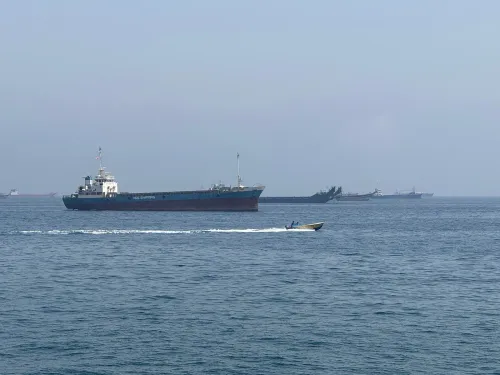
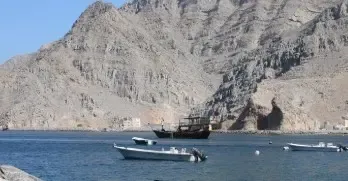
Iran's repeated hints about levying tolls on vessels transiting the Strait of Hormuz have drawn particular concern. International maritime law does not permit any single nation to unilaterally weaponise one of the world's most critical trade corridors. Critics argue that threatening shipping access and leveraging global energy dependence as a political instrument crosses the line from national defence into economic coercion.
Developing Nations Bearing the Brunt
The analysis highlights a significant irony: many developing countries that maintained balanced or even sympathetic relations with Iran are now bearing the costs of Tehran's brinkmanship. 'Nations in Asia and the Global South want stable energy supplies, not ideological standoffs in shipping lanes. They may sympathise with Iran's grievances, but they cannot support actions that directly damage their own economies,' the article states.
The piece further notes that while Iran has every right to defend its sovereignty, 'there is a difference between defending national interests and holding the world economy hostage.'
The Strategic Miscalculation
By continuously projecting unpredictability, Iran risks alienating even traditional non-aligned partners. The article contends that Iran's defenders — who argue that Western sanctions and military pressure pushed Tehran into a corner — overlook a fundamental point: the answer to economic isolation cannot be economic blackmail. The mixed messaging from Iranian officials, who simultaneously speak of regional stability while state-linked rhetoric invokes Hormuz disruption, has only deepened mistrust.
What the World Expects
The analysis concludes that the international community does not expect Iran to surrender its national interests, but it does expect Tehran to act as a responsible stakeholder in the global system. Closing vital trade routes and leveraging energy dependence as a political tool, the article argues, 'is not resistance. It is recklessness.' How Iran recalibrates its posture in the coming weeks will determine whether it can rebuild credibility with the broader Global South.
Point of View
Who invoke regional cooperation in one breath and Hormuz disruption in the next, signals either a fractured decision-making structure or a deliberate ambiguity that has stopped working. Either way, Tehran is paying a credibility cost that sanctions alone could not have imposed.
NationPress
5 Oct 2026
Frequently Asked Questions
What is Iran's maximalist posturing in the Persian Gulf?
It refers to Iran's strategy of escalating threats — including hinting at choking the Strait of Hormuz and attaching sweeping conditions to ceasefire talks — rather than pursuing diplomatic de-escalation. According to an analysis in the International Business Times, this approach has disrupted global supply chains and driven up fuel, fertiliser, and food prices.
How is Iran's posturing affecting developing countries?
Developing nations, particularly in Asia and the Global South, are facing higher fuel, fertiliser, and food costs as a direct result of supply chain disruptions linked to tensions in the Persian Gulf. Many of these countries maintained neutral or balanced relations with Iran and are now bearing the economic consequences of Tehran's brinkmanship.
What is the significance of the Strait of Hormuz in this context?
The Strait of Hormuz is one of the world's most critical energy trade corridors. Iran has repeatedly hinted at imposing tolls on vessels transiting the strait, a move critics say violates international maritime law and would constitute weaponising a global trade route for political leverage.
Why is Iran's BRICS stance drawing criticism?
Even within the BRICS framework — where developing nations were seeking economic cooperation and stability — Iran reportedly continued projecting defiance rather than flexibility, according to the International Business Times analysis. This has undermined its standing among countries that might otherwise have sympathised with its grievances against Western sanctions.
What do analysts say Iran should do differently?
Analysts cited in the article argue that Iran should act as a responsible stakeholder in the international system rather than leverage global energy dependence as a political tool. While Iran has the right to defend its sovereignty, the article draws a clear distinction between protecting national interests and, as it puts it, 'holding the world economy hostage.'