China's cheap finance tightens grip on Central Asia via Belt and Road
Synopsis
China isn't just building roads in Central Asia — it's building dependency. By channelling low-cost yuan credit into Kazakhstan and its neighbours, Beijing is quietly rewiring the region's financial architecture to its own strategic advantage, raising fresh questions about sovereignty, debt sustainability and the yuan's global ambitions.
Key Takeaways
China is using low-cost yuan -denominated financing to deepen economic ties across Central Asia , particularly in Kazakhstan , Uzbekistan , Kyrgyzstan and Tajikistan .
Kazakhstan , the region's largest economy, sits at the heart of the Belt and Road Initiative , linking China with Europe , Russia and the Middle East .
Borrowing in yuan reduces financing costs for Central Asian entities buying Chinese goods, creating a self-reinforcing trade-and-credit cycle.
Critics describe some BRI lending arrangements as 'debt-trap diplomacy', while supporters argue infrastructure benefits outweigh the risks.
Beijing's financial outreach also forms part of a broader push to internationalise the yuan as a rival to the US dollar .
China is using low-cost financing and yuan-denominated credit to deepen its strategic footprint across Central Asia, with Kazakhstan — the region's largest economy — at the centre of this push, according to an analysis published by Myanmar's Mekong News. What Beijing presents as routine trade and infrastructure support, analysts argue, is steadily engineering long-term financial interdependence across a region that sits at the heart of the Belt and Road Initiative (BRI).
How the Financing Model Works
The appeal of Chinese capital is rooted in simple arithmetic. China's capital markets carry abundant liquidity, and Beijing has shown a consistent willingness to back cross-border projects that serve its strategic interests. For Central Asian governments and corporations squeezed by tighter global credit conditions, borrowing in yuan can materially reduce financing costs compared with dollar- or euro-denominated debt.
The model creates a self-reinforcing loop: entities importing Chinese machinery, industrial equipment, telecommunications systems and other goods find it cheaper to settle transactions in yuan. That increases demand for yuan-denominated credit, which in turn deepens commercial ties with China. The cycle, critics argue, is by design rather than coincidence.
Kazakhstan and the BRI Crossroads
Kazakhstan occupies a pivotal position in this architecture. Sitting at the crossroads of the Belt and Road Initiative — the corridor linking China with Europe, Russia and the Middle East — it has become a primary destination for Chinese infrastructure financing. Beijing is, according to the analysis, gradually embedding itself within Kazakhstan's economic framework through a combination of trade, investment and supply-chain integration.
Notably, this financial outreach extends well beyond lending. It strengthens Beijing's ability to shape commercial relationships, investment flows and economic priorities across neighbouring states.
The Wider Central Asian Picture
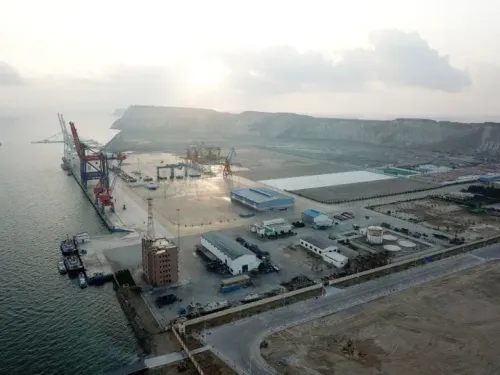
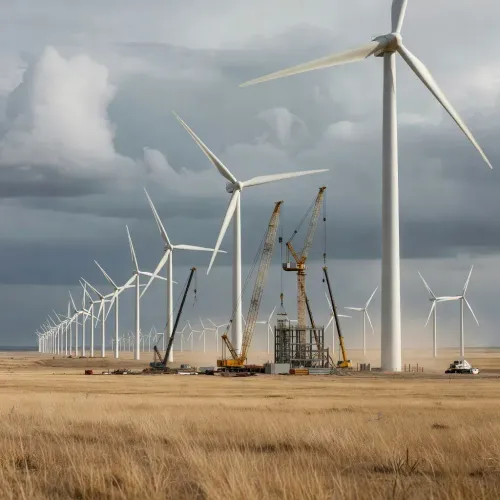
Similar dynamics are playing out across the region. Uzbekistan, Kyrgyzstan and Tajikistan have all expanded economic engagement with Beijing through infrastructure projects, transport corridors, mining ventures and energy cooperation. Chinese banks and state-backed institutions have emerged as prominent financiers of roads, railways, power plants and logistics networks across these economies.
This comes amid a broader global push by China to elevate the yuan from a domestic currency into an international financial instrument capable of competing more meaningfully with the US dollar. Central Asia, with its appetite for affordable capital and geographic adjacency to China, offers an ideal testing ground for that ambition.
The Debt-Trap Debate
The analysis echoes a wider international debate over China's overseas lending practices. Critics frequently describe certain BRI arrangements as 'debt-trap diplomacy' — the argument being that large-scale borrowing creates structural dependencies that give Beijing political leverage over debtor nations.
Supporters of Chinese investment dispute this characterisation, contending that the benefits of infrastructure development outweigh the financial risks. Nevertheless, concerns over debt sustainability have resurfaced repeatedly in international forums focused on China's global financing activities. How Central Asian governments navigate this tension will shape the region's economic sovereignty for years to come.
Point of View
Borrow and report in Beijing's preferred medium of exchange. The debt-trap debate, while valid, risks obscuring the more durable threat: not default and asset seizure, but the quiet standardisation of Chinese financial norms across a region that sits astride Europe's eastern supply chains. India, as a neighbouring civilisational power with its own connectivity ambitions, has the most to lose from watching Central Asia slip into Beijing's financial orbit — and the least coherent response so far.
NationPress
9 Nov 2026
Frequently Asked Questions
How is China expanding its influence in Central Asia through finance?
China is offering low-cost yuan-denominated credit to Central Asian governments and corporations, financing infrastructure such as roads, railways, power plants and logistics networks. This creates a self-reinforcing cycle where greater trade with China drives demand for yuan financing, which in turn deepens commercial and strategic ties with Beijing.
Which Central Asian countries are most affected by Chinese financing?
Kazakhstan is the primary focus, given its status as the region's largest economy and its central position on the Belt and Road corridor. Uzbekistan, Kyrgyzstan and Tajikistan have also expanded economic engagement with Beijing through infrastructure, mining and energy projects financed by Chinese banks and state-backed institutions.
What is 'debt-trap diplomacy' and how does it apply here?
Debt-trap diplomacy is the argument that large-scale Chinese lending creates structural dependencies, giving Beijing political leverage over borrowing nations. Critics apply this label to some Belt and Road arrangements. Supporters of Chinese investment dispute the characterisation, arguing that infrastructure development benefits outweigh the financial risks; concerns over debt sustainability nonetheless persist in international debates.
Why is China promoting yuan-denominated lending in Central Asia?
Beijing has a long-term goal of elevating the yuan from a domestic currency into a global financial instrument that can compete with the US dollar. Central Asia, with its demand for affordable capital and geographic closeness to China, provides a strategic arena for expanding yuan usage in trade settlement and cross-border financing.
What are the broader implications of China's financial footprint in the region?
Beyond lending, China's growing financial presence strengthens Beijing's ability to shape commercial relationships, investment flows and economic priorities across Central Asian states. Analysts warn this could translate into long-term economic dependence and reduced policy autonomy for governments in the region.