China's 2026 Mid-Autumn Festival logs weakest sales in years despite deep discounts
Synopsis
Even deep festival discounts couldn't save China's 2026 Mid-Autumn Festival from recording some of its weakest sales in years. With consumers spooked by job insecurity, a property slump, and viral food safety scandals — including nails found inside mooncakes — Beijing's stimulus push is running headlong into a crisis of confidence that no price cut appears able to fix.
Key Takeaways
China's 2026 Mid-Autumn Festival reported some of the weakest retail sales in years, even after heavy discounts and promotions.
Sales of high-end mooncake gift boxes reportedly plunged as consumers shifted to cheaper alternatives or bought nothing.
Viral incidents of screws, metal nuts, blades, and nails found inside mooncakes deepened consumer distrust and hurt purchases.
BYD faced a social media backlash after workers complained its festival gift package — mooncakes and drinks — was inadequate for a billion-dollar company.
Economists cite subdued domestic demand, job insecurity, and the lingering property market slowdown as structural drags on Chinese consumer confidence.
Beijing's stimulus measures have so far failed to decisively lift household spending, with the gap between China's manufacturing output and domestic consumption continuing to widen.
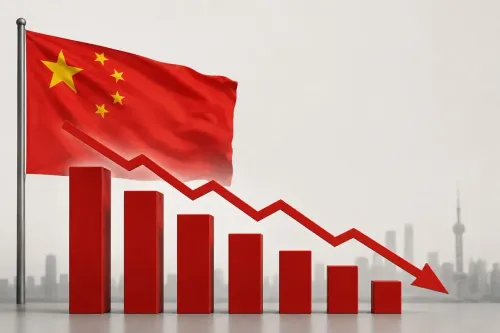
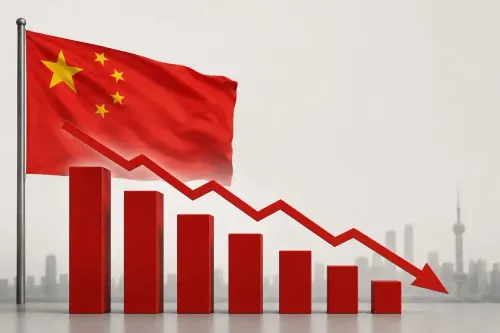
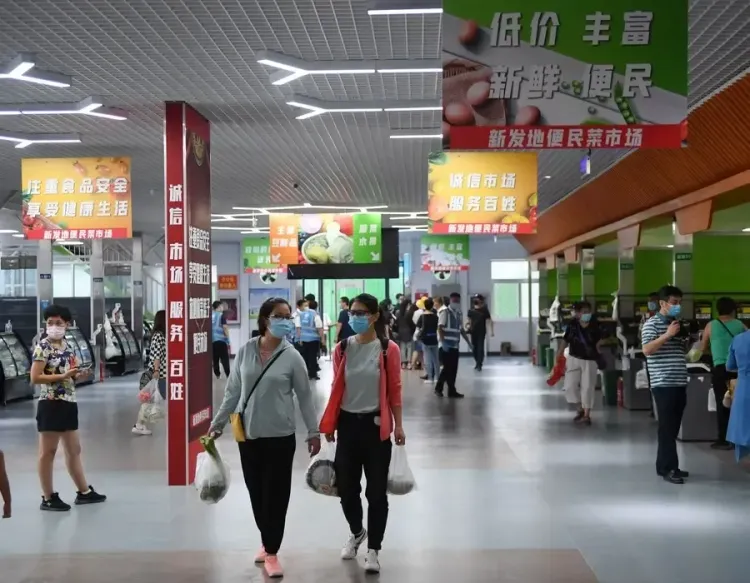
China's 2026 Mid-Autumn Festival, traditionally one of the country's most important consumption seasons, recorded some of the weakest retail sales in years, as consumers largely stayed away from holiday spending even as retailers rolled out heavy discounts and promotions. The data, cited in a report by Nepal's Hamrakura news portal, underscores a deepening crisis of domestic demand in the world's second-largest economy.
Why Discounts Failed to Move the Needle
What made this year's downturn particularly striking was the inability of steep price cuts to stimulate buying. Chinese consumers have grown increasingly cautious about discretionary spending amid concerns over slower economic growth, subdued income expectations, rising employment pressures, and the prolonged slump in the property market. Analysts have repeatedly flagged weak domestic demand and declining consumer confidence as structural headwinds for the Chinese economy — and the festival results appear to reinforce that assessment.
Mooncake Sales Plunge as Gifting Culture Weakens
For years, Mid-Autumn Festival consumption was fuelled by corporate gifting, business networking, and social convention. In 2026, however, many consumers reportedly shunned expensive gift boxes, opting instead for cheaper alternatives or forgoing purchases altogether. Sales of high-end mooncake gift boxes reportedly plunged, while demand shifted towards affordable or loose-packed mooncakes. The shift signals a meaningful change in how Chinese consumers perceive and manage festive expenditure.
Food Safety Scandals Deepened Consumer Reluctance
A growing crisis of confidence in product quality compounded the spending slump. Multiple viral incidents circulated online showing mooncakes that appeared alarmingly substandard. Consumers reported finding screws, metal nuts, blades, and nails inside mooncakes — sparking widespread alarm. The incidents reignited public debate over food safety standards, manufacturing oversight, and quality control, prompting many consumers who once bought mooncakes as festive gifts to question whether the products were worth purchasing at all.
BYD Benefits Row Highlights Falling Workplace Morale
China's largest electric vehicle company, BYD, also found itself at the centre of a social media storm during the festival period. Workers criticised the firm's Mid-Autumn Festival benefits package after reportedly receiving what many viewed as inexpensive gifts — a small number of mooncakes and drinks. Some employees publicly complained that a company generating billions in revenue should provide better holiday benefits. The episode highlighted broader concerns about declining workplace morale and reduced spending power among ordinary Chinese workers.
Structural Challenge Persists Despite Beijing's Stimulus Push
Beijing has spent several years attempting to revive domestic consumption through various stimulus measures, including subsidies. Yet the 2026 Mid-Autumn Festival data points to a deeper structural problem: while the government has encouraged spending, many households remain worried about jobs, housing prices, and future income prospects. Weak consumer confidence has limited the effectiveness of policy support, economists say. The gap between China's world-class manufacturing and export capacity on the one hand, and the reluctance of domestic consumers to spend freely on the other, appears to be widening — a tension that will define the economy's medium-term trajectory.
Point of View
But it cannot engineer trust — and the mooncake contamination scandals illustrate exactly how quickly that trust erodes. The BYD episode is equally telling: when workers at the crown jewel of China's EV sector feel short-changed on a holiday gift box, it suggests that the productivity gains of Chinese industry are not translating into the kind of wage confidence that drives domestic spending. Without a credible mechanism to rebuild household income expectations and address the property market overhang, stimulus will keep pushing on a string.
NationPress
21 Oct 2026
Frequently Asked Questions
Why were China's Mid-Autumn Festival 2026 sales so weak?
China's 2026 Mid-Autumn Festival recorded some of its weakest sales in years because consumers remained deeply cautious about spending, citing fears over slower economic growth, weak income growth, employment uncertainty, and the ongoing property market slump. Heavy discounts and promotions failed to attract buyers, suggesting the problem is structural rather than price-related.
What happened with mooncake quality and food safety during the 2026 festival?
Multiple viral incidents circulated online showing mooncakes that were alarmingly substandard, with consumers reporting finding screws, metal nuts, blades, and nails inside them. The scandals reignited public debate over food safety standards and quality control, and further discouraged consumers from purchasing mooncakes as festive gifts.
Why did BYD face criticism during the 2026 Mid-Autumn Festival?
Workers at BYD, China's largest electric vehicle company, criticised the firm's festival benefits package, which reportedly consisted of a small number of mooncakes and drinks. Employees publicly complained that a company generating billions in revenue should offer better holiday perks, highlighting concerns about falling workplace morale and reduced spending power.
Has Beijing tried to boost consumer spending, and has it worked?
Yes, Beijing has deployed several stimulus measures over recent years, including consumer subsidies, to revive domestic demand. However, the 2026 Mid-Autumn Festival data suggests these efforts have had limited impact, as many households remain worried about jobs, housing prices, and future income prospects — factors that policy support alone has not resolved.
What does weak festive demand mean for China's broader economy?
Weak festive consumption signals that the gap between China's strong manufacturing and export sector and its sluggish domestic demand is widening. Economists warn that subdued consumer confidence is one of the biggest structural challenges facing the Chinese economy, and that without a meaningful recovery in household spending, growth will remain disproportionately dependent on exports and industrial output.