DR Congo Ebola centre attack: workers evacuated, patients flee in Ituri
Synopsis
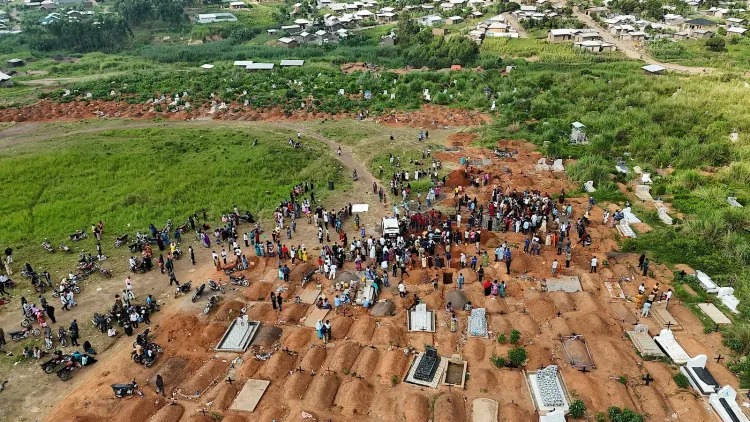
An enraged community attacked an Ebola treatment centre in DR Congo's Ituri province after a pregnant woman died there, forcing the evacuation of humanitarian workers and — most alarmingly — the possible flight of infectious Ebola patients into the community. With over 2,011 confirmed cases, 754 deaths, and the WHO warning the true toll could be four times higher, this incident could shatter what little containment remains.
Key Takeaways
Humanitarian workers were evacuated from Nyakunde General Hospital , Ituri, on 16 July after community violence erupted overnight.
The unrest was reportedly triggered by the death of a pregnant woman at the Ebola treatment centre, prompting gunfire.
Several Ebola patients may have fled the facility , raising serious community transmission concerns.
Confirmed cases stand at 2,011 with 754 deaths ; the WHO warns the true toll could be two to four times higher.
119 health workers have been infected and 60 have died during the outbreak.
The outbreak, caused by the Bundibugyo Ebola virus , has spread to five provinces and is the third-largest Ebola outbreak ever recorded .
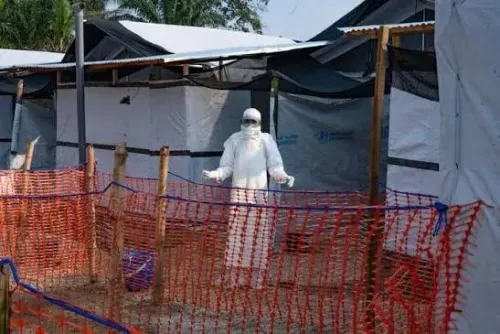
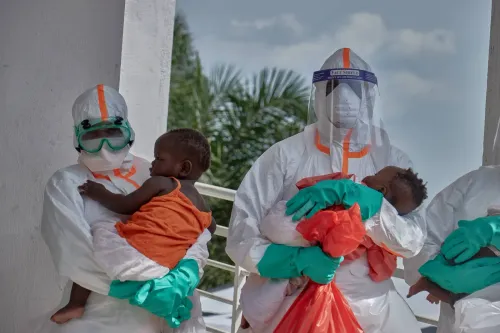
Humanitarian workers responding to the Ebola outbreak in eastern Democratic Republic of the Congo (DRC) were evacuated in the early hours of Thursday, 16 July, after violence broke out overnight at an Ebola treatment centre in Ituri province — the epicentre of what is now the third-largest Ebola outbreak ever recorded. The incident has dealt a severe blow to an already fragile response operation.
What Triggered the Violence
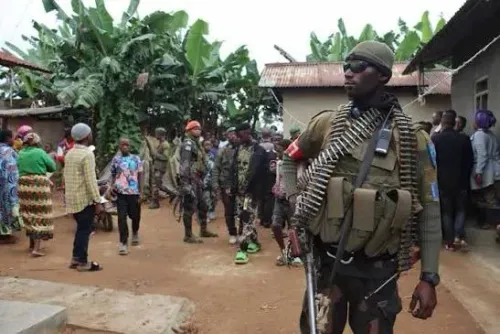
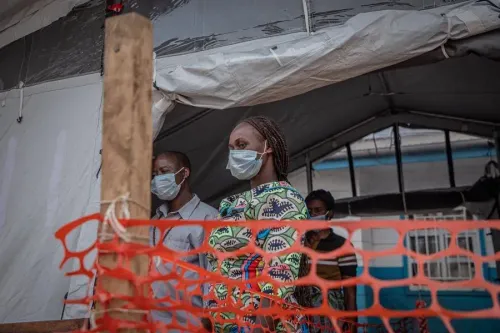
According to local security and civil society sources, the unrest was sparked by the death of a pregnant woman at Nyakunde General Hospital, which doubles as an Ebola treatment centre in Ituri. Enraged community members reportedly stormed the facility, triggering an exchange of gunfire. Casualties were reported, though details remained unclear as of Thursday.
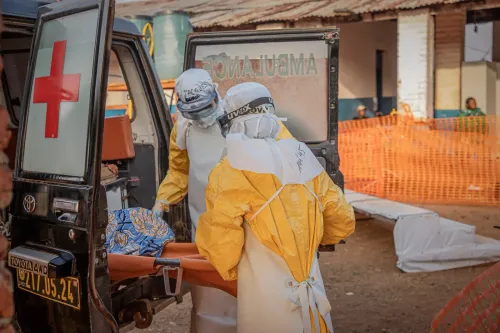
A humanitarian convoy was subsequently evacuated as the security situation deteriorated. Critically, local sources indicated that several Ebola patients receiving treatment at the facility may have fled — a development that could accelerate community transmission in an already under-controlled outbreak.
A Response Already Under Strain
The attack is the latest in a series of setbacks that have complicated the Ebola response in eastern DRC. Health workers and medical facilities have faced repeated attacks, while community mistrust has led patients to abandon treatment before completing their course. Frontline responders have also staged protests over unpaid allowances and poor working conditions, further eroding operational capacity.
A total of 119 health workers and frontline responders have been infected during the outbreak, of whom 60 have died, Congolese authorities confirmed on Thursday. This level of health worker attrition is among the highest recorded in any Ebola response.
Scale of the Outbreak
Confirmed Ebola cases in the DRC have surpassed 2,000, with the latest official tally standing at 2,011 confirmed cases and 754 deaths, according to a report released by the country's health authorities on Tuesday. The outbreak, caused by the Bundibugyo Ebola virus, was declared in mid-May and has since spread across five provinces.
The World Health Organisation (WHO) has warned that the true scale of the outbreak could be 'at least two to four times' the reported caseload, given undetected transmission, community deaths, and rapid geographic expansion.
WHO Warning: Behind the Epidemic Curve
Chikwe Ihekweazu, Executive Director of the WHO Health Emergencies Programme, stated that the current outbreak is growing faster than any Ebola outbreak on record. The WHO cautioned that the combination of undetected transmission, deaths occurring outside treatment facilities, and the outbreak's geographic spread threatens to keep the response perpetually behind the epidemic curve.
With patients now reportedly fleeing the Nyakunde centre following Thursday's violence, containment efforts face a critical new challenge. International health authorities are expected to reassess security protocols for humanitarian personnel in the region.
Point of View
Combined with health worker deaths now at 60, signals a response that is losing ground. The real question is whether the global health architecture can secure the consent of affected communities — not just the perimeter of treatment centres.
NationPress
15 Oct 2026
Frequently Asked Questions
Why was the Ebola treatment centre in DR Congo attacked?
According to local security and civil society sources, community members attacked the Nyakunde General Hospital Ebola treatment centre in Ituri province after a pregnant woman died there. The violence reportedly led to an exchange of gunfire and the subsequent evacuation of humanitarian workers.
Have any Ebola patients fled the treatment centre?
Local sources indicated that several Ebola patients receiving treatment at the Nyakunde facility may have fled following the violence on 16 July. If confirmed, this poses a serious risk of community transmission in an already under-controlled outbreak.
How large is the current Ebola outbreak in DR Congo?
As of the latest official report released on Tuesday, the DRC has recorded 2,011 confirmed Ebola cases and 754 deaths. The WHO has warned the true scale could be 'at least two to four times' higher due to undetected transmission and community deaths.
What type of Ebola virus is causing the current DRC outbreak?
The outbreak is caused by the Bundibugyo Ebola virus. It was declared in mid-May, has spread to five provinces, and is already the third-largest Ebola outbreak ever recorded, according to the WHO.
How many health workers have been affected in the DRC Ebola outbreak?
A total of 119 health workers and frontline responders have been infected during the outbreak, and 60 of them have died, Congolese authorities confirmed on Thursday. Health worker attrition at this scale is among the highest seen in any Ebola response.