Jaishankar in Mongolia: Mining, energy talks and $1.7bn refinery visit
Synopsis
EAM Jaishankar's two-day Ulaanbaatar visit packed in presidential calls, a $1.7 billion refinery site inspection, Buddhist manuscript digitisation, and fresh talks on mining and clean energy — signalling that India's 'third neighbour' policy toward Mongolia is moving from rhetoric to bricks-and-mortar delivery.
Key Takeaways
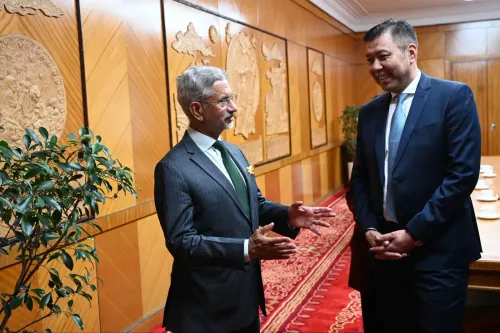
EAM S Jaishankar met Chief Cabinet Secretary Battumur Enkhbayar on 23 June in Ulaanbaatar , covering mining, energy, technology, and human resources.
Jaishankar inspected the Mongol Refinery Project , backed by a USD 1.7 billion Indian Line of Credit, calling it a 'landmark India-Mongolia friendship project.' He visited the Gandan Monastery and witnessed the digitisation of one million Buddhist manuscripts under an India-Mongolia partnership.
Jaishankar called on President Ukhnaa Khurelsukh and conveyed greetings from President Droupadi Murmu and PM Narendra Modi .
Talks with Foreign Minister Battsetseg Batmunkh identified new opportunities in clean energy, mining, and agri-processing .
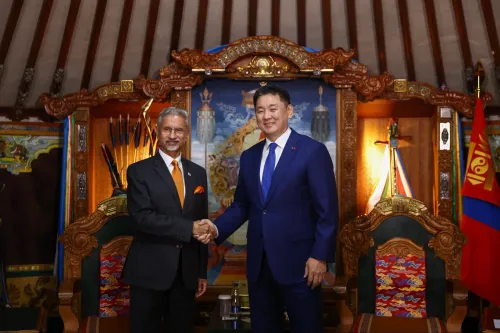
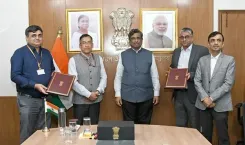
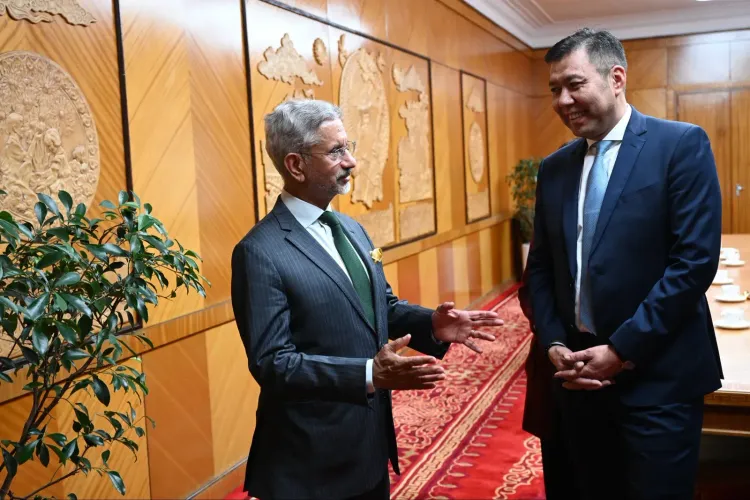
External Affairs Minister S Jaishankar on Tuesday, 23 June met Mongolia's Chief Cabinet Secretary Battumur Enkhbayar in Ulaanbaatar, with both sides discussing expanded bilateral cooperation across mining, energy, technology, and human resources. The meeting formed part of Jaishankar's two-day official visit to Mongolia — one of the most substantive engagements between the two countries in recent years.
Key Meetings and Diplomatic Engagements
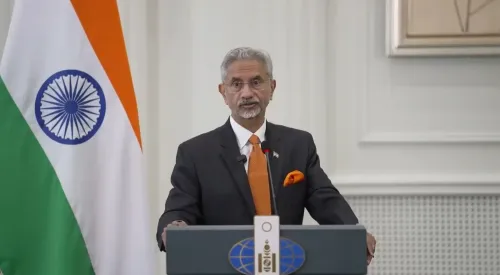
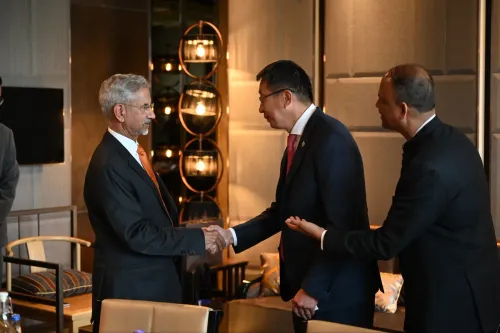
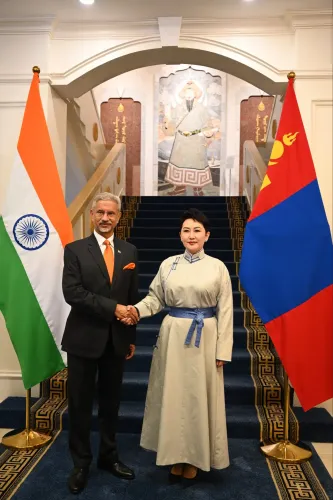
Jaishankar held wide-ranging talks with Mongolian Foreign Minister Battsetseg Batmunkh, covering development projects, capacity building, culture, education, security, and multilateral cooperation. He also called on President Ukhnaa Khurelsukh, conveying greetings from President Droupadi Murmu and Prime Minister Narendra Modi. Jaishankar noted that President Ukhnaa's visit to India last year had imparted fresh momentum to the two countries' Strategic Partnership.
He additionally met Speaker of the State Great Khural Dashzegve Amarbayasgalan, welcoming support for parliamentary exchanges, as well as Minister of Education L Enkh-Amgalan and former President Nambaryn Enkhbayar.
Mongol Refinery Project: Progress on a $1.7 Billion Flagship
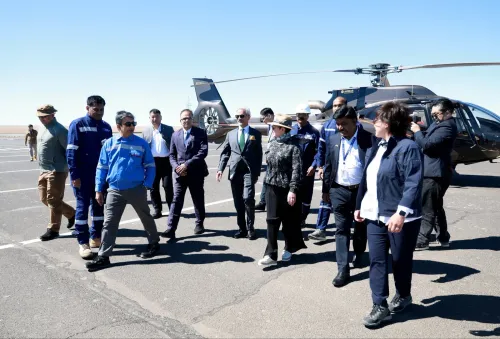
A highlight of the visit was Jaishankar's inspection of the Mongol Refinery Project construction site alongside Foreign Minister Battsetseg Batmunkh and Industry and Mining Minister Gongor Damdinnyam. The refinery is being implemented with the support of a USD 1.7 billion Line of Credit extended by the Government of India and is considered a flagship initiative in Mongolia's sustainable energy strategy.
Jaishankar reviewed the status of ongoing works with project teams and interacted with both Indian and Mongolian workers at the site, acknowledging their 'dedication and commitment in realising such a major project under challenging conditions,' according to his post on X.
Gandan Monastery and the Spiritual Dimension
Earlier on Tuesday, Jaishankar visited the Gandan Monastery in Ulaanbaatar — one of Mongolia's most revered Buddhist sites. He described the monastery as a 'symbol of the special and spiritual bond between India and Mongolia' and witnessed ongoing work on an India-Mongolia partnership project to digitise one million Buddhist manuscripts. India reaffirmed its commitment to continuing support for the monastery.
This cultural dimension of the visit underscores what both sides have described as a 'spiritual partnership' — a framing that distinguishes India-Mongolia ties from purely transactional diplomatic relationships.
Broader Bilateral Agenda
During Monday's talks with Foreign Minister Battsetseg, Jaishankar highlighted opportunities in mining, clean energy, and agri-processing — sectors where Mongolia's resource base and India's technical capacity could form a complementary partnership. India has positioned itself as Mongolia's 'third neighbour,' a diplomatic concept that reflects Ulaanbaatar's effort to diversify ties beyond its two immediate neighbours, Russia and China.
With the refinery project nearing a critical construction phase and fresh avenues identified in technology and human resources, the visit is expected to set the agenda for bilateral engagement through the remainder of 2025.
Point of View
Soft power (Buddhist manuscript digitisation), and strategic diversification for a landlocked nation caught between Russia and China. What the visit does not yet answer is whether the refinery, already a multi-year project, will deliver on timeline and whether the new avenues in clean energy and technology will move beyond MoU-level intent. Mongolia's resource wealth and India's financing capacity are complementary on paper; execution, as with many such partnerships, will be the real test.
NationPress
23 Jun 2026
Frequently Asked Questions
What did EAM Jaishankar discuss with Mongolia's Chief Cabinet Secretary?
Jaishankar met Chief Cabinet Secretary Battumur Enkhbayar on 23 June in Ulaanbaatar to discuss bilateral cooperation, including new avenues in mining, energy, technology, and human resources. The meeting was part of his two-day official visit to Mongolia.
What is the Mongol Refinery Project and what is India's role?
The Mongol Refinery Project is a flagship India-Mongolia infrastructure initiative being built with the support of a USD 1.7 billion Line of Credit extended by the Government of India. It is considered a vital component of Mongolia's sustainable energy strategy, and Jaishankar visited the construction site on 23 June to review progress.
Why did Jaishankar visit the Gandan Monastery?
Jaishankar visited the iconic Gandan Monastery in Ulaanbaatar to pay his respects and witness an ongoing India-Mongolia project to digitise one million Buddhist manuscripts. He described the monastery as a 'symbol of the special and spiritual bond between India and Mongolia.'
Who did Jaishankar meet during his Mongolia visit?
During his two-day visit, Jaishankar met President Ukhnaa Khurelsukh, Foreign Minister Battsetseg Batmunkh, Chief Cabinet Secretary Battumur Enkhbayar, Industry and Mining Minister Gongor Damdinnyam, Speaker Dashzegve Amarbayasgalan, Education Minister L Enkh-Amgalan, and former President Nambaryn Enkhbayar.
What is India's 'third neighbour' policy toward Mongolia?
India refers to itself as Mongolia's 'third neighbour' — a diplomatic concept signalling that Ulaanbaatar can look beyond its two immediate neighbours, Russia and China, for strategic partnerships. India's engagement spans infrastructure financing, cultural ties, capacity building, and clean energy cooperation.