Egypt, Iran hold talks on diplomacy and regional de-escalation
Synopsis
Egypt is quietly positioning itself as a key diplomatic bridge between Iran and the West — even as the US-Iran MoU's 60-day window expires without a final deal and Trump threatens the 'most crushing economic operation ever.' Cairo's push for dialogue, combined with Iran's Parliament Speaker signalling a new regional order, points to a Middle East actively hedging against a US-Iran breakdown.
Key Takeaways
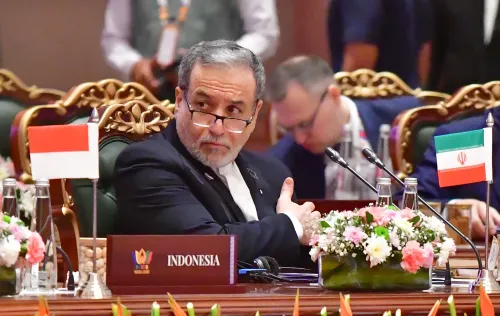
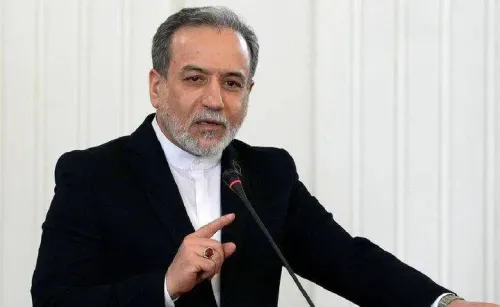
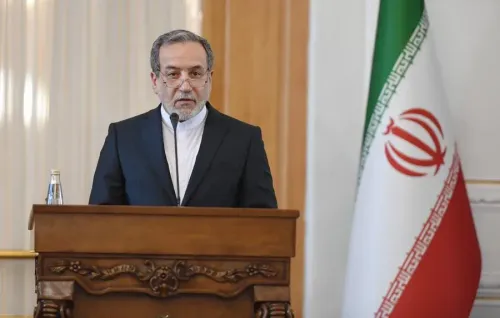
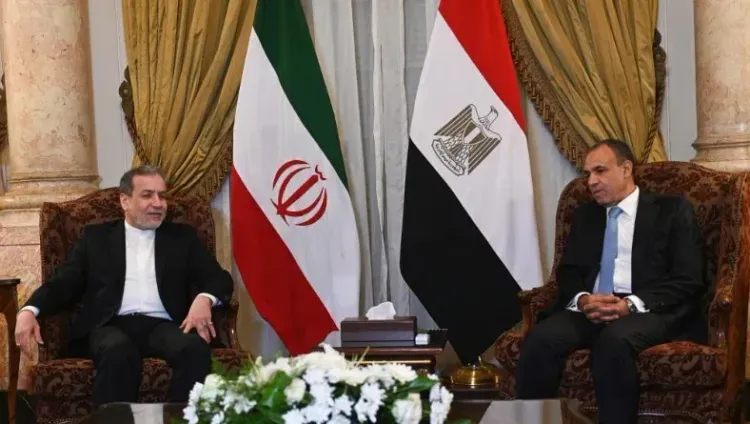
Egyptian FM Badr Abdelatty and Iranian FM Seyed Abbas Araghchi held a phone call on 23 August to discuss regional de-escalation.
Talks centred on implementing the US-Iran MoU signed on 18 June , whose 60-day negotiation deadline elapsed on Monday.
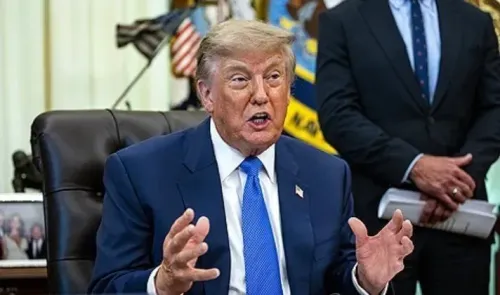
US President Donald Trump threatened 'the most crushing economic operation ever taken' against Iran on Wednesday.
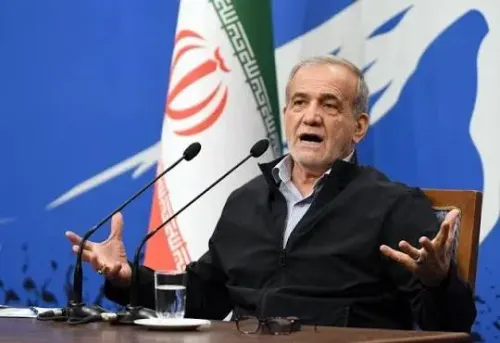
Iran's Parliament Speaker Mohammad Baqer Qalibaf said Tehran received 'numerous' messages from neighbours about new regional security and economic arrangements.
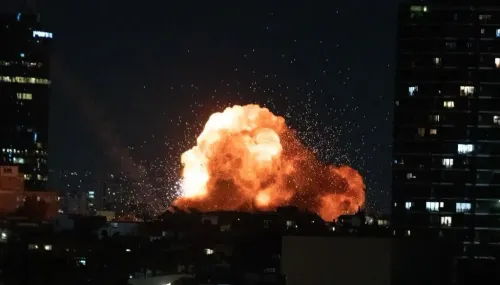
The crisis stems from US-Israel joint airstrikes on Iran on 28 February , followed by Iranian missile and drone responses.
Gulf Arab states are reportedly frustrated with Washington for initiating the conflict without shielding them from consequences.
Egyptian Foreign Minister Badr Abdelatty and Iranian Foreign Minister Seyed Abbas Araghchi held a phone call on 23 August to exchange views on the latest regional developments and coordinated diplomatic efforts aimed at reducing tensions across the Middle East. The conversation underscored Cairo's active role in facilitating a return to dialogue at a moment of acute regional volatility.
Key Developments from the Call
According to a statement from the Egyptian Foreign Ministry, the two ministers focused on creating conditions conducive to a resumption of diplomacy, including the implementation of a memorandum of understanding (MoU) signed between the United States and Iran on 18 June. Abdelatty stressed the urgency of intensifying diplomatic engagement to ease current escalations and reach peaceful understandings that could restore security and stability in the region.
He also underscored the importance of safeguarding the freedom and safety of international navigation and respecting the security and stability of the Gulf states — a pointed reference to anxieties over the Strait of Hormuz.
Iran's Position and the MoU Deadline
Araghchi briefed his Egyptian counterpart on Tehran's assessment of recent developments, the trajectory of ongoing negotiations, and the obstacles they face. Under the terms of the US-Iran MoU, both sides were expected to conclude negotiations within 60 days — a window that closed on Monday. The ultimate fate of those talks, however, remains uncertain following a renewed escalation centred on the Strait of Hormuz.
US President Donald Trump said on Wednesday that the United States would launch what he described as 'the most crushing economic operation ever taken' against Iran, adding further pressure to an already fragile diplomatic process.
Iran's Parliament Speaker Signals Regional Realignment
Iran's Parliament Speaker Mohammad Baqer Qalibaf said Tehran had received 'numerous' messages from neighbouring countries about 'shaping new security arrangements and economic cooperation' in the region. In a post on social media platform X on Saturday, Qalibaf said the United States 'put the security of every single one of its allies at such risk through bullying and pure disregard for their interests for the sake of Israel.' He added: 'A homegrown, independent (regional) order is what will actually deliver peace and security.'
Background: Military Strikes and Gulf Frustration
The current crisis traces back to 28 February, when the United States and Israel launched joint airstrikes on Iran. Tehran responded by firing missiles and drones at Israel and US military installations in the region. The escalation has strained Washington's relationships with Gulf Arab partners — media reports, citing regional officials, indicate that several Gulf states are frustrated with Washington for initiating the conflict without adequately shielding them from the fallout.
What Comes Next
With the MoU's 60-day negotiating window now elapsed and US economic pressure on Iran intensifying, the diplomatic path forward is narrow. Egypt's continued engagement as an interlocutor signals that regional actors are not yet ready to abandon the diplomatic track entirely. How Tehran and Washington navigate the next phase will significantly shape security arrangements across the Gulf and beyond.
Point of View
Combined with Trump's escalatory rhetoric, suggests the diplomatic track is under severe strain rather than progressing. Qalibaf's call for a 'homegrown, independent regional order' is the most explicit signal yet that Iran is actively courting Gulf neighbours to build a parallel security architecture — one that sidelines Washington. If Gulf states, already frustrated with the US, respond positively, it could mark a structural shift in Middle East alignments that goes well beyond the immediate Iran crisis.
NationPress
24 Aug 2026
Frequently Asked Questions
What did Egypt and Iran discuss in their 23 August phone call?
Egyptian Foreign Minister Badr Abdelatty and Iranian Foreign Minister Seyed Abbas Araghchi discussed regional developments and efforts to resume diplomacy, including implementation of the US-Iran MoU signed on 18 June. Abdelatty emphasised the need to protect Gulf state security and freedom of international navigation.
What is the US-Iran MoU and has the deadline passed?
The US-Iran memorandum of understanding, signed on 18 June, committed both sides to concluding negotiations within 60 days. That deadline elapsed on Monday, and the fate of the talks remains unclear amid renewed escalation over the Strait of Hormuz and fresh US threats of economic pressure.
What did US President Trump say about Iran?
President Donald Trump said on Wednesday that the United States would launch 'the most crushing economic operation ever taken' against Iran, signalling a hardening US stance even as diplomatic efforts continue in parallel.
What did Iran's Parliament Speaker Qalibaf say on X?
In a post on social media platform X on Saturday, Mohammad Baqer Qalibaf said the US had 'put the security of every single one of its allies at such risk through bullying and pure disregard for their interests for the sake of Israel.' He argued that 'a homegrown, independent (regional) order' was the path to genuine peace and security.
How did the current Middle East crisis begin?
The United States and Israel launched joint airstrikes on Iran on 28 February. Iran retaliated with missiles and drones targeting Israel and US military bases in the region. The strikes have since strained US relations with Gulf Arab partners, who are reportedly frustrated that Washington initiated the conflict without adequately protecting their security.