EU labels China 'critical long-term strategic challenge' in security report
Synopsis
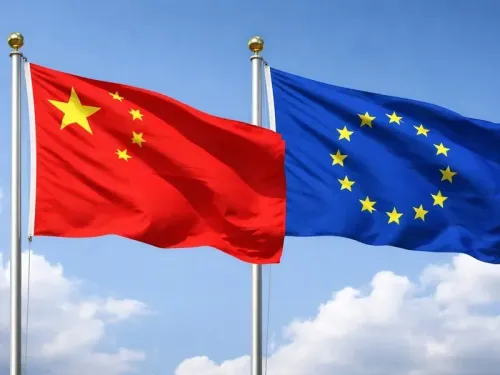
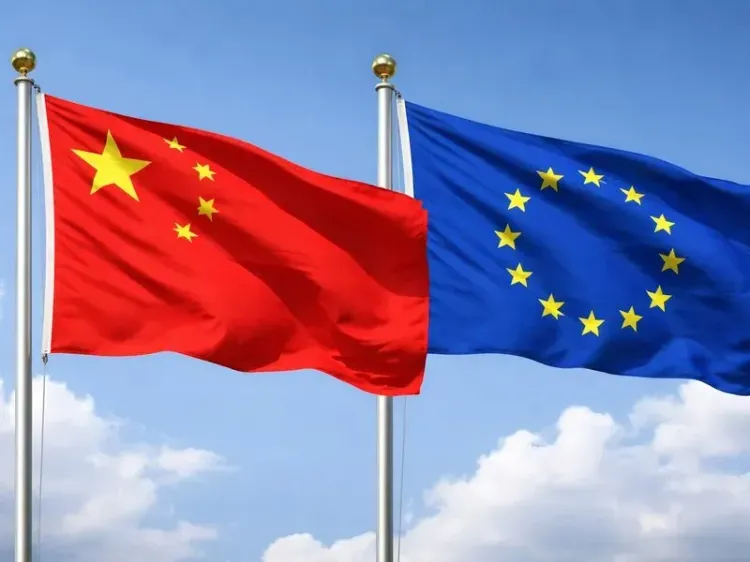
The EU has issued its starkest formal warning yet about China — branding Beijing a 'critical long-term strategic challenge' in a newly released strategic assessment. The document goes further than past EU positioning by explicitly labelling China's support for Russia a 'crucial enabler' of Moscow's war in Ukraine, and warning that the Russia-China axis is erasing the line between European and Indo-Pacific security.
Key Takeaways
The EU has designated China a 'critical long-term strategic challenge' in its latest strategic environment assessment released in July 2025 .
The report cites China's trade imbalances , control over critical raw materials , and technological advances as asymmetric advantages used as leverage against the bloc.
The EU labels China's support for Russia a 'crucial enabler' of Moscow's war against Ukraine .
The deepening Russia-China strategic partnership is warned to increasingly connect the European and Indo-Pacific security theatres.
The document reaffirms NATO as the foundation of collective defence and calls for enhanced cooperation with like-minded partners.
The European Union has formally designated China a 'critical long-term strategic challenge' in a sweeping security assessment released earlier this month, citing Beijing's technological advances, trade imbalances, and its support for Russia's war in Ukraine. The document, titled 'Common Understanding — The Threats and Challenges We Face: Assessment of the EU's Strategic Environment', marks one of the bloc's sharpest official characterisations of China to date.
Key Findings on China
The assessment warns that China holds 'asymmetric advantages' over the EU — spanning trade imbalances, control over critical raw materials, and technological leads in select sectors. According to the document, Beijing has demonstrated a willingness to weaponise these advantages as leverage against the EU and other actors in pursuit of its stated ambition of becoming the world's leading power.
The report states: 'China positions itself to win systemic competition, combining industrial scale, technological ambition, and global reach while exploiting instability.' It adds that China's growing assertiveness, alongside intensifying US-China strategic competition, will increasingly affect the EU's security, competitiveness, economic resilience, and overall strategic posture.
China's Role in the Russia-Ukraine War
The EU document singles out China's support for Russia as a 'crucial enabler' for Moscow, arguing that Beijing's backing has materially sustained Russia's military campaign in Ukraine. The assessment also flags the deepening strategic partnership between Russia and China, warning that this alignment will continue to blur the boundaries between the European and Indo-Pacific security theatres — a development EU officials view with growing concern.
Broader Geopolitical Warning
Beyond China specifically, the document identifies a wider pattern of revisionist behaviour. It notes that Russia and China are 'foremost among' the powers seeking to establish regional dominance and reshape the global order in line with their own interests, 'fostering a return to a sphere-of-influence logic.'
The paper describes this effort as 'sustained and systemic,' underpinned by long-term investments in military capabilities, aspirations of technological superiority, and the deliberate exploitation of deep and often asymmetrical interdependencies to coerce perceived adversaries. This is notably the first time the EU has framed China's challenge in such explicitly systemic terms within a formal strategic document.
EU Defence and Partnership Priorities
The assessment reaffirms that a 'stronger and more capable' EU in security and defence would contribute positively to both global and transatlantic security, describing this as complementary to NATO — which it identifies as the foundation of collective defence for member states that belong to the alliance.
It also emphasises that 'enhanced cooperation with like-minded and other partners on security and defence' is increasingly vital for the EU to navigate the shifting strategic environment. The document signals a clear intent to deepen ties with partners who share the bloc's concerns about authoritarian revisionism.
What Comes Next
The assessment is expected to inform the EU's forthcoming defence and trade policy decisions, particularly around de-risking supply chains and reducing dependence on Chinese critical raw materials. How the bloc translates this diagnosis into concrete policy — especially given divergent views among member states on economic ties with Beijing — will be closely watched in the months ahead.
Point of View
Competitor, and systemic rival. This document tips the balance decisively toward the third category. Labelling China's support for Russia a 'crucial enabler' is a significant escalation in language, one that has direct implications for trade policy and tech regulation. The harder question is whether member states with deep economic ties to Beijing — Germany foremost — will allow this diagnosis to translate into binding policy. Strategic documents without enforcement teeth risk becoming rhetorical exercises. The test is de-risking in practice, not just in print.
NationPress
26 Oct 2026
Frequently Asked Questions
What does the EU's new strategic assessment say about China?
The EU's 'Common Understanding' security document, released in July 2025, designates China a 'critical long-term strategic challenge,' citing its trade imbalances with the EU, control over critical raw materials, and technological advances that Beijing is reportedly willing to use as geopolitical leverage.
Why does the EU consider China a threat to European security?
According to the assessment, China is positioning itself to win 'systemic competition' by combining industrial scale, technological ambition, and global reach while exploiting instability. Its support for Russia's war in Ukraine is also flagged as a 'crucial enabler' for Moscow, directly affecting European security.
How does the EU document describe the Russia-China relationship?
The document warns of a deepening strategic partnership between Russia and China that will increasingly interconnect the European and Indo-Pacific security theatres. It identifies both powers as seeking regional dominance and working to reshape the global order in line with their interests.
What is the EU's proposed response to these challenges?
The assessment calls for a stronger and more capable EU in security and defence, framing this as complementary to NATO. It also emphasises enhanced cooperation with like-minded partners to navigate the new strategic environment and reduce asymmetric dependencies.
How significant is this EU document on China?
This is among the EU's most explicit formal characterisations of China as a systemic challenge to date. By linking China's role in the Ukraine war to European security and describing the Russia-China axis as a structural threat, the document signals a potential shift in how the bloc frames its economic and defence policies toward Beijing.