China's rare-earth controls target long-term tech dominance, not just US
Synopsis
China's rare-earth clampdown is not a reactive trade measure — it is a deliberate long-game play to turn processing dominance into permanent leverage over the technologies that will define the next era of economic and military power. With Western alternatives years away from scale, Beijing holds a structural advantage that export licences alone cannot reverse.
Key Takeaways
China's rare-earth export controls are designed for long-term strategic leverage over critical technologies, not immediate economic retaliation against the US, according to a new report.
Chinese firms dominate not just reserves but the processing, refining, and manufacturing stages that convert raw ore into usable industrial inputs.
Permanent magnets derived from rare earths are essential for EVs, wind turbines, robotics, precision-guided weapons , and advanced electronics.
The US, Australia, Canada , and several European nations have invested in domestic alternatives; Vietnam and Malaysia are emerging as partial substitutes.
Reversing dependence on Chinese refining capacity remains difficult — building competitive processing industries requires sustained investment and technical expertise most rivals currently lack.
China's tightening grip on rare-earth exports and processing is part of a calculated long-term strategy to convert its dominance over critical mineral supply chains into sustained leverage over the technologies that will define future economic and military power, according to a new report. The controls, analysts note, are not primarily designed to inflict immediate economic damage on the United States.
Strategy Behind the Controls
Measures including export licensing requirements, stricter shipment oversight, and limits on magnet exports are aimed at securing strategic advantage across sectors such as semiconductors, artificial intelligence, electric vehicles, aerospace, and defence technologies. The report underscores that China's objective is structural leverage, not a short-term trade weapon.
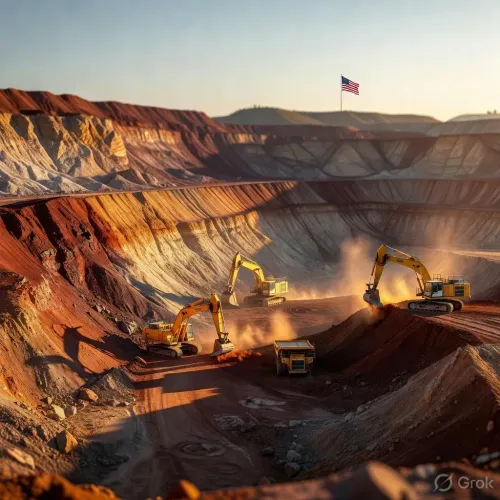
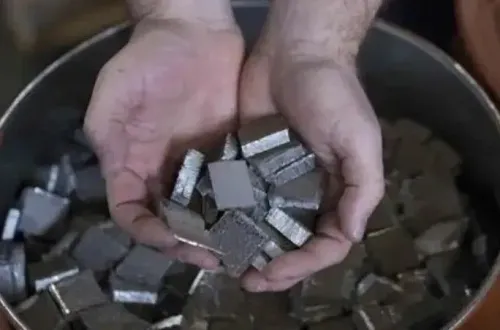
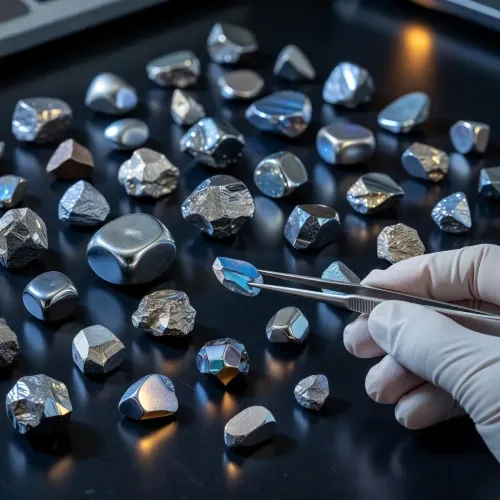
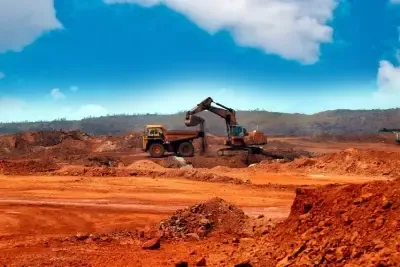
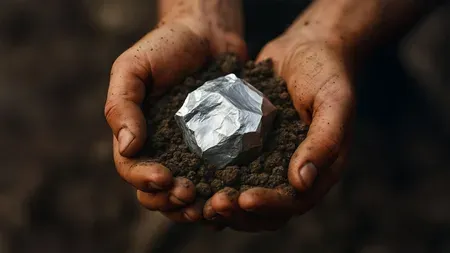
China's commanding position in the rare-earth industry stems not merely from large domestic reserves. Chinese firms have built dominant footholds across the processing, refining, and manufacturing stages that transform raw minerals into usable industrial components — activities requiring specialised expertise, heavy infrastructure, and significant environmental management capacity that Western economies have historically lacked.
Why Rare Earths Are a National Security Asset
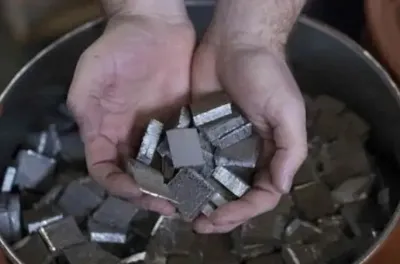
'The consequences of this dominance extend across numerous sectors. Permanent magnets produced from rare earth elements are essential for electric vehicles, wind turbines, robotics, advanced electronics and precision-guided weapons,' the report stated.
'The concentration of processing capacity within China, therefore, provides Beijing with influence not merely over commodity markets but over industries that are increasingly viewed as critical to national competitiveness,' it added.
This comes amid Washington's own escalating effort to restrict Chinese access to cutting-edge semiconductors and chipmaking equipment. As those restrictions tightened, Beijing reportedly recognised with greater clarity the strategic value of the supply chains it already controlled — and began leveraging them accordingly.
Diversification Efforts and Their Limits
The report also flagged a structural risk in Beijing's approach: excessive use of supply-chain dependence as a lever creates strong incentives for rivals to diversify away. The United States, Australia, Canada, and several European nations have all stepped up investments in domestic production and processing capabilities. Vietnam and Malaysia have also emerged as potential alternative nodes in portions of the rare-earth supply chain.
However, the report cautioned that reversing dependence on Chinese refining capacity will not be straightforward. While mining capacity can be expanded across multiple jurisdictions relatively quickly, building competitive refining and processing industries demands sustained capital investment, deep technical know-how, and robust environmental management frameworks — capabilities that most competitor nations currently lack at scale.
What Comes Next
The trajectory suggests a prolonged contest over critical mineral supply chains, with China holding structural advantages in the near-to-medium term even as alternative ecosystems slowly take shape. For technology-dependent economies, the race to reduce exposure to Chinese processing capacity has become as strategically urgent as any semiconductor or AI competition.
Point of View
Often at environmental costs that democratic governments found politically unacceptable. Export licensing is the visible tip; the deeper moat is the industrial infrastructure that no rival can replicate in a policy cycle or two. Washington's semiconductor restrictions may have accelerated Beijing's willingness to weaponise this leverage, creating a feedback loop neither side fully controls. The diversification bets on Vietnam, Malaysia, and domestic US processing are real but nascent — and the gap between 'announced investment' and 'operational refinery' is measured in years, not quarters.
NationPress
23 Sept 2026
Frequently Asked Questions
What is China's rare-earth export control strategy?
China is using export licensing, stricter shipment oversight, and magnet export limits to convert its dominance in rare-earth processing into long-term leverage over critical technologies including semiconductors, AI, EVs, and defence systems. The strategy is aimed at structural advantage, not short-term economic pressure on the US.
Why does China's rare-earth dominance matter beyond mining?
China's advantage lies in processing and refining, not just reserves. Chinese firms control the stages that turn raw ore into usable industrial inputs — a position that gives Beijing influence over entire industries, from electric vehicles and wind turbines to precision-guided weapons and advanced electronics.
Which countries are trying to reduce dependence on China for rare earths?
The United States, Australia, Canada, and several European nations have invested in expanding domestic production and processing. Vietnam and Malaysia have also emerged as potential alternative supply-chain nodes, though none yet matches China's refining scale.
How difficult is it to build rare-earth processing capacity outside China?
Very difficult, according to the report. While mining can be expanded across multiple countries relatively quickly, competitive refining requires sustained capital, specialised technical expertise, and environmental management capacity that most competitor nations currently lack at industrial scale.
How does China's rare-earth strategy connect to the US semiconductor restrictions?
As Washington moved to restrict Chinese access to advanced semiconductors and chipmaking equipment, Beijing reportedly recognised the strategic value of the supply chains it already controlled and began tightening oversight of rare-earth exports in response, creating a reciprocal escalation dynamic.